



- •Exchange tokens are closely tied to the exchange behind them, so user activity, liquidity, trading volume, and platform demand matter more than token perks alone.
- •The best exchange tokens usually come from active platforms where users can use them for fee discounts, VIP perks, launch access, staking, rewards, or gas fees.
- •Tokenomics still matter, but burns and supply cuts are stronger when the exchange has real users, strong trading volume, and steady ecosystem activity.
Exchange tokens are different from regular crypto assets because their value depends heavily on the exchange behind them. A token may offer fee discounts, staking rewards, launch access, VIP perks, burns, or gas utility, but those benefits matter more when the platform has active users, deep liquidity, and strong trading demand. That is why this list looks beyond tokenomics. It also considers exchange size, user activity, product depth, trading volume, and ecosystem use. In simple terms, a strong exchange gives its token more reasons to be used, held, and watched by traders in 2026.
Top 11 Exchange Tokens
Exchange tokens are strongest when they are backed by active platforms. A token may have fee discounts, staking rewards, burns, or launch access, but those benefits matter more when the exchange has real users, strong trading volume, and deep liquidity.
For this list, we ranked tokens by looking at both the exchange and the token. The main factors include platform activity, market depth, user demand, trading benefits, launch access, VIP perks, staking rewards, burn mechanisms, and ecosystem utility. This gives a clearer view of which exchange tokens are useful in practice, not just which ones look strong on paper. Here is a comparison of the top exchange tokens:
| Rank | Token | Exchange | Users | Spot Volume | Derivatives Volume | Best For |
|---|---|---|---|---|---|---|
| 1 | BNB | Binance | 317M+ | $5.5B+ | $26.2B+ | Largest exchange ecosystem |
| 2 | HYPE | Hyperliquid | 800K+ | $66.2M+ | $2.62B+ | Decentralized perpetual traders |
| 3 | BGB | Bitget | 8M+ | $805M+ | $3.93B+ | Active futures and copy traders |
| 4 | OKB | OKX | 50M+ | $1.02B+ | $11.45B+ | OKX and X Layer users |
| 5 | MNT | Bybit | 30M+ | $3.74B+ | $7.14B+ | Bybit traders and Mantle users |
| 6 | MX | MEXC | 6M+ | $732M+ | $13.5B+ | New listing access |
| 7 | KCS | KuCoin | 40M+ | $1.18B+ | $1.27B+ | Reward-focused holders |
| 8 | GT | Gate | 8M+ | $935M+ | $5.31B+ | Gate ecosystem users |
| 9 | WXT | WEEX | 6M+ | $1.25B+ | $6.6B+ | Futures traders |
| 10 | PT | Phemex | 5M+ | $757M+ | $1.19B+ | vePT users |
| 11 | BTSE | BTSE | 5M+ | $171M+ | $2.18B+ | BTSE platform users |
1. Binance Coin – BNB
BNB stays first because Binance gives it the strongest base of any exchange token. Its 317M+ users show how far the exchange reaches across retail and institutional markets, while $5.5B+ spot volume and $26.2B+ derivatives volume show heavy activity across normal buying and leveraged trading. That matters because BNB needs real platform usage, not just token perks, to stay relevant.
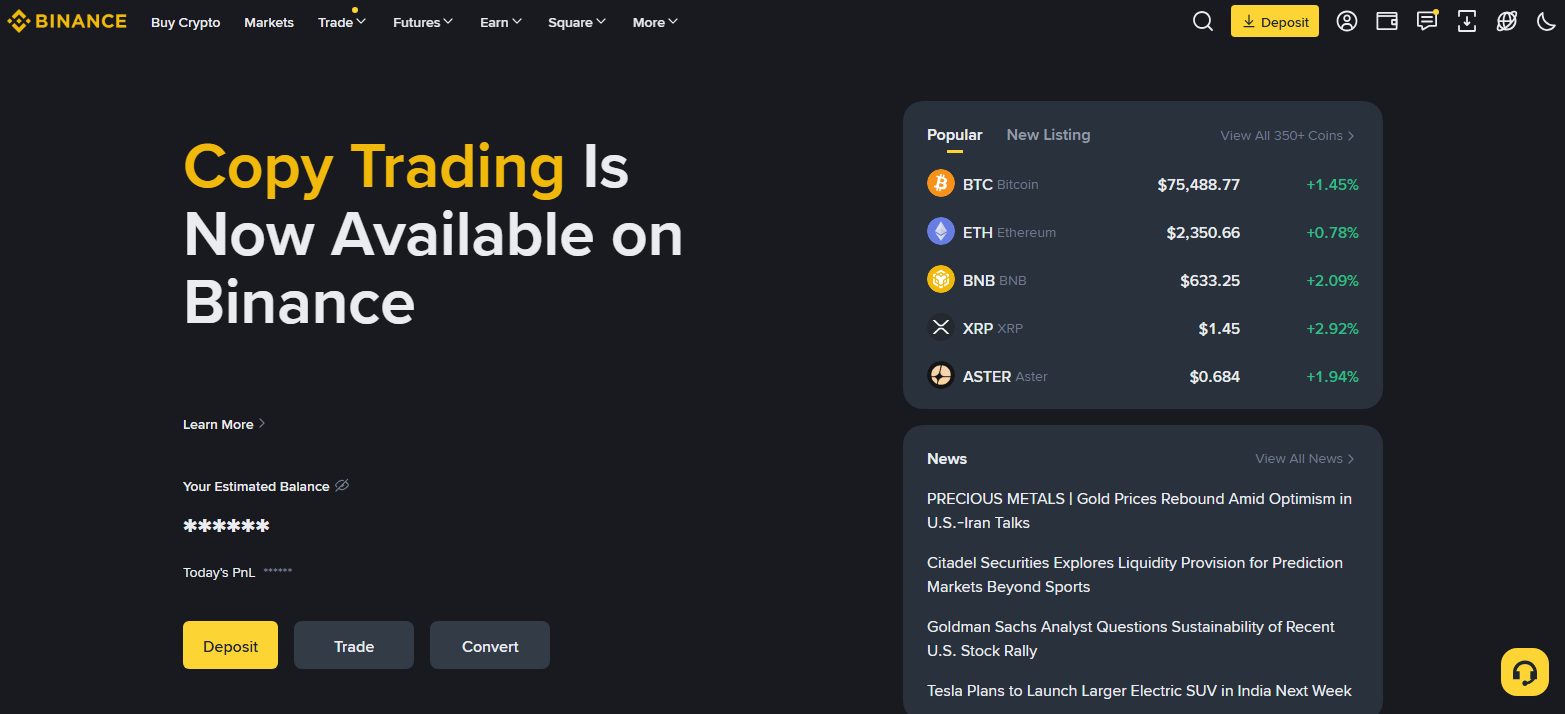
Binance gives it that through spot markets, futures, Launchpool, Earn products, payments, and BNB Chain activity. The token can lower fees, support launch campaigns, and pay gas across BNB Chain apps. Its burn model also keeps supply reduction part of the long-term case, with Binance targeting a cut from 200M to 100M BNB.
Still, BNB’s strongest point is demand across the Binance ecosystem. Few exchange tokens are used across trading, rewards, chain activity, and account benefits at this scale in 2026 today. This is why BNB sets the benchmark.
2. Hyperliquid – HYPE
HYPE ranks second because Hyperliquid proves that exchange-token value is not always about user count alone. The platform has 800K+ users, far smaller than major centralized exchanges, but its $2.62B+ derivatives volume tells a different story. Hyperliquid may not have mass-market reach yet, but the users it does have are active traders. That trading intensity is the main reason HYPE stands out.
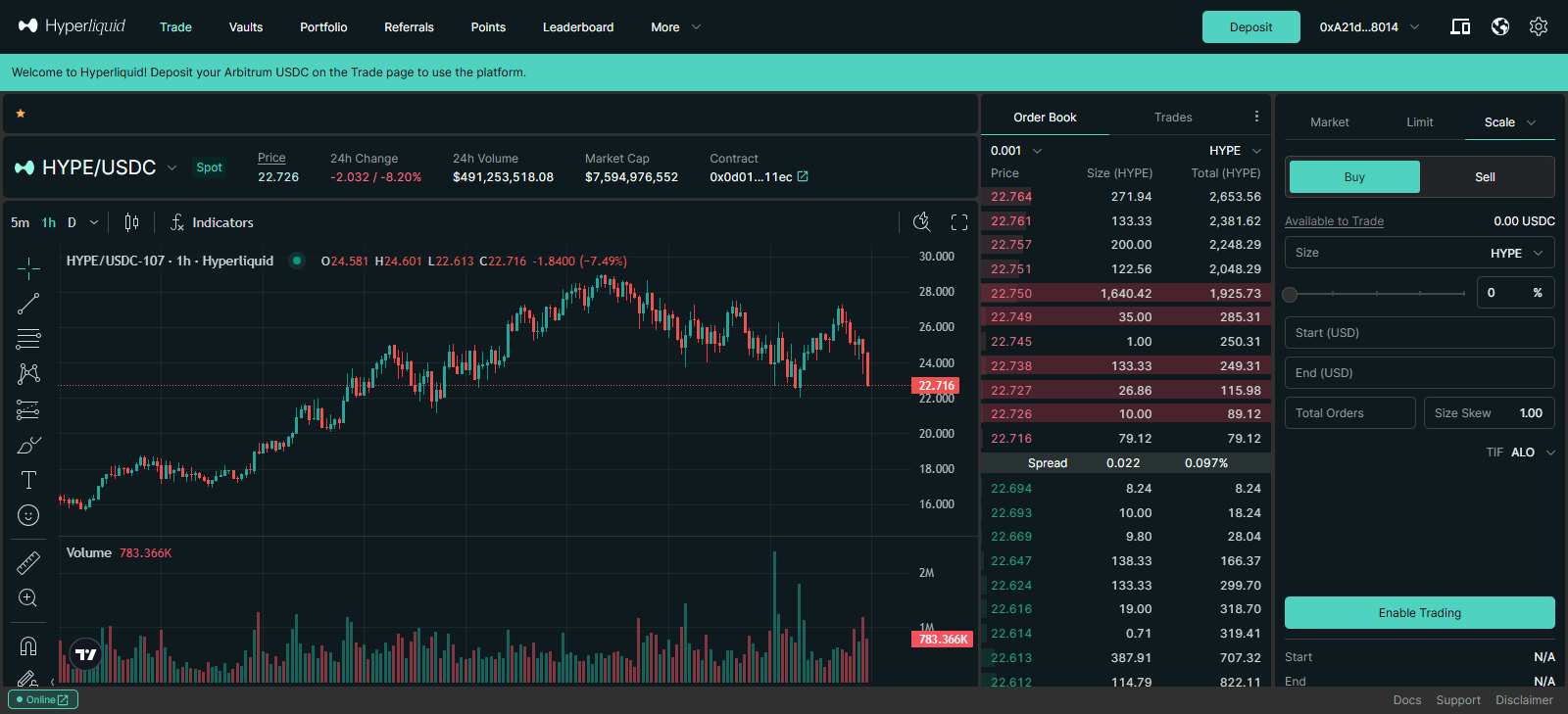
The platform is built around decentralized perpetuals, fast execution, on-chain transparency, and an experience that feels closer to a serious trading venue than a casual DeFi app. HYPE also gets more interesting as Hyperliquid adds protocol utility through upgrades like HIP-3, which can support new perpetual market creation.
This gives the token a stronger link to platform growth. HYPE ranks this high because its demand comes from real trading activity, not only rewards or branding, making it harder to ignore today.
3. Bitget Token – BGB
BGB ranks high because Bitget has built a strong identity around active futures traders and copy trading users. Its 8M+ users may look smaller than Binance or OKX, but the exchange still records $805M+ in spot volume and $3.93B+ in derivatives volume. That shows Bitget’s user base is not just large on paper. It is active, especially in trading products where BGB can matter more.
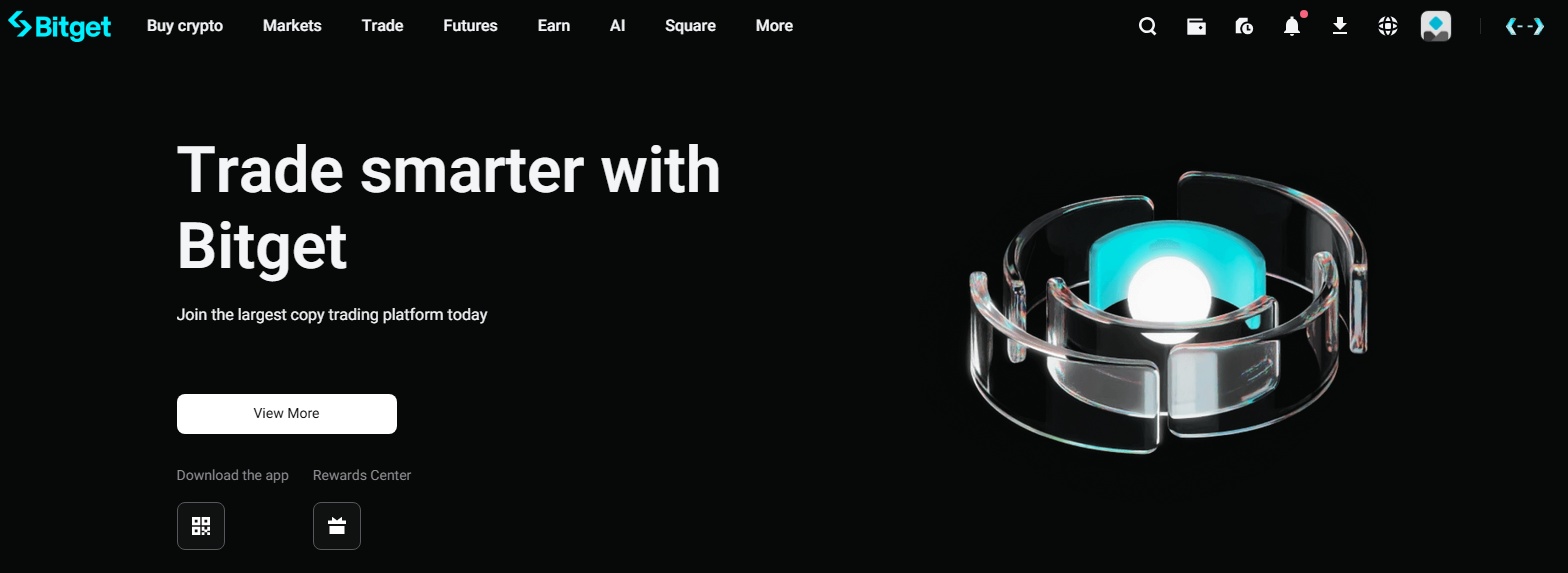
The token fits this environment through LaunchHub access, reward campaigns, VIP benefits, free monthly withdrawals, and higher profit share terms for eligible copy traders. These benefits are more useful when users already trade often on the platform. Bitget also improved BGB’s supply story after burning 800M tokens in late 2024 and continuing quarterly burns.
For BGB, the strongest case is the mix of Bitget’s trading growth, copy trading culture, and token benefits that match user behavior closely. This makes it grounded overall.
4. OKX Token – OKB
OKB has a strong base because OKX is not just a spot exchange. Its 50M+ users show global reach, while $1.02B+ spot volume and $11.45B+ derivatives volume show deep activity across different market types. That gives OKB a better foundation than tokens linked to smaller or quieter platforms. OKX has also pushed further into wallet tools, Web3 access, and X Layer, which gives OKB more relevance outside simple account benefits.
The token can support platform access, trading benefits, ecosystem use, and gas fees on X Layer. After OKX completed its major 2025 burn and fixed OKB’s supply at 21M tokens, the supply story became easier to understand. OKB now combines exchange demand, Web3 utility, and limited supply today clearly.
5. Bybit Token – MNT
MNT earns its place because Bybit gives it a real exchange connection, while Mantle gives it a separate on-chain role. Bybit’s 30M+ users show large reach, and its $3.74B+ spot volume points to strong market demand beyond futures. The $7.14B+ derivatives volume also matters because Bybit is still known for active traders. That gives MNT a platform audience before its network use is even considered.
For Bybit users, MNT can help with fee discounts, VIP status acceleration, and Launchpad activity. Mantle adds another layer through governance, network usage, and DeFi participation. This mix makes MNT stronger than tokens that depend only on exchange perks. It has both trading-driven demand and ecosystem-led utility in 2026.
6. MEXC Token – MX
MX works because MEXC’s audience behaves differently from users on many larger exchanges. MEXC has 6M+ users, but its $13.5B+ derivatives volume shows that this smaller base is highly active. The $732M+ spot volume also supports its reputation for altcoin access and frequent listings. That matters for MX because the token is tied to how MEXC users actually use the exchange.
They come for new markets, campaign rewards, Launchpool access, Kickstarter voting, airdrops, and trading fee benefits. The buyback and burn model adds a supply angle, but MX is mainly about MEXC’s listing culture and trader activity. It ranks well because its utility matches the exchange’s core user behavior.
7. KuCoin Token – KCS
KCS has a different appeal from the more futures-heavy exchange tokens above it. KuCoin’s 40M+ users give it a large global base, while $1.18B+ spot volume shows strong regular trading activity. Its $1.27B+ derivatives volume is smaller than Binance, OKX, Bybit, or MEXC, so KCS feels more like a reward and account-benefit token than a pure trader token. Eligible holders can receive daily KCS bonuses, which gives the token a direct reward angle. KCS also supports fee discounts, staking, Spotlight access, and campaign rewards.

KuCoin’s long-term burn target of reducing supply to 100M KCS supports the tokenomics, but the daily bonus model is what keeps it useful. This makes KCS more income-focused than most exchange tokens overall today.
8. Gate Token – GT
GT benefits from Gate’s long-running role as an altcoin-heavy exchange. Its 8M+ users may not match the largest platforms, but $935M+ spot volume and $5.31B+ derivatives volume show that traders are still active across its markets. This matters because Gate users often come for token selection, Startup access, and higher-risk altcoin opportunities.
GT fits that behavior through VIP perks, fee discounts, staking, governance, launch access, and Gate Layer gas fees. Its burn history supports the supply side, but the real strength is Gate’s active altcoin ecosystem. GT remains useful because it connects trading benefits, launches, and chain utility.
9. WEEX Token – WXT
WXT has a stronger case when WEEX’s trading activity is considered. WEEX has 6M+ users, but the more important figure is its $6.6B+ derivatives volume, which shows a clear futures-heavy audience. Its $1.25B+ spot volume also gives the platform more market depth. WXT fits this user base through fee discounts, WE-Launch access, airdrops, staking rewards, VIP perks, and loyalty benefits.

The 2025 burn reduced total supply from 10B to 6B WXT, improving the supply story. Even so, WXT’s main value comes from WEEX’s active trader base and practical exchange benefits today.
10. Phemex Token – PT
PT is smaller than the leading tokens, but it has a clear use case because Phemex has real activity. Its 5M+ users, $757M+ spot volume, and $1.19B+ derivatives volume show a modest but active trading base. PT supports fee discounts, staking, trading rewards, launch access, and governance through vePT.
Phemex also links PT to monthly buybacks and burns funded by MemeX and Pilot trading revenue, which gives the token a usage-based supply angle. The main limit is scale. PT is useful for Phemex users, but the exchange has less market weight than larger platforms. That keeps PT useful, but niche.
11. BTSE Token – BTSE
BTSE Token is the most niche pick, and the numbers show why. BTSE has 5M+ users, but its $171M+ spot volume is much lower than the other exchanges on this list. Its $2.18B+ derivatives volume is stronger, so the token’s case leans more toward active derivatives users than general spot traders.
BTSE can support VIP access, maker fee discounts, staking benefits, higher account limits, and platform perks. That gives it a clear role for loyal users. Still, BTSE has lower visibility, weaker spot depth, and less ecosystem reach, which is why it ranks last. Loyal traders may find value.
Bottom Line
Exchange tokens are not only about burns, discounts, or staking rewards. Their real strength comes from the exchange activity behind them. A token becomes more relevant when the platform has active users, strong trading volume, deep liquidity, and enough products to keep demand moving. That is why exchange strength matters as much as token utility. The same idea applies beyond exchanges as well. Readers looking for tokens with stronger on-chain utility can also explore our list of best DeFi tokens next.
FAQs
1. What are exchange tokens?
Exchange tokens are crypto assets issued by trading platforms. They are usually used for benefits such as lower trading fees, launchpad access, staking rewards, VIP perks, airdrops, or gas fees on exchange-backed networks.
2. Are exchange tokens only useful for trading fee discounts?
No. Fee discounts are common, but many exchange tokens now also support staking, launch events, rewards, burns, governance, VIP benefits, or on-chain network use.
3. Which exchange token is best for active traders?
The best exchange token for active traders usually depends on the platform they use most. A token is more useful when its benefits match the trader’s actual exchange activity.