


- •Algorand wallets are limited, so choosing by use case matters more than picking from a large list.
- •Pera is better for simple use, while Defly fits DeFi trading and active onchain activity.
- •Multi-chain wallets offer flexibility, but usually have weaker Algorand-specific support.
Blockchain networks can be confusing. You decide to use a dApp, figure out which network it runs on, and then run into the next problem, which wallet to use. With Algorand, that search can take longer since not many wallets fully support its features. Most Algorand wallets either go deep into the network or stay basic while supporting multiple chains. That tradeoff can make the choice unclear. In this breakdown of the best Algorand wallets, we go through top Algorand wallet options, how they compare, and where each one fits so you can choose with clarity.
How We Ranked These Wallets
We ranked these Algorand wallets based on how well they actually work within the Algorand ecosystem, not just on feature lists. The focus was on:
- Native support like ASA handling, governance, and staking
- dApp access and WalletConnect compatibility
- DeFi usability, including swaps and DEX access
- Security features like rekeying and Ledger support
- Ease of use for both beginners and active users
- Flexibility between Algorand-only and multi-chain setups
Best Algorand Wallets
Here are the best Algorand wallets based on how they perform across real use cases, from simple asset storage to active DeFi usage. These Algorand wallets vary in depth, with some built fully around the Algorand network, while others offer broader multi-chain support with more limited functionality.
| Wallet | Core Focus | Key Features | Best For |
|---|---|---|---|
| Pera Wallet | Full Algorand access | ASAs, NFTs, staking, governance, swaps | Beginners, holders |
| Defly Wallet | DeFi trading | Charts, multi-DEX swaps, limit orders | Traders, DeFi users |
| Guarda Wallet | Multi-chain management | ASAs, earn, loan, dApp browser | Multi-chain users |
| Kibisis Wallet | Basic storage | ASAs, NFT gallery, rekey | Simple users |
| Trust Wallet | Multi-chain wallet | ALGO support, dApp browser | Cross-chain users |
| Lute Wallet | Advanced setups | Ledger, multisig, testnet support | Advanced users |
1. Pera Wallet
Pera Wallet is often the starting point when people look into the best Algorand wallets, mainly because it gives direct access to the full Algorand ecosystem without adding complexity. It’s built specifically for Algorand, so things like ASA management, NFTs, staking, and governance are already integrated instead of relying on external tools.
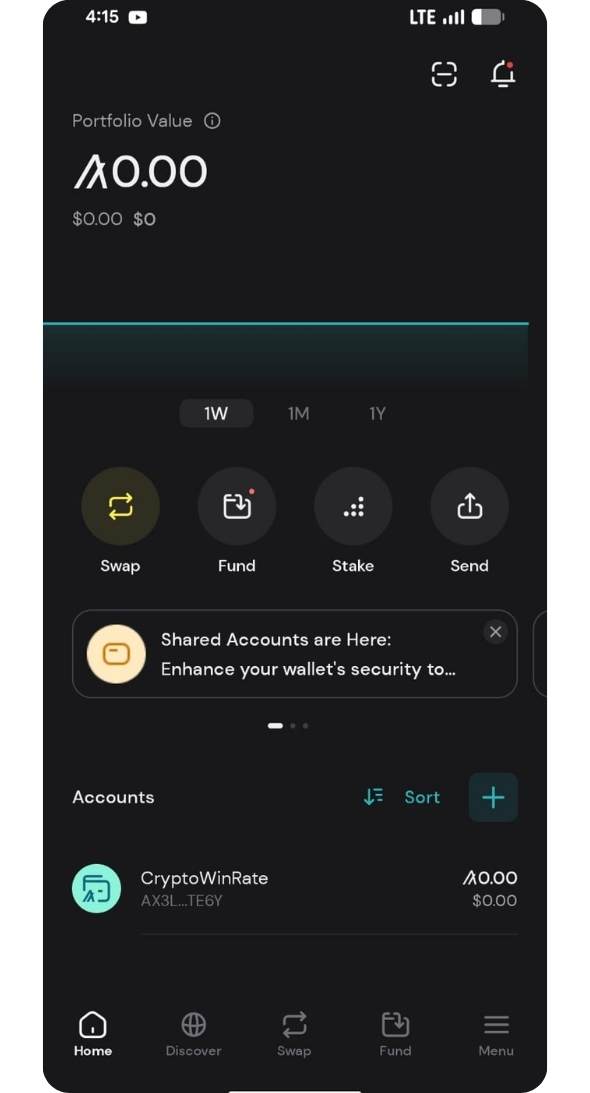
The experience stays simple, which makes it easier for new users, but it still covers enough for regular use. Among popular Algorand wallet options, Pera is usually the one that balances ease of use with complete network access, which is why most Pera Wallet review breakdowns place it near the top.
| 👍 Pera Wallet Pros | 👎 Pera Wallet Cons |
|---|---|
| ✅ Built specifically for Algorand wallets | ❌ Only supports Algorand network |
| ✅ Supports ALGO, ASAs, and NFTs | ❌ Mobile-only, no new web access |
| ✅ Direct access to staking and governance | ❌ Basic trading features |
| ✅ Built-in swap aggregator with no extra fees | |
| ✅ WalletConnect for dApp access | |
| ✅ Rekeying and Ledger support |
Verdict:
Pera sits at the center of most best Algorand wallets lists because it covers the full ecosystem without adding complexity. It gives you a clean way to manage assets, interact with dApps, and participate in governance, all in one place. If you’re looking for a complete Algorand wallet that handles most use cases without confusion, this is usually where people start.
2. Defly Wallet
Defly Wallet is usually where users move once basic storage is not enough and they want to actually use DeFi on Algorand. While many Algorand wallets focus on holding assets, Defly is built around trading and onchain activity. You get swaps, charts, limit orders, and portfolio tracking in one place, so you’re not jumping between tools.
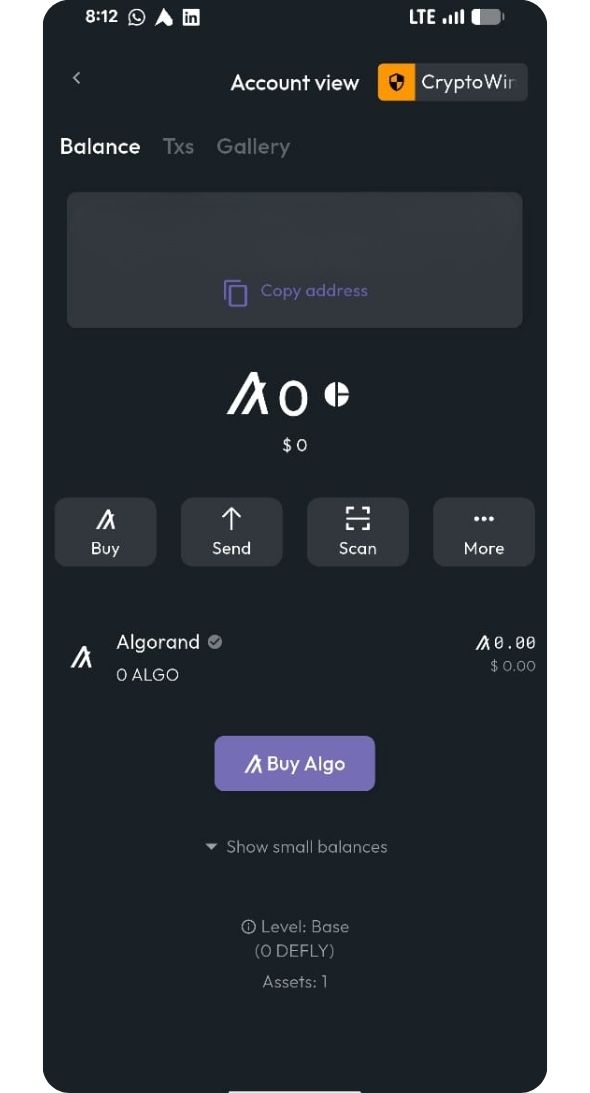
The interface can feel heavier at first, but it starts making sense once you’re actively using it. Among the best Algorand wallets for DeFi users, Defly is often the one people turn to when they want more control. If you go through any detailed Defly Wallet review, the focus usually stays on how much functionality it packs into a single mobile app.
| 👍 Defly Wallet Pros | 👎 Defly Wallet Cons |
|---|---|
| ✅ Multi-DEX swap routing inside the wallet | ❌ Only supports Algorand network |
| ✅ Built-in charts and market tracking | ❌ Mobile-only, no desktop version |
| ✅ Supports onchain limit orders | ❌ Can feel complex for beginners |
| ✅ Strong dApp integration with WalletConnect | |
| ✅ Rekey and Ledger support |
Verdict:
Defly fits a different role compared to most Algorand wallet options. It is less about simple storage and more about execution. If you are actively trading or exploring DeFi, it gives you more control without switching between apps. For basic use, it might feel like too much, but for deeper usage, it makes sense.
3. Guarda Wallet
Guarda Wallet is usually considered when you want flexibility across multiple networks instead of sticking to just one. Unlike wallets that focus only on Algorand, Guarda works as a multi-chain option available on web, desktop, and mobile.
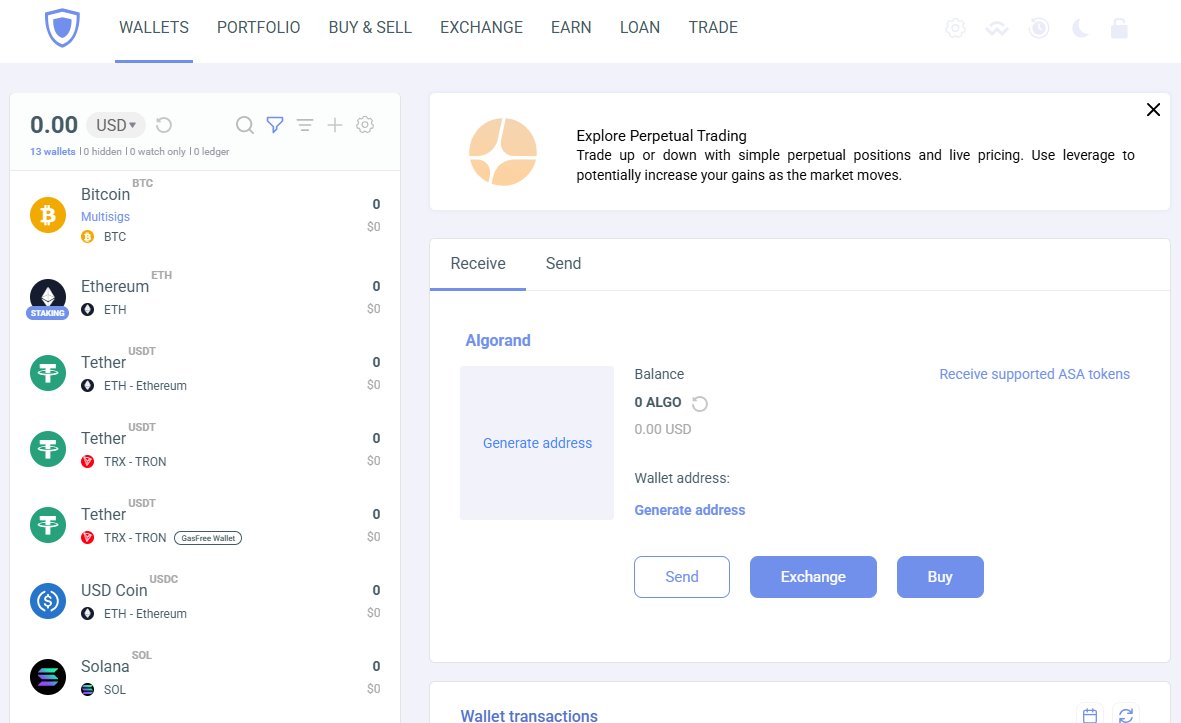
It supports ALGO along with ASAs, so you’re not limited to basic token storage. You also get extra tools like earn, loan, trade, and a built-in dApp browser, all in one place. It works well if you’re managing assets across different chains and want everything accessible from a single wallet.
| 👍 Guarda Wallet Pros | 👎 Guarda Wallet Cons |
|---|---|
| ✅ Multi-chain support across platforms | ❌ No native Algorand trading tools |
| ✅ Supports ALGO and ASAs | ❌ Limited Algorand staking support |
| ✅ Web, desktop, and mobile access | |
| ✅ Built-in earn, loan, and dApp tools |
Verdict:
Guarda works well if you want one wallet for multiple networks and basic asset management. For deeper Algorand use, it can feel limited compared to more focused options.
4. Kibisis Wallet
Kibisis Wallet is a simpler option if your focus is just storing assets without getting into deeper ecosystem activity. It supports both Algorand and Voi networks, along with ASA storage and an NFT gallery for basic asset management.
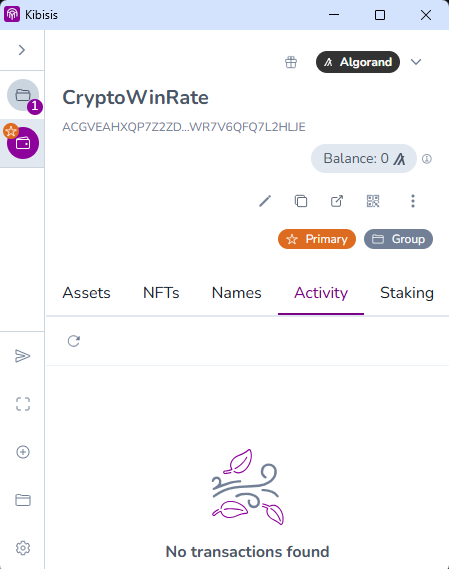
You also get staking access, but it mainly shows staking contracts rather than offering native participation like some other wallets. Rekey support is included, which helps with account security. It works fine for holding assets, but it’s not built for exploring dApps or active usage.
| 👍 Kibisis Wallet Pros | 👎 Kibisis Wallet Cons |
|---|---|
| ✅ Supports Algorand and Voi | ❌ No dApp browser |
| ✅ ASA storage and NFT gallery | ❌ Limited staking experience |
| ✅ Rekey support | ❌ Not built for DeFi usage |
| ✅ Staking contract visibility |
Verdict:
Works fine for storing assets and basic use. Not suitable if you plan to explore dApps or DeFi.
5. Trust Wallet
Trust Wallet is usually picked by users who want one wallet for multiple networks instead of focusing on a single ecosystem. It does support Algorand, but only for the ALGO token, so you won’t be able to manage other Algorand assets like ASAs.
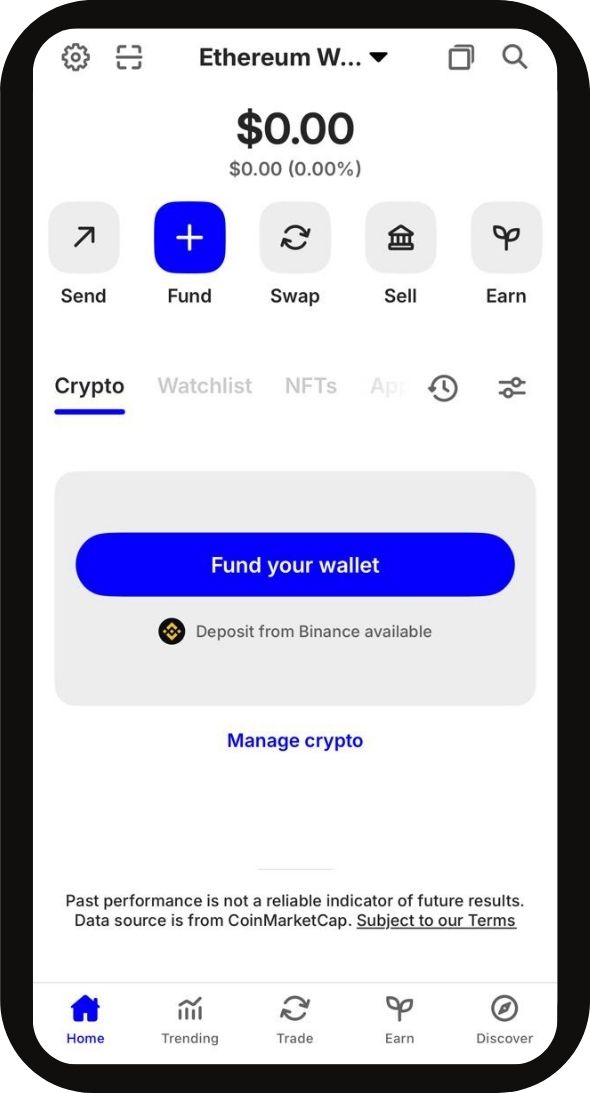
You still get access to a dApp browser, which can be used for staking and interacting with supported dApps. For users already managing assets across chains, it keeps everything in one place without needing separate wallets.
| 👍 Trust Wallet Pros | 👎 Trust Wallet Cons |
|---|---|
| ✅ Supports multiple networks | ❌ Only supports ALGO on Algorand |
| ✅ Simple and familiar interface | ❌ No ASA support |
| ✅ Built-in dApp browser | ❌ Limited Algorand functionality |
| ✅ Easy asset management across chains |
Verdict:
Works well for multi-chain use and basic ALGO storage. Not ideal if you want full Algorand support.
6. Lute Wallet
Lute Wallet is a web-based Algorand wallet built for users who want more control over account types and network environments. It supports ASAs and works with Ledger, so you can keep assets in cold storage while still managing them through the interface.
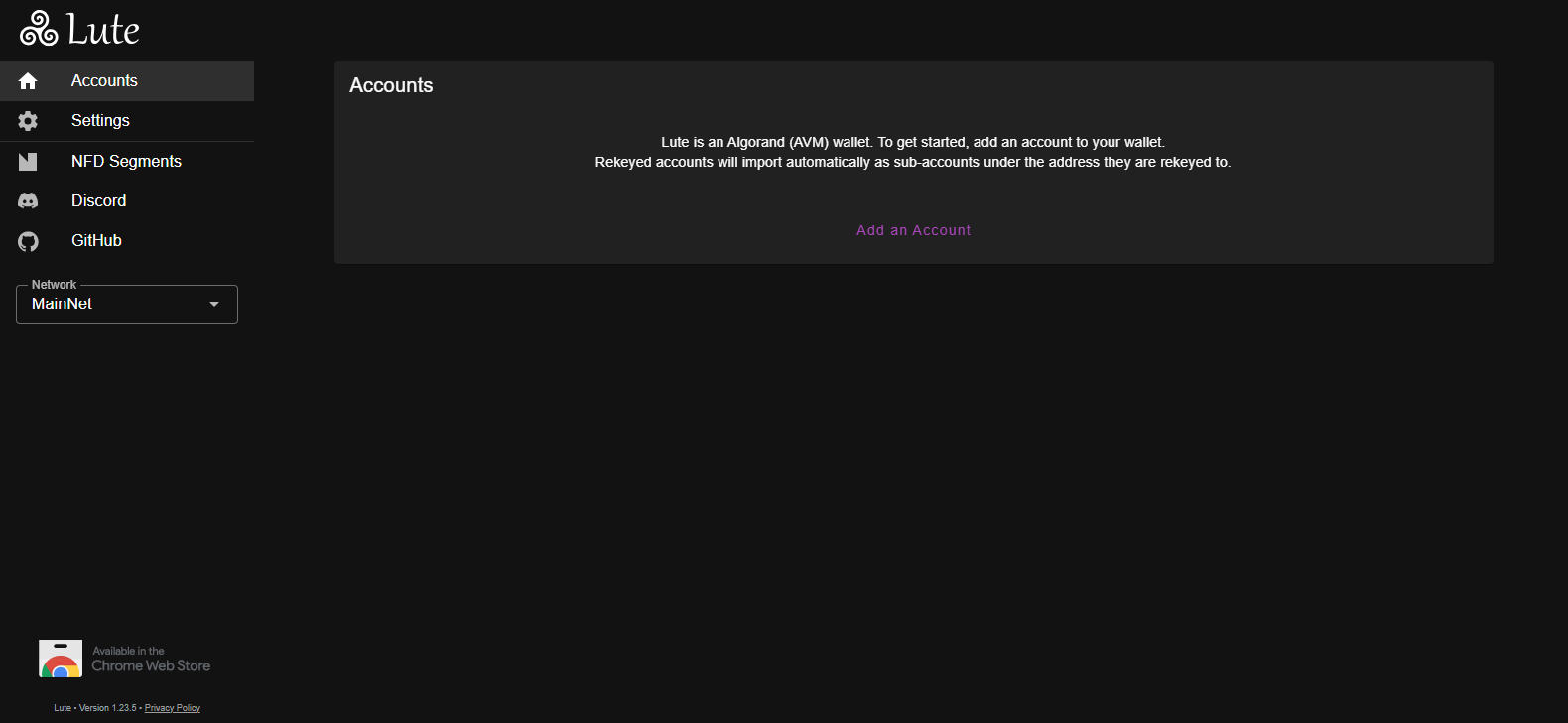
You can create legacy 25-word accounts, HD 24-word accounts, and even multisig setups for ARC-55 tokens. It also supports multiple environments like mainnet, testnet, and localnet, which makes it useful for testing and advanced setups.
| 👍 Lute Wallet Pros | 👎 Lute Wallet Cons |
|---|---|
| ✅ Supports ASAs and multiple account types | ❌ Web-only, no mobile app |
| ✅ Ledger integration for cold storage | ❌ No rekey support |
| ✅ Multisig support for ARC-55 | ❌ Not beginner-friendly |
| ✅ Works across multiple network environments |
Verdict:
Good for advanced setups and testing different environments. Not ideal for everyday or beginner use.
Types of Algorand Wallets
Before choosing, it helps to understand how Algorand wallets are structured, because not all of them offer the same level of access or features.
Full Native Wallets
These are built specifically for Algorand and give full access to the ecosystem. You can manage ASAs, NFTs, staking, governance, and connect to dApps easily.
Limited Native Wallets
These still support Algorand, but with fewer tools. You can store assets and sometimes stake, but deeper features like DeFi or advanced integrations are usually missing.
Multi-Chain Wallets
These support multiple blockchains in one place. They are useful for managing assets across networks, but Algorand support is often basic compared to native wallets.
Which Algorand Wallet Should You Choose?
The right choice depends on how you plan to use the ecosystem. If you’re holding assets, managing NFTs, or taking part in governance, a native wallet like Pera usually feels easier to work with. For users focused on trading or DeFi, wallets like Defly make more sense since they bring charts, swaps, and execution tools into one place.
If you manage assets across multiple chains, a multi-chain wallet like Trust or Guarda can be more practical, even if Algorand features are limited. In most cases, users end up using more than one wallet to cover different needs.
Final Thoughts
If you’ve gone through different Algorand wallets, you’ve probably noticed the options are still limited. It’s not the most crowded ecosystem yet, but interest is picking up as Algorand gets more attention for things like its quantum-resistant approach and consistent uptime. That’s also why choosing between these Algorand wallets comes down more to use case than variety.
If you decide to move forward with Algorand, picking the right wallet is just one part. You’ll also need to bridge to Algorand and fund your wallet before doing anything on-chain, whether that’s holding, staking, or using dApps, so make sure you’re set up with both before getting started.
FAQs
1. What is the best Algorand wallet?
It depends on your use case. Pera Wallet is usually preferred for simple use and governance, while Defly is better for DeFi and trading.
2. Can I store all Algorand assets in any wallet?
No, not every wallet supports all ASAs. Some wallets only support ALGO, while others allow full asset management including NFTs.
3. Are Algorand wallets multi-chain?
Most native wallets are Algorand-only. Multi-chain wallets like Trust Wallet and Guarda support multiple networks but may have limited Algorand features.
4. Do Algorand wallets support staking?
Yes, but it depends on the wallet. Some offer direct governance and staking access, while others only show staking contracts or require dApps.
5. Do I need to bridge funds to use Algorand wallets?
Yes, you’ll need to bridge to Algorand or transfer ALGO from an exchange to fund your wallet before using dApps or staking.