


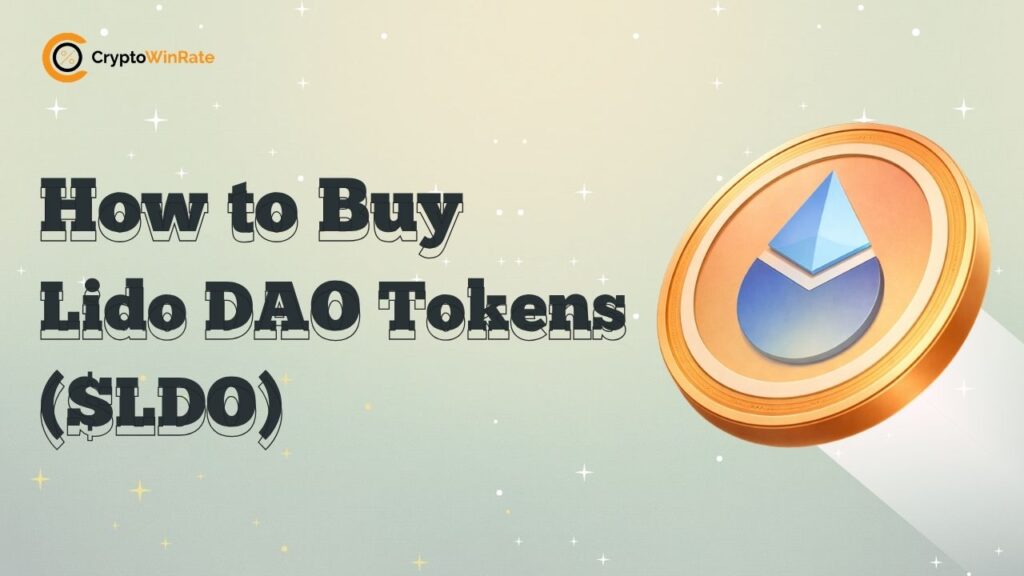
- •LDO is a governance token, giving holders voting power over Lido’s staking protocol decisions.
- •Lido lets users stake ETH without 32 ETH minimum while receiving liquid stETH for DeFi use.
- •You can buy LDO on exchanges like MEXC with low fees and transfer it to a Web3 wallet.
Running one of the largest liquid staking protocols in crypto, primarily on Ethereum, Lido has maintained a strong position in the liquid staking sector, accounting for roughly 20–25% of all staked ETH on the network. LDO is the governance token of Lido DAO, giving holders voting rights while also tying into the protocol’s revenue model, where a 10% fee is applied to staking rewards. This guide focuses on Lido Dao token and how to buy LDO, walking through the exact steps interested individuals can follow to get started.

Where to Buy Lido DAO
LDO is available on a range of centralized and decentralized exchanges, giving buyers flexibility in how they enter the market. Some platforms are better suited for low-cost spot purchases, where trading fees are minimal, while others focus on deeper liquidity, which can help with smoother execution and tighter spreads.
Exchange requirements also differ depending on the platform. Some require full KYC verification before trading, while others still allow limited access with fewer restrictions, which can be useful for users who want quicker onboarding. Payment options, supported fiat currencies, and regional availability can also play a role in choosing the right platform.
Because of this, there is no single best option for everyone. The choice usually depends on what matters more to you, whether that is fees, access, or ease of use.
How to Buy $LDO on MEXC
Among the exchanges that list LDO, MEXC stands out for users who want a straightforward buying experience with minimal trading costs. The platform is known for offering some of the lowest fees in the market, which can help reduce the overall cost when entering a position, especially for frequent trades.
Beyond spot trading, MEXC also supports LDOUSDT perpetual contracts with up to 200x leverage, giving traders access to more advanced strategies. In certain cases, these contracts are available with zero trading fees, which adds further cost efficiency for active users. The platform also provides additional incentives for new users. By signing up with a MEXC referral code, users can unlock bonuses that add initial value when getting started. Here is how you can buy LDO on MEXC:
Step 1: Head over to the MEXC platform. From the top menu, hover over “Spot” and click on Spot trading.
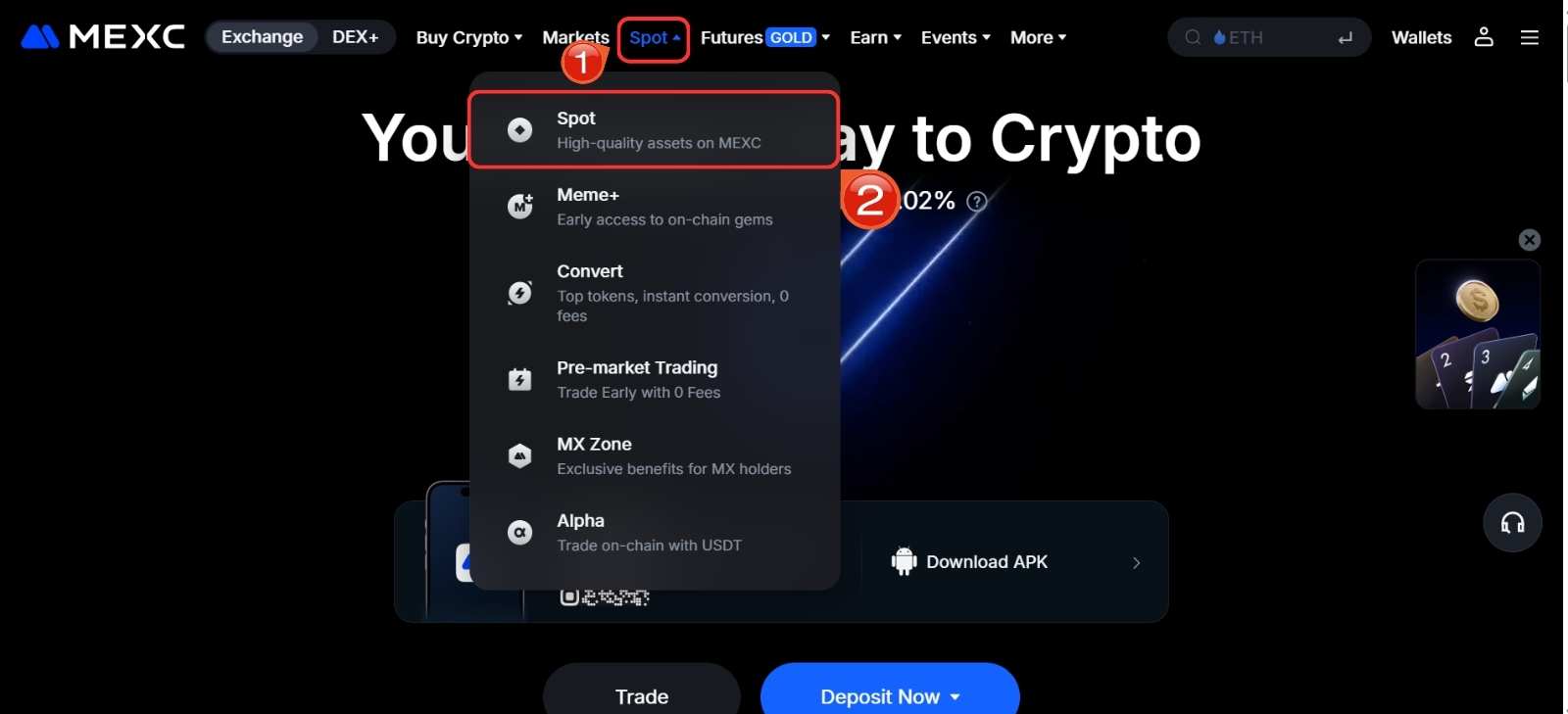
Step 2: Use the search bar in the market section to find the LDO/USDT trading pair and select it.
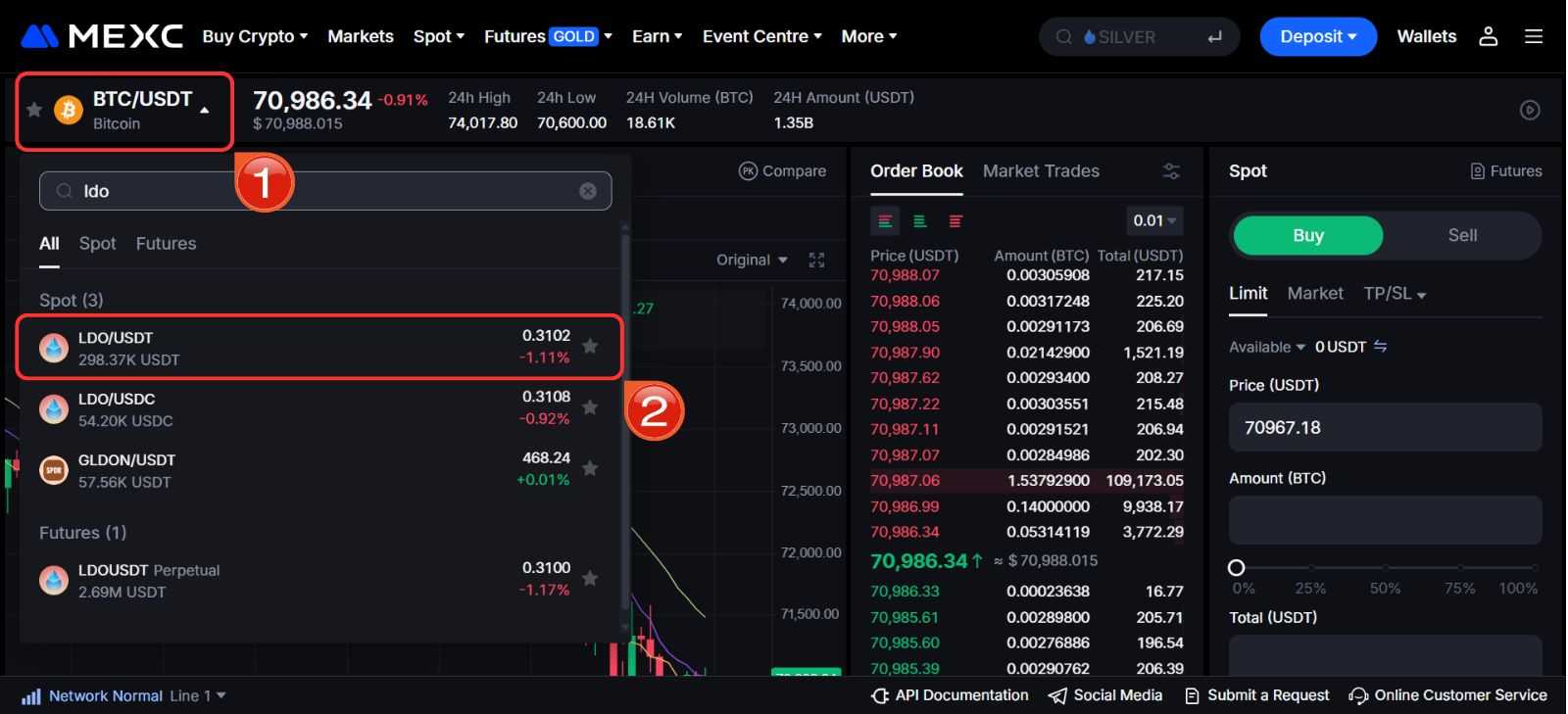
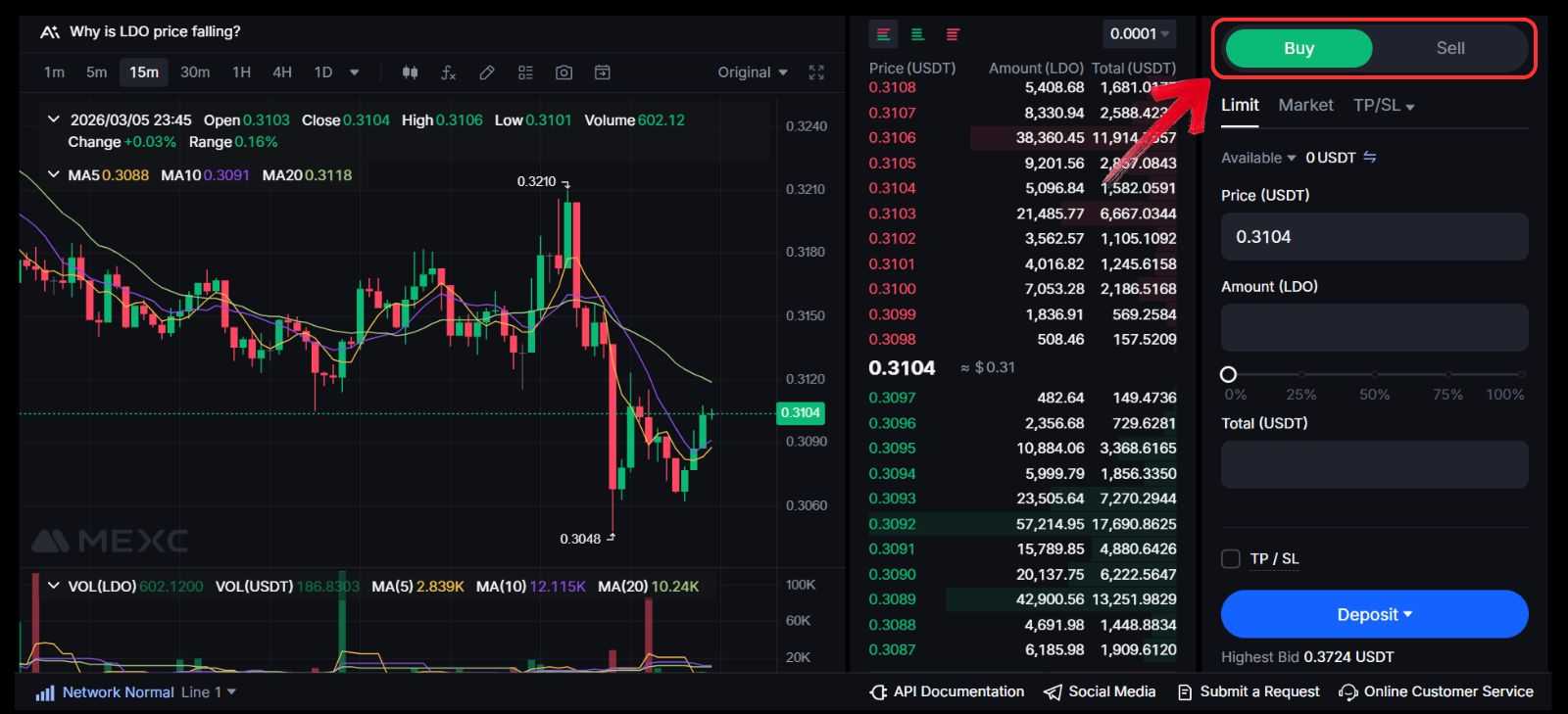
Step 3: Once the trading screen loads, locate the Buy/Sell panel on the right side. Choose between a Market or a Limit order.
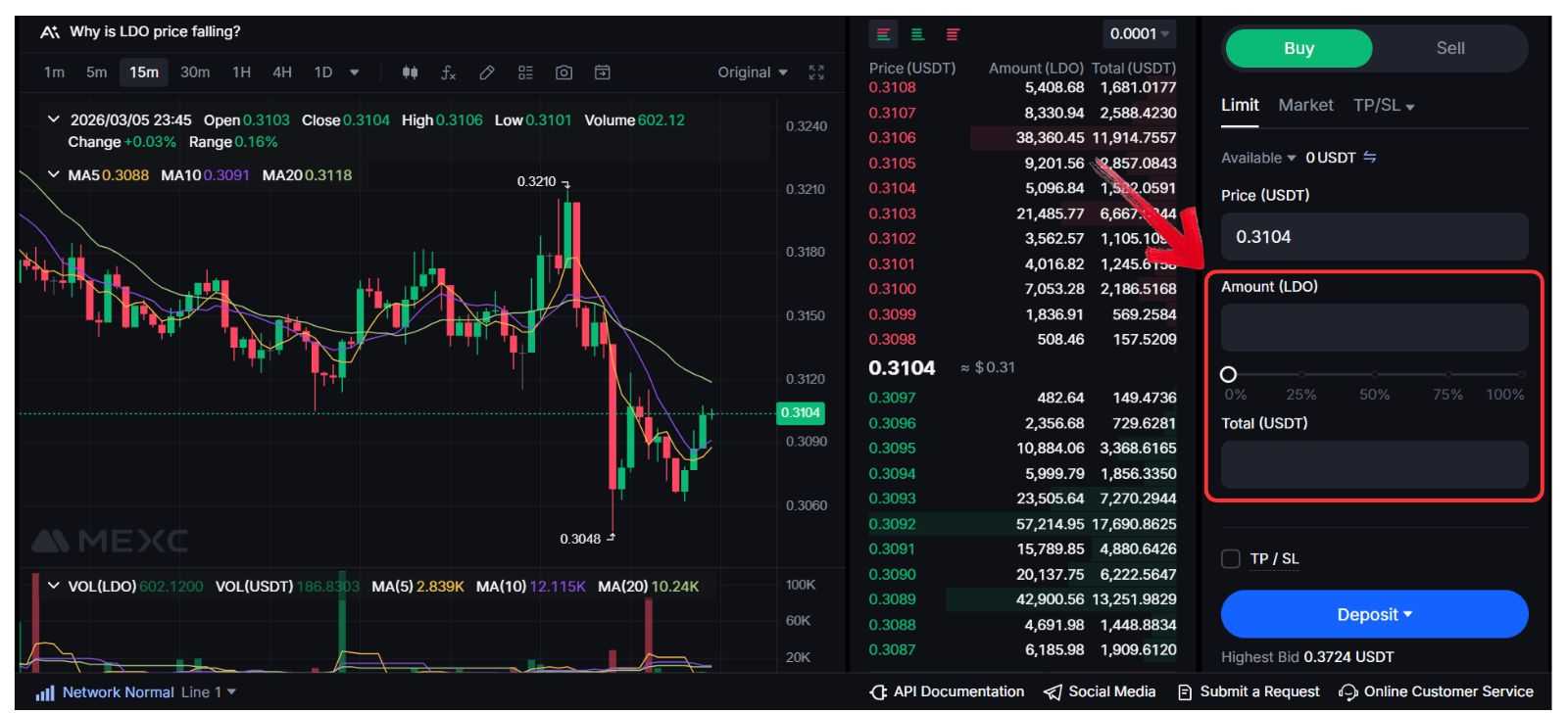
Step 4: Enter how much LDO you want to purchase. You can type the amount manually, input a USDT value, or use the slider to pick a portion of your balance.
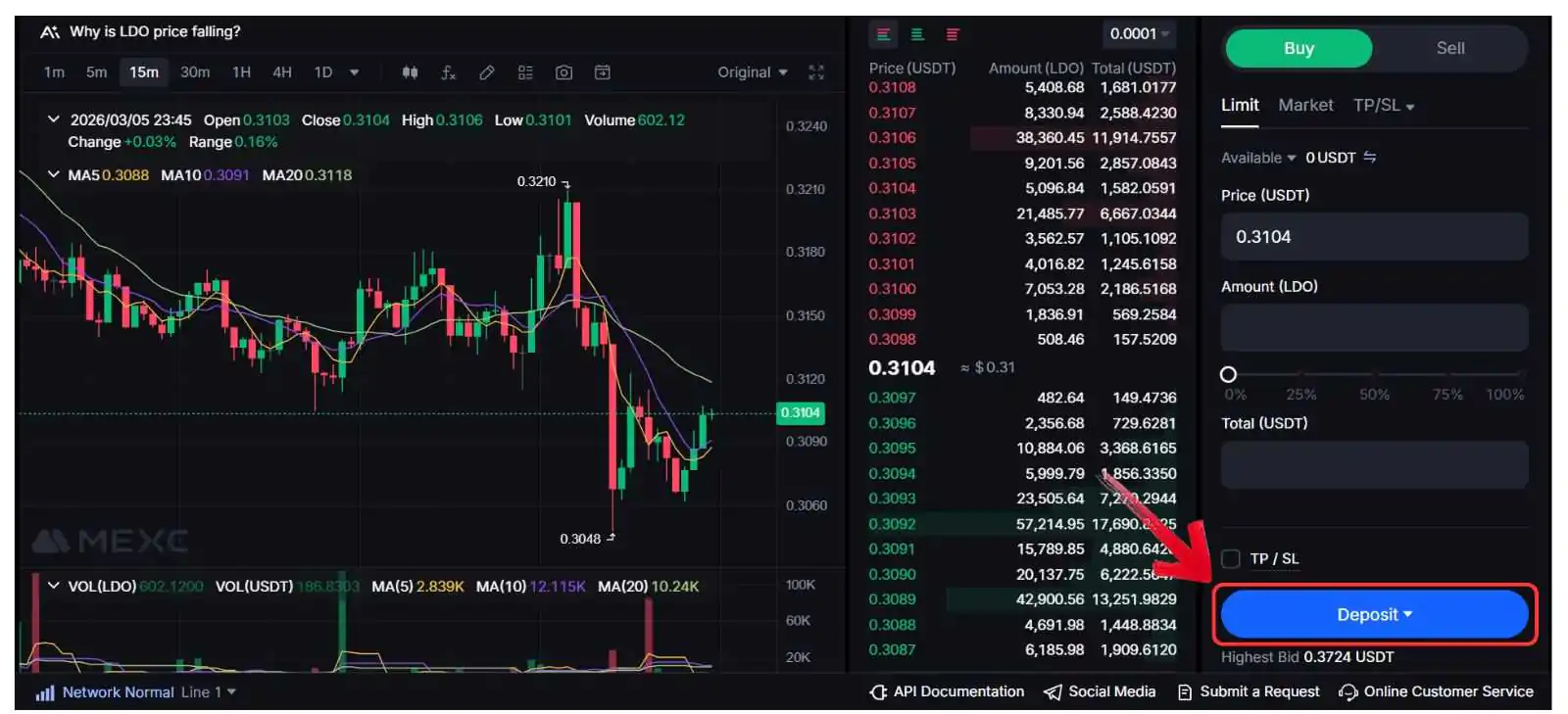
Step 5: Double-check the details, then click “Buy LDO” to place your order.
Fees When Buying Lido DAO on MEXC
MEXC charges a standard 0.05% trading fee for both maker and taker orders when buying LDO on the spot market. This means a small portion is deducted from each trade. Users who hold MX, the exchange’s native token, can get up to 50% discounts on trading fees, depending on their account level.
How to Transfer $LDO to a Web3 Wallet
Buying LDO on a centralized exchange like MEXC keeps things simple. You can purchase and hold your tokens directly on the platform without dealing with wallets or on-chain interactions, which works well if your goal is just to hold.
If you want to participate in the Lido DAO, you will need to move your LDO to a Web3 wallet. Since LDO is an Ethereum-based token, your wallet must support ERC-20 assets. Trust Wallet is a practical option for most users, allowing you to store LDO and interact with governance platforms.
Here is how you can transfer LDO to a Trust wallet:
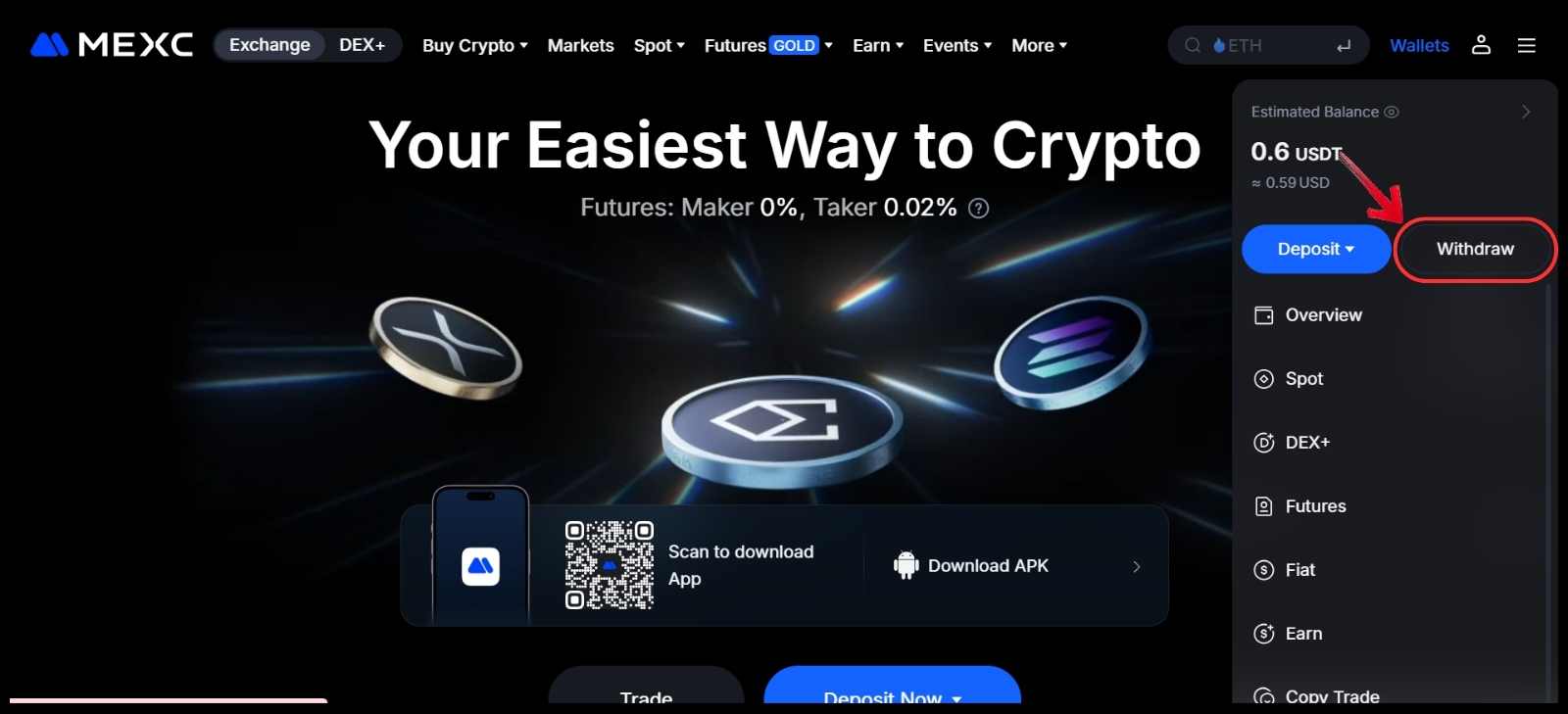
Step 1: Hover over the Wallets tab and click Withdraw from the dropdown menu.
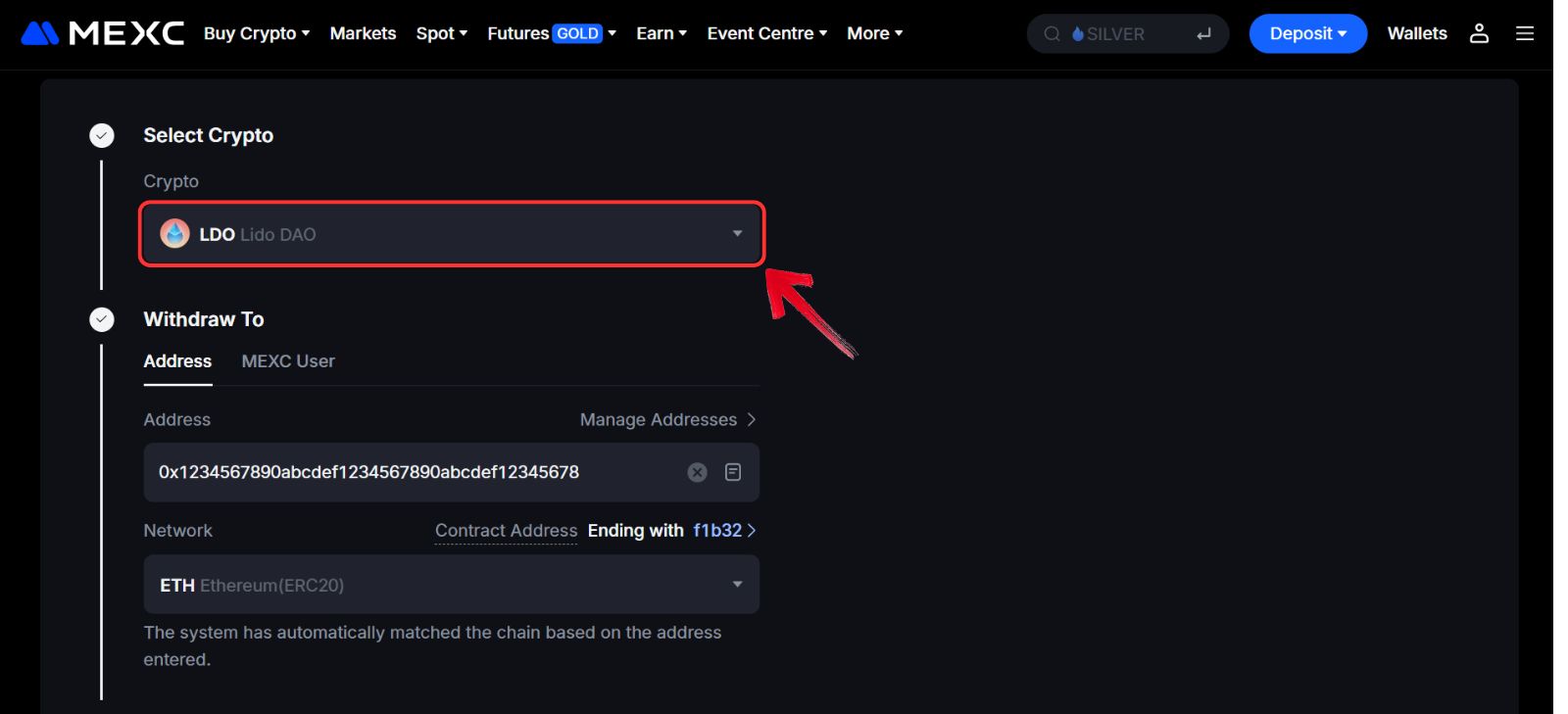
Step 2: In the Crypto field, search for LDO and select it from the list.
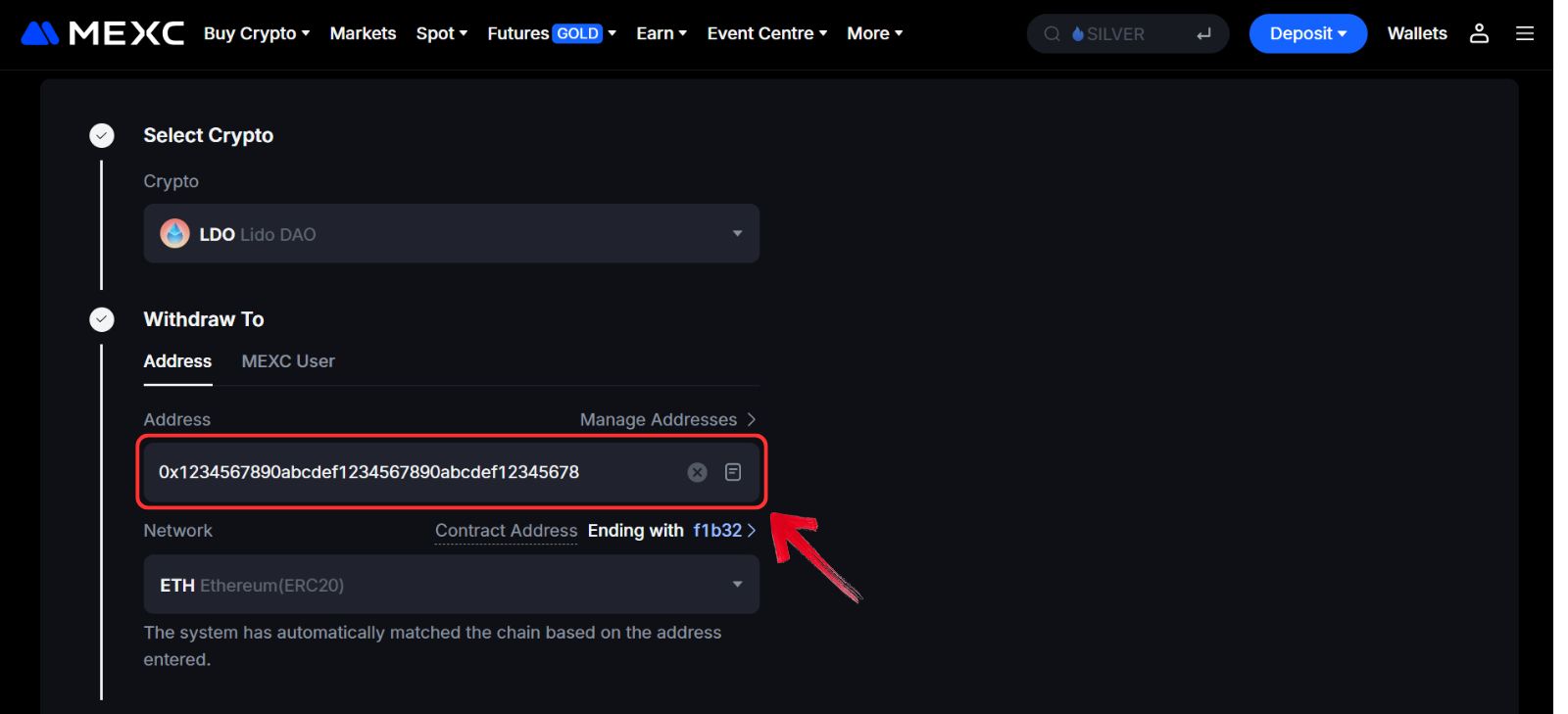
Step 3: Open your Ethereum wallet, copy your LDO receive address, and paste it into the Withdraw To address field on the exchange.
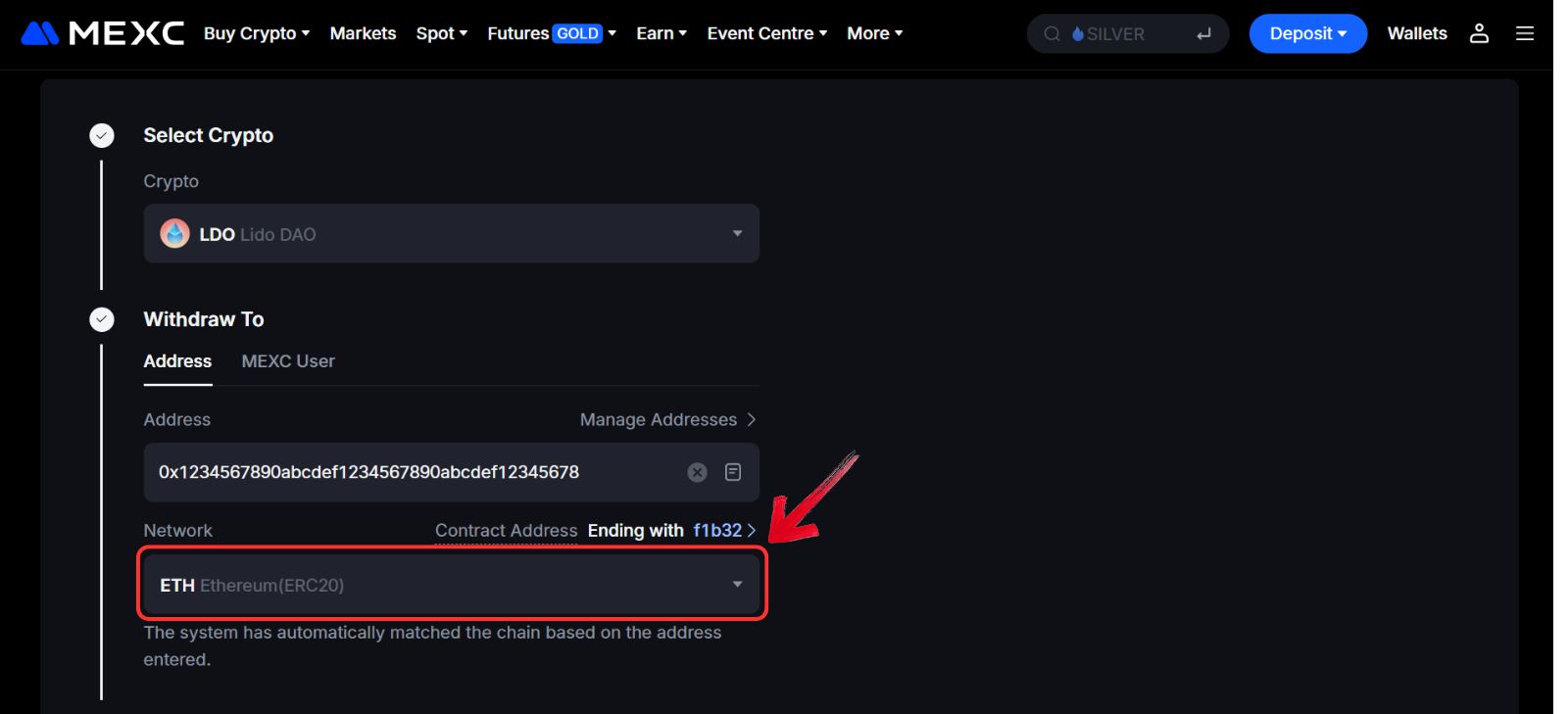
Step 4: Choose the Ethereum network as the withdrawal network.
Step 5: Enter the amount of LDO you want to transfer.
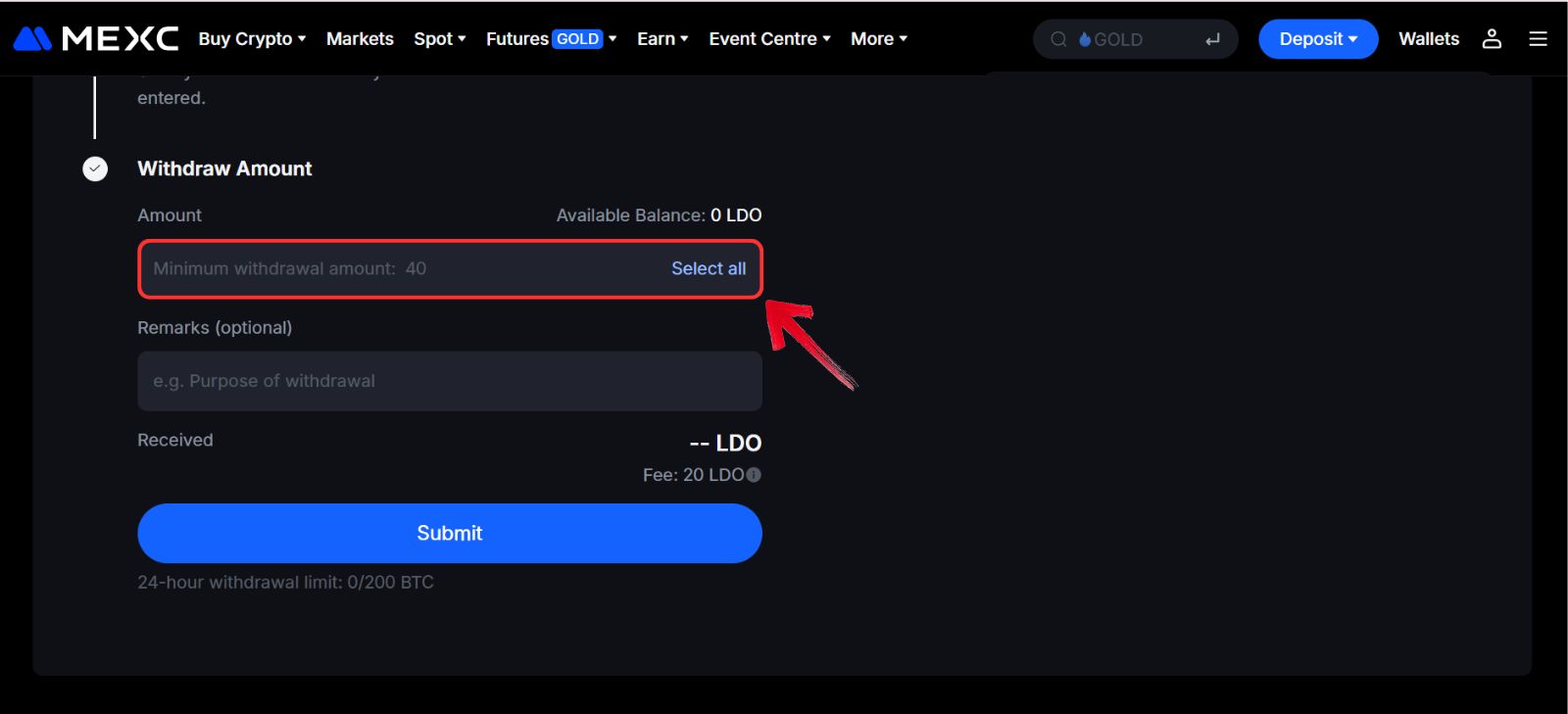
Step 6: After checking all details, click “Submit” to complete the withdrawal.
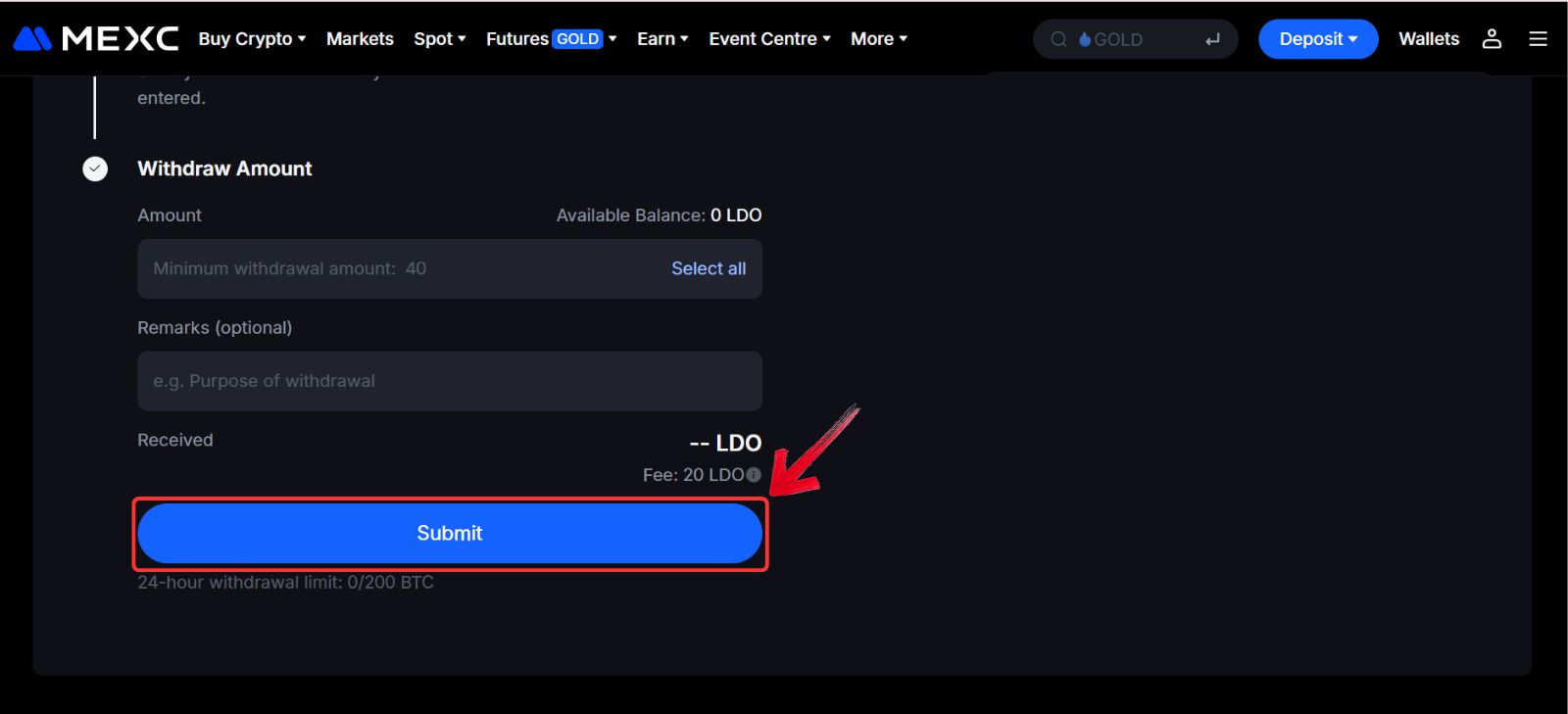
You can track the status of your withdrawal using the TXID provided by MEXC. Once submitted, the transaction can be monitored on Etherscan.
Lido DAO Explained
LDO is the governance token of Lido DAO, which runs Lido Finance, the largest liquid staking protocol on Ethereum. Instead of locking 32 ETH or running a validator, users can stake any amount through Lido and receive stETH, a liquid token that continues earning rewards while being usable across DeFi.
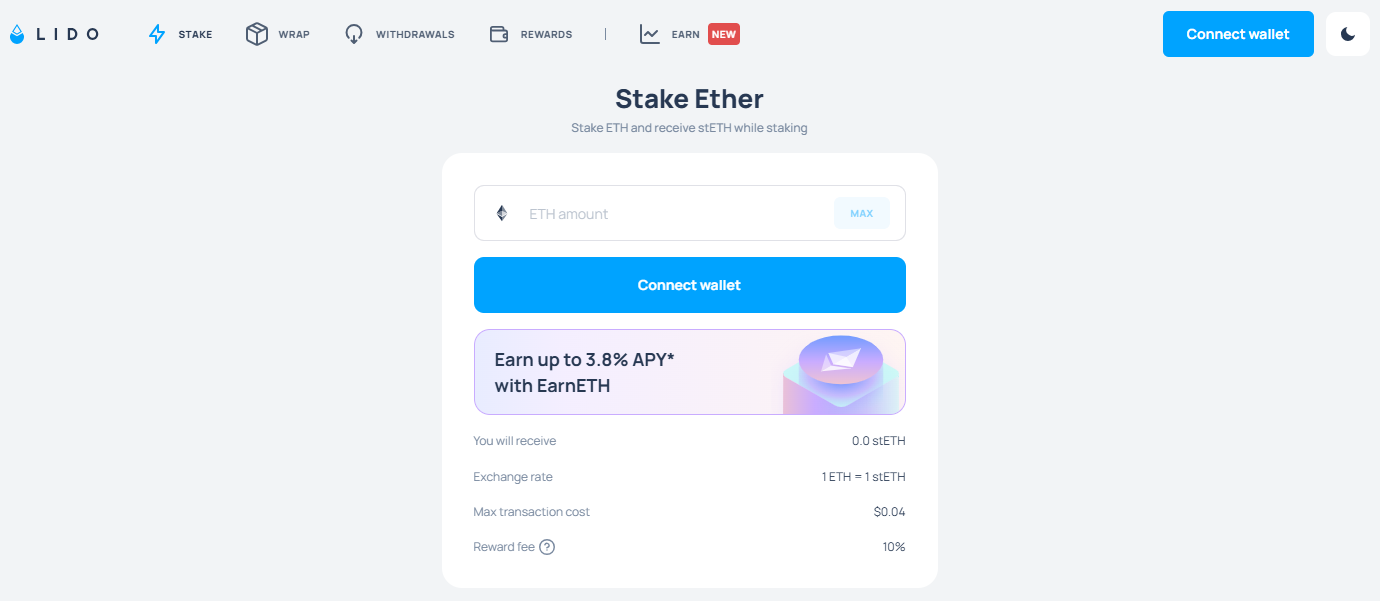
For LDO holders, the value lies in governance. You can vote on protocol fees, upgrades, node operators, and treasury decisions that control billions in TVL. Lido takes a 10% cut from staking rewards, but LDO itself does not generate yield. Its relevance comes from influence over one of Ethereum’s core staking infrastructures.
Bottom Line
Lido remains a core part of Ethereum’s staking ecosystem, and LDO reflects that role. It is not designed for passive yield, but for governance over a protocol that manages a large share of staked ETH and significant TVL. If your focus is on participating in how DeFi protocols evolve, LDO gives that exposure. Its value still depends on staking demand, ETH conditions, and how the DAO improves token utility over time. If you are exploring similar opportunities, you can also look into other DeFi tokens gaining traction across staking, lending, and on-chain yield strategies.
FAQs
1. Does Lido DAO (LDO) generate yield?
LDO does not generate yield directly. It is a governance token used for voting on protocol decisions within Lido DAO.
2. What is stETH in Lido?
stETH is a liquid token you receive after staking ETH on Lido. It represents your staked ETH and earns rewards automatically.
3. Is Lido safe to use?
Lido is widely used and audited, but it still carries smart contract, validator, and market risks like any DeFi protocol.
4. Does Lido require 32 ETH to stake?
No, Lido removes the 32 ETH requirement. Users can stake any amount of ETH and still earn staking rewards.
5. Can LDO token reach $1?
With a current market cap of around $282M+ and price near $0.33, reaching $1 would push valuation close to $850M, assuming supply stays stable. This would require stronger demand, improved token utility, and continued growth of Lido’s staking dominance.
6. Is LDO a good investment?
LDO is tied to the growth of Lido and liquid staking. Its value depends on protocol usage, governance relevance, and overall DeFi conditions.