


- •FLR can be bought on exchanges like MEXC with low fees and flexible trading options.
- •To use Flare features, transfer FLR to a Web3 wallet and connect to its ecosystem.
- •Flare enables assets like XRP to be used in DeFi through FAssets for yield opportunities.
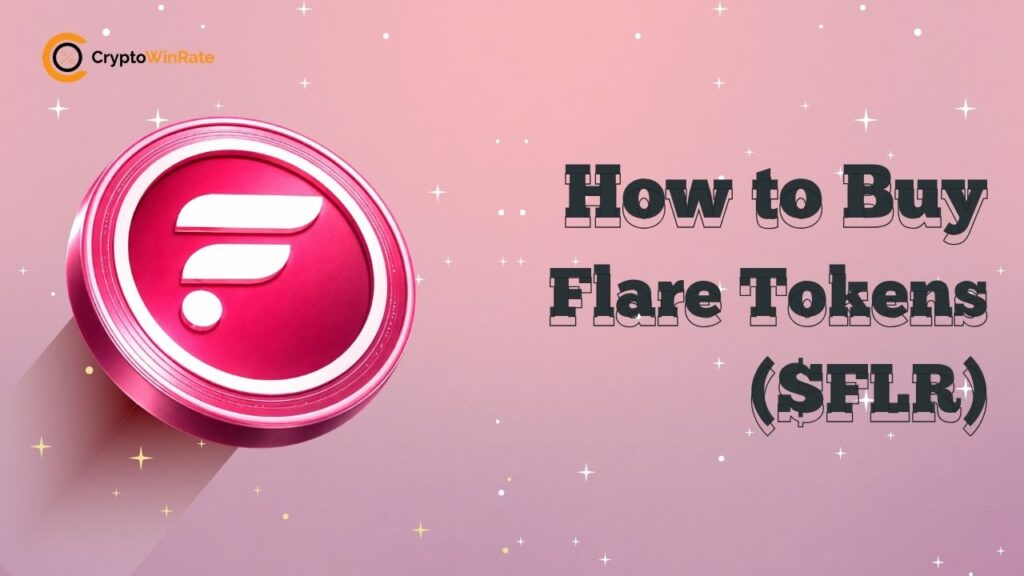
Launched as a blockchain focused on data, Flare Network is an EVM-compatible Layer 1 designed to provide secure, decentralized access to high-integrity data from other blockchains, the internet, and external sources directly within smart contracts. However, its growth in popularity is not limited to this use case. Its connection with XRP, particularly the ability to make XRP more utility-driven and potentially yield-generating through Flare’s ecosystem, has played a major role in attracting attention across the crypto space. In this guide, we will walk through the steps to buy FLR, the native token of the Flare Network.
Where to Buy Flare
FLR is listed across several centralized exchanges, giving users multiple entry points depending on what they value most in a trading platform. Some exchanges focus on lower spot trading fees, which can help reduce the overall cost of buying FLR, especially for larger orders. Others may prioritize ease of access, offering simplified onboarding or fewer restrictions around account verification.
At the same time, factors like liquidity and order book depth can directly impact execution quality, particularly if you are placing higher volume trades. Certain platforms also list FLR alongside a wider range of pairs, which can be useful if you plan to move between assets without additional conversions.
Because of these differences, there is no single best exchange for everyone. The right choice depends on whether you prioritize fees, KYC requirements, available trading pairs, or overall platform experience.
How to Buy $FLR on MEXC
Among the exchanges that list FLR, MEXC is a practical option for users looking for a low-cost and straightforward buying process. The platform keeps trading fees among the lowest in the market, which can help reduce the overall cost when entering a position.
Alongside spot trading, MEXC also supports FLRUSDT perpetual contracts with up to 20x leverage, giving flexibility if you plan to trade beyond simple buying. The exchange maintains sufficient liquidity for smoother execution, especially on major pairs. New users can also avail bonuses using a valid MEXC referral code, which adds some initial value when getting started. Here is how you can buy FLR tokens on MEXC:
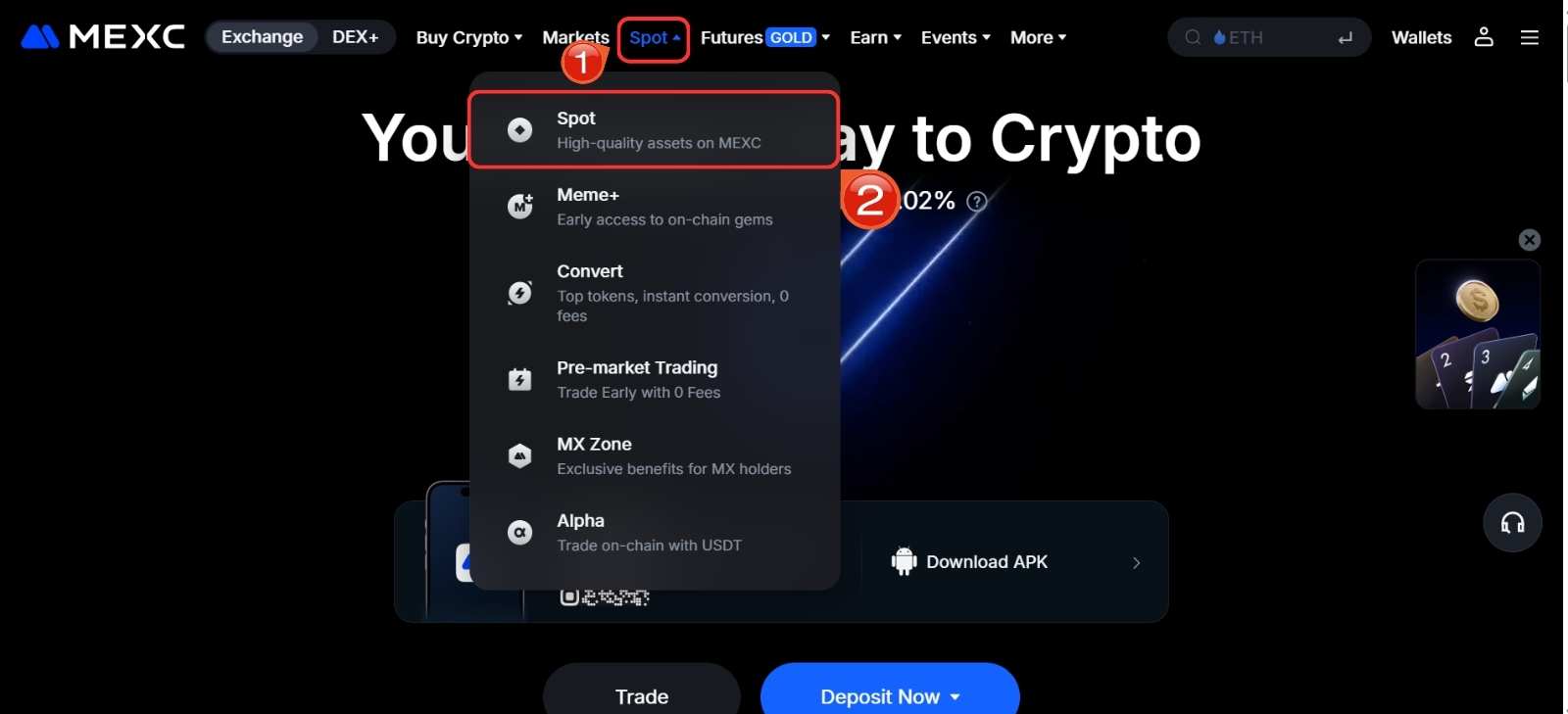
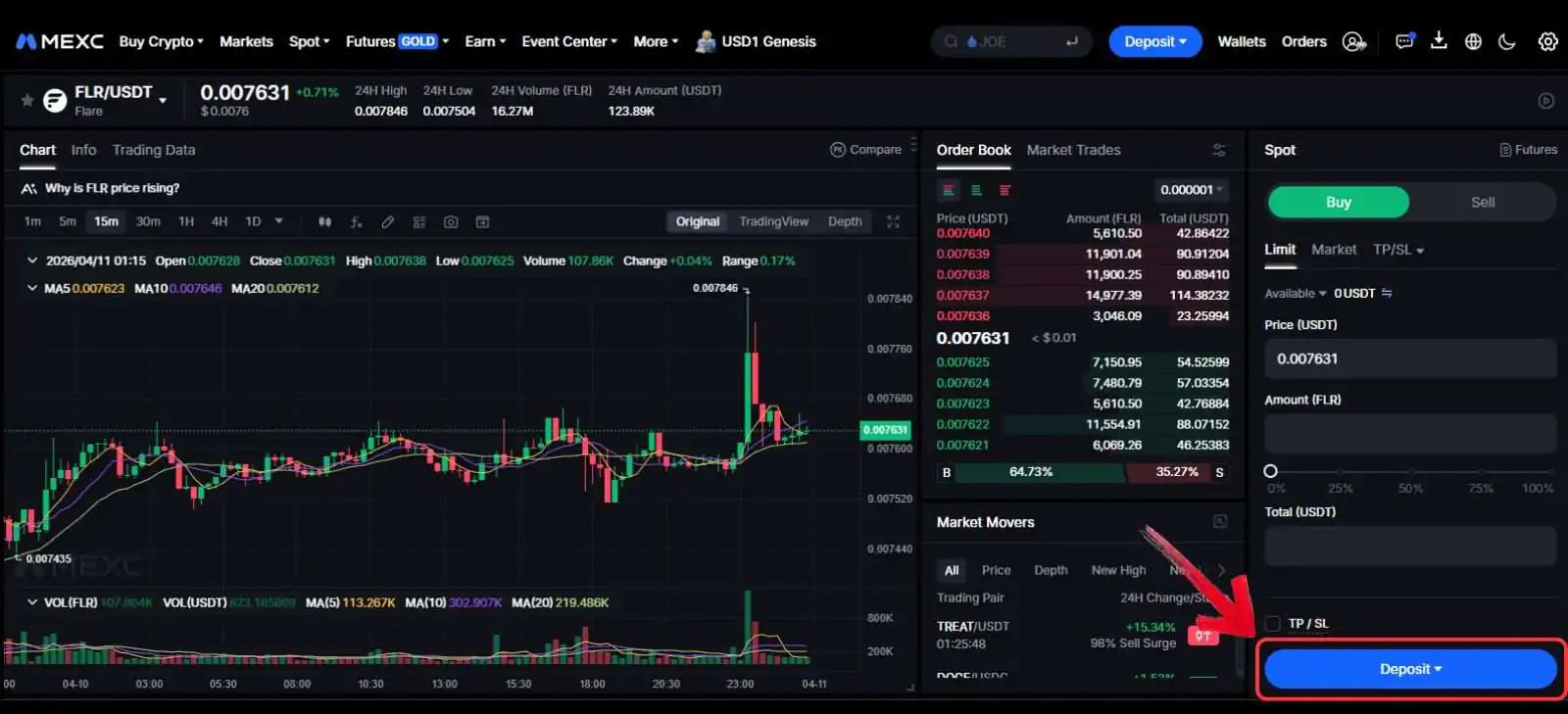
Step 1: Log in to your MEXC account and open the Spot trading section from the top menu.
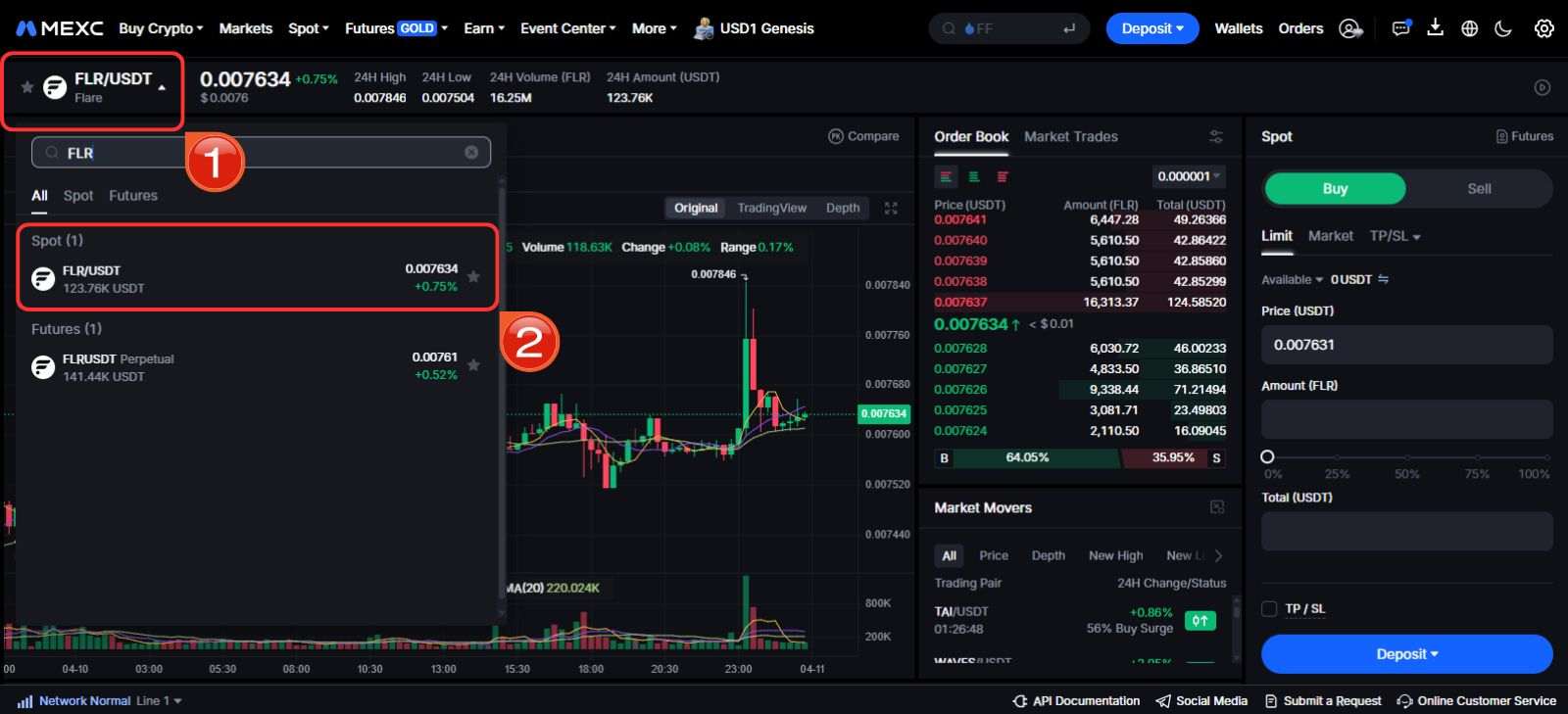
Step 2: Search for FLR/USDT in the market list and select the pair.
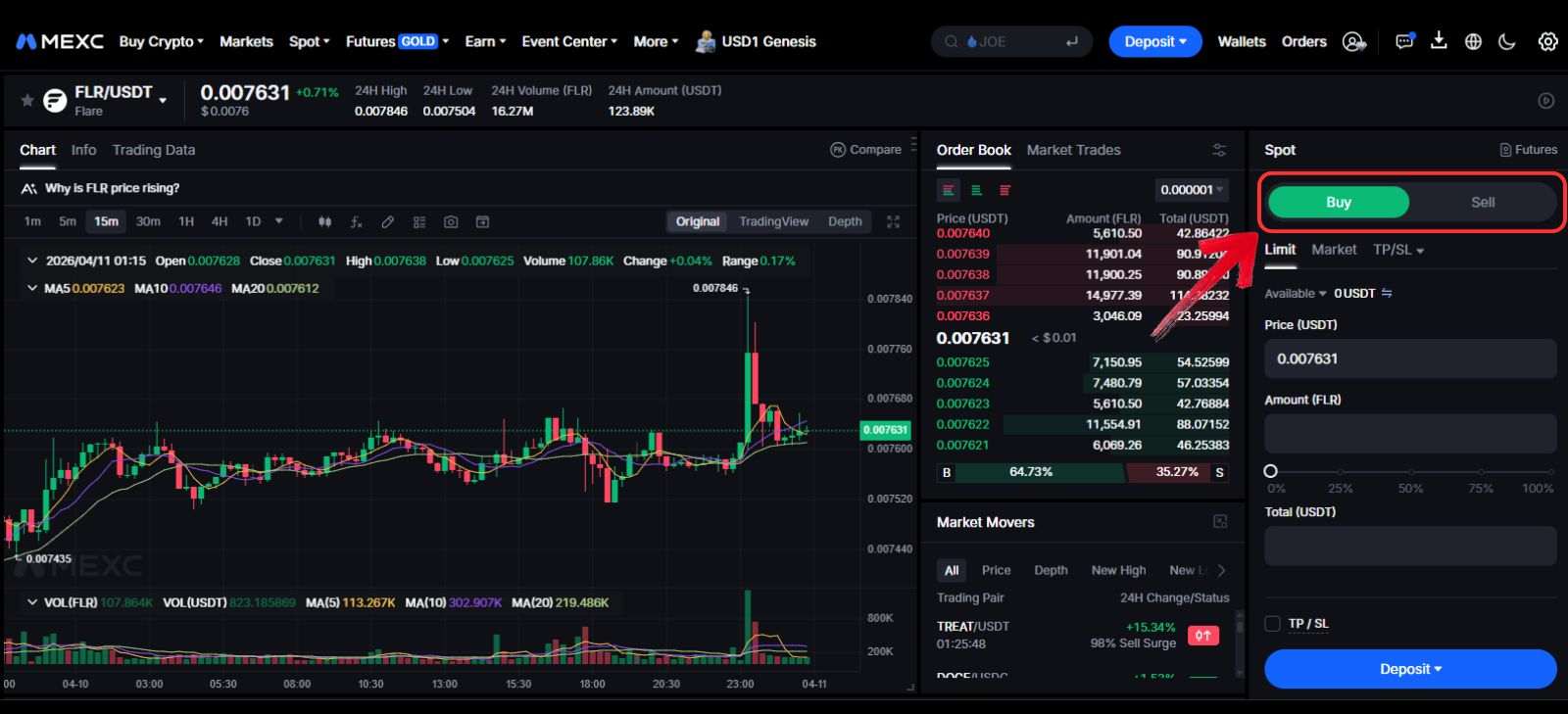
Step 3: On the trading screen, locate the order panel and choose between Market or Limit depending on how you want the order to execute.
Step 4: Enter the amount of FLR you wish to buy, either manually or by using the slider to allocate funds.
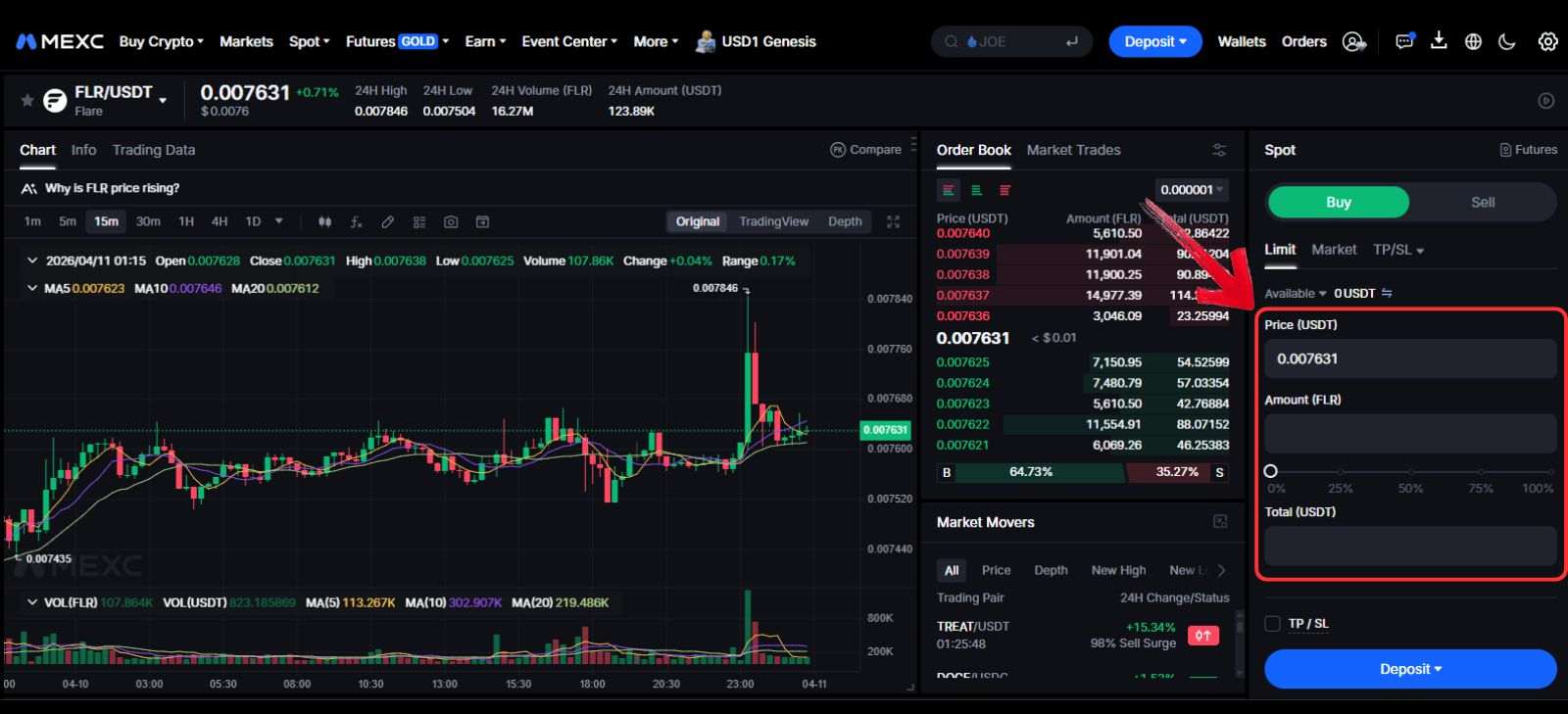
Step 5: Review the order information and click “Buy FLR” to complete the purchase.
Fees When Buying Flare on MEXC
On MEXC, spot trading fees are typically set at 0.05% for both maker and taker orders. This means a $100 FLR purchase would result in a small deduction in fees, slightly lowering the final amount received. Users who hold MX, the platform’s native token, may qualify for discounted trading fees depending on their account level, which can help reduce overall costs further.
How to Transfer $FLR to a Web3 Wallet
Buying FLR on a centralized exchange like MEXC is often the easiest way to get started. You can hold your tokens directly on the platform, which works well if your goal is simply to buy and track price movements without dealing with wallets or onchain activity.
However, if you plan to use the Flare Network for interacting with FAssets or exploring yield opportunities linked to XRP, you will need to move your FLR to a Web3 wallet. This allows you to connect with dApps built on Flare. If you are new, MetaMask is a practical option, but you will need to add the Flare network manually or use a one-click method.
Download MetaMask for your device




Here is how you can transfer FLR to a MetaMask wallet:
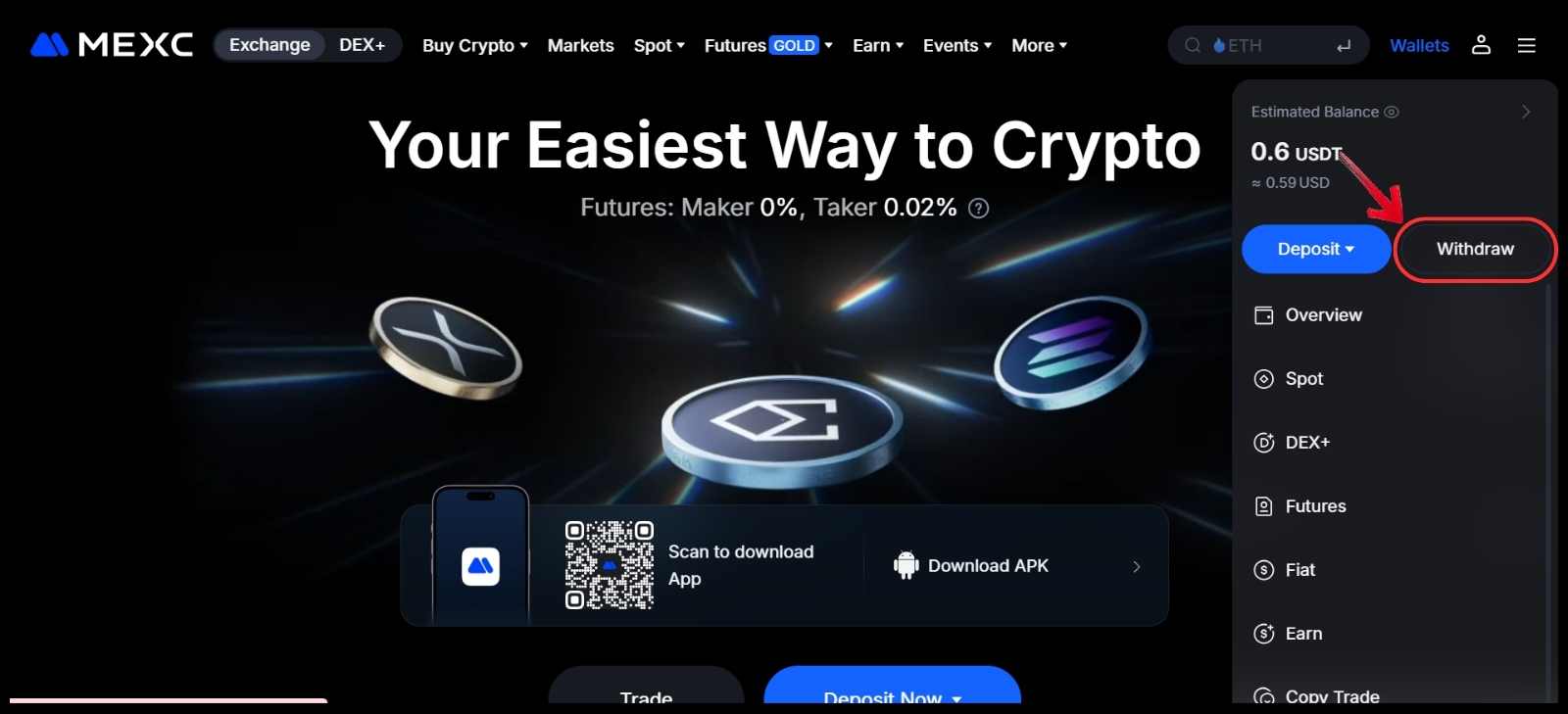
Step 1: Hover over the Wallets tab and click Withdraw from the dropdown menu.
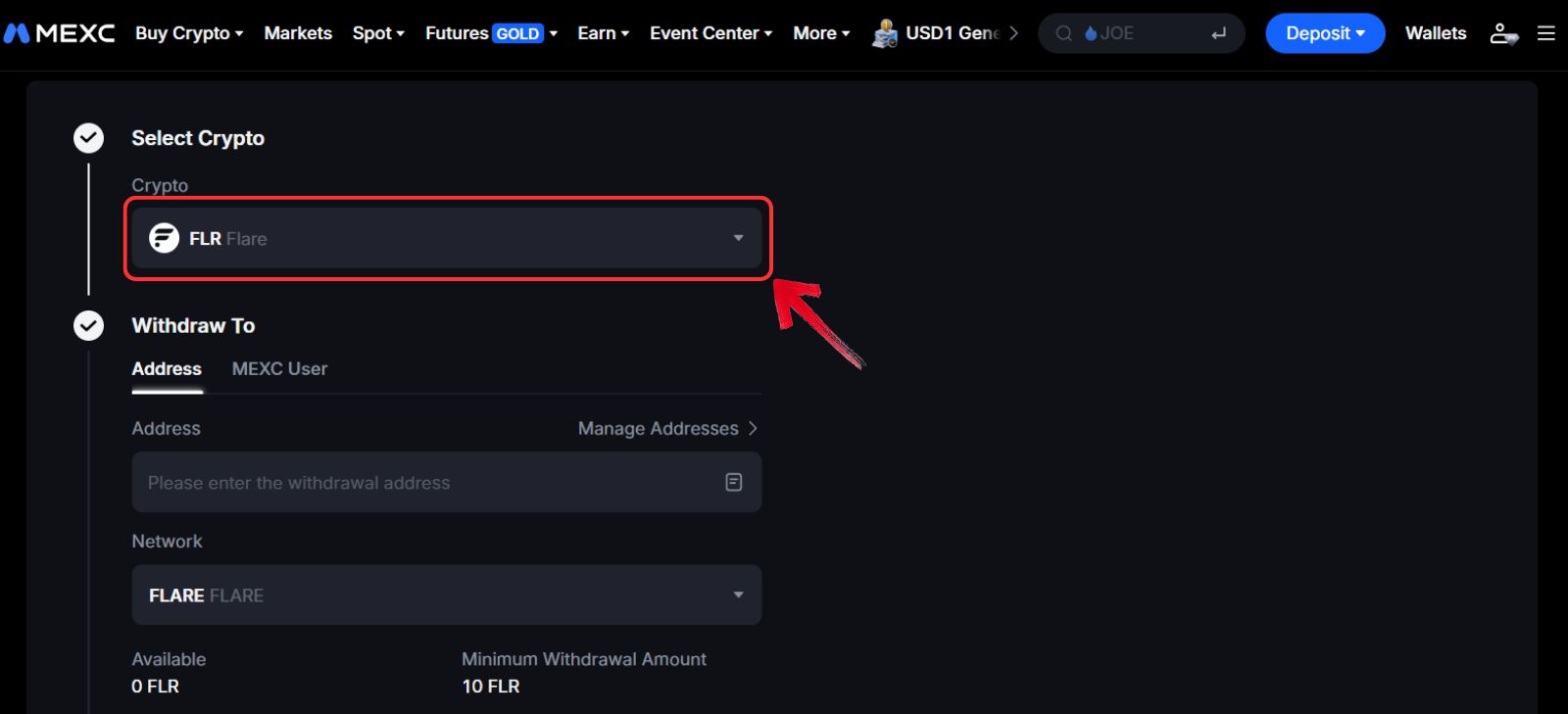
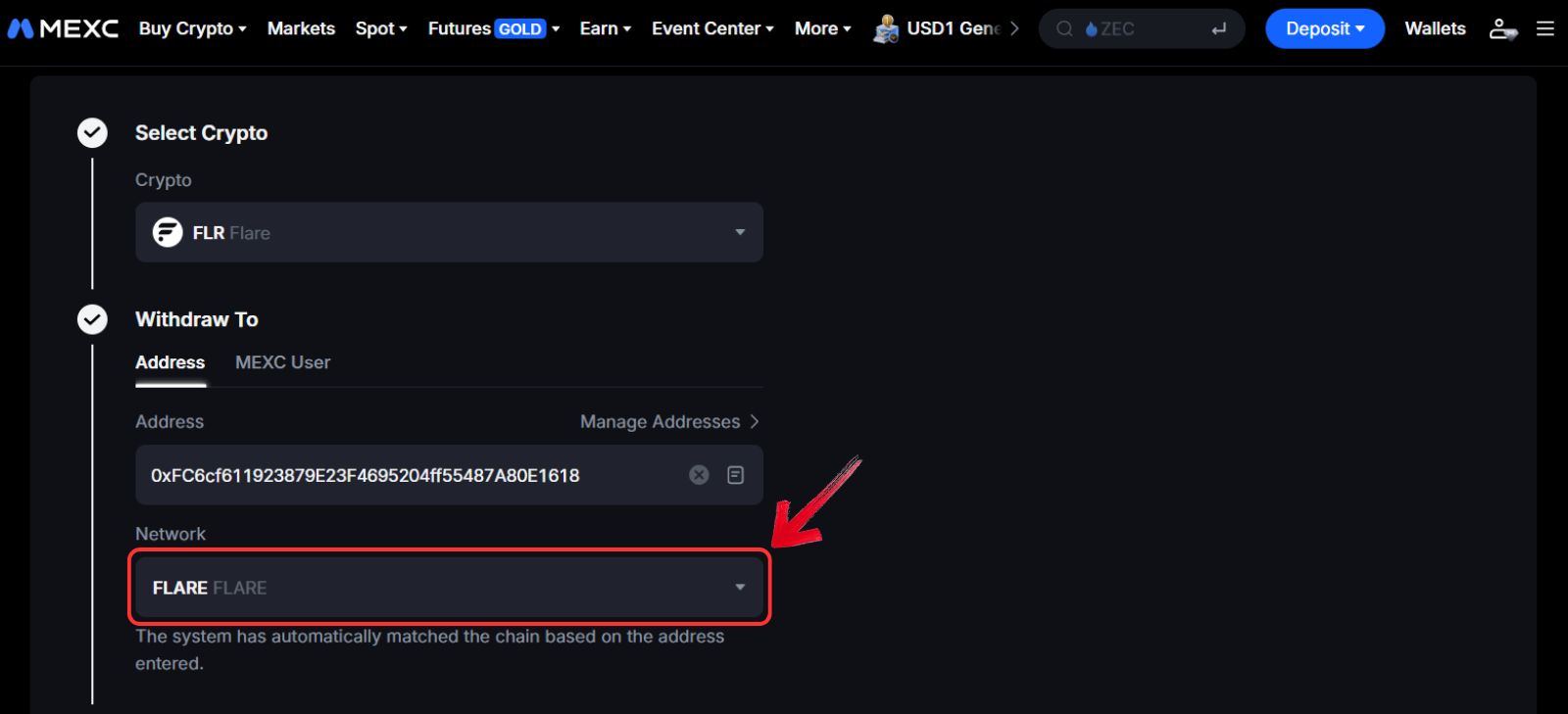
Step 2: In the Crypto field, search for FLR and select it from the list.
Step 3: Open your Flare wallet, copy your FLR receive address, and paste it into the Withdraw To address field on the exchange.
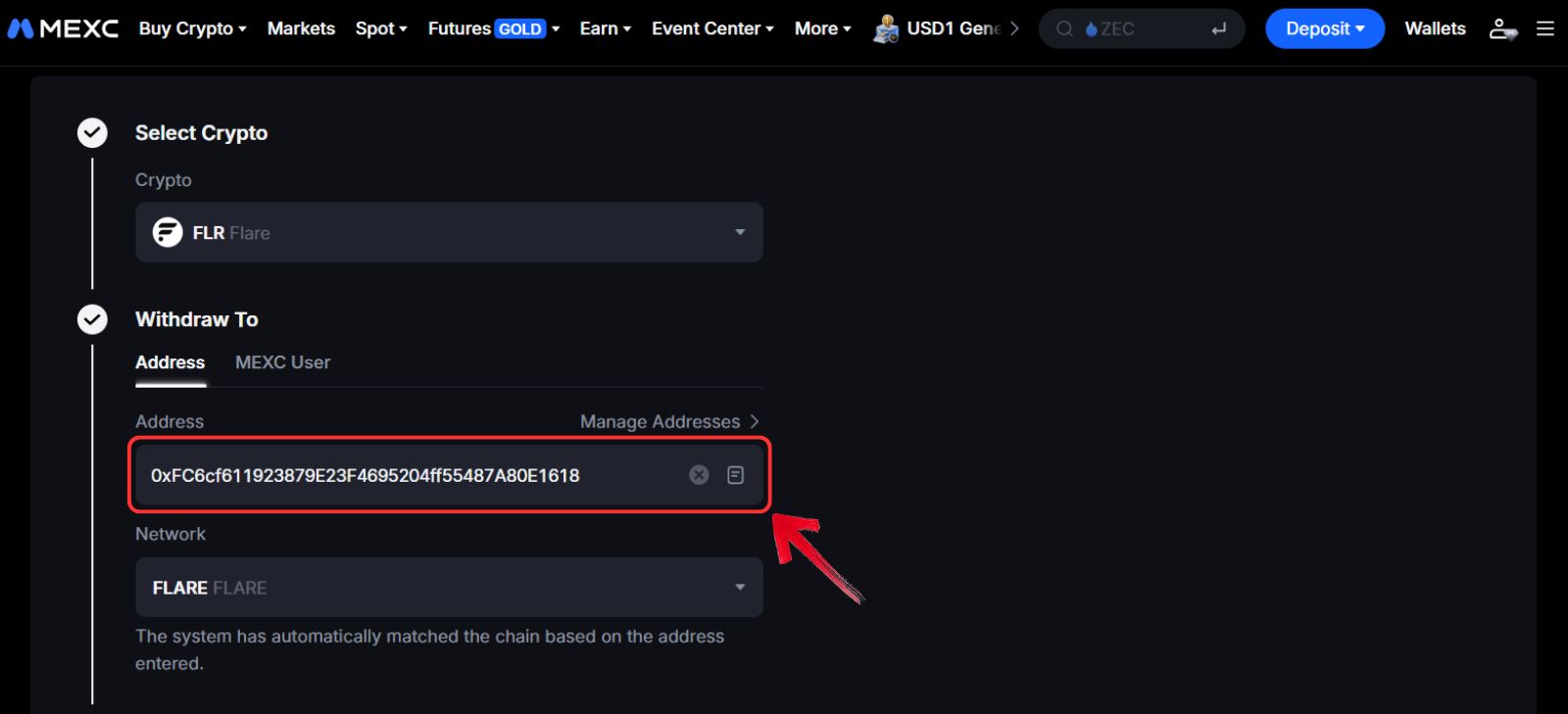
Step 4: Choose the Flare Network as the withdrawal network.
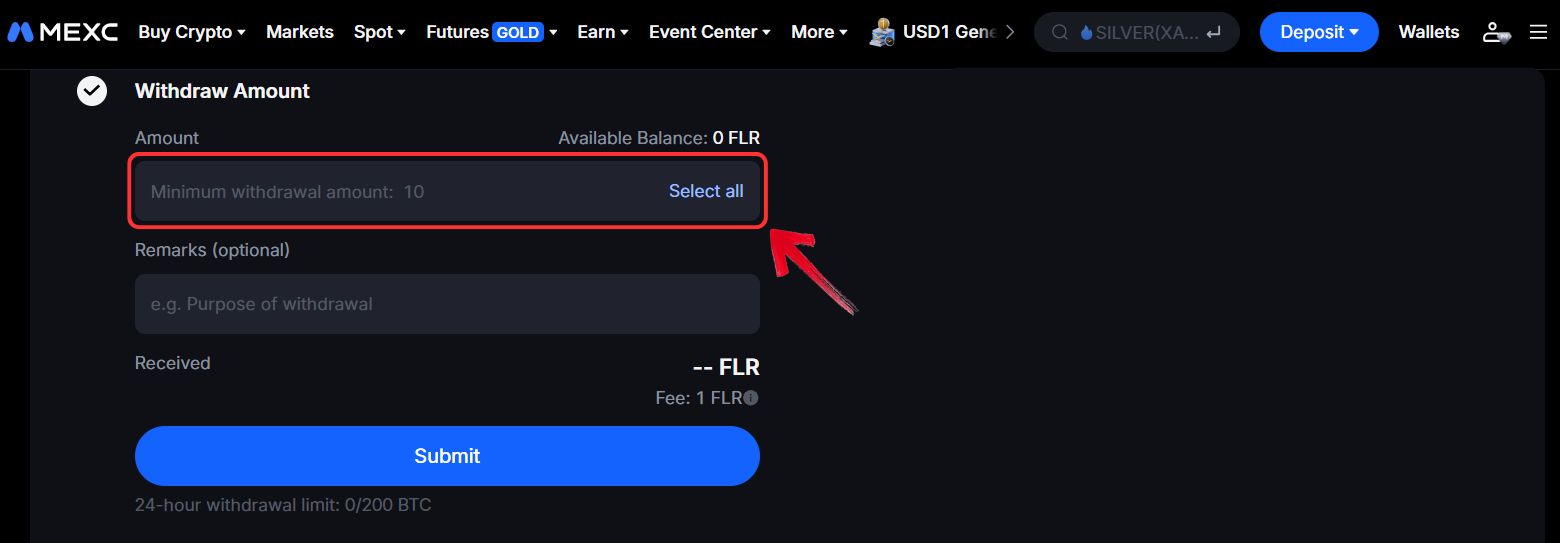
Step 5: Enter the amount of FLR you want to transfer.
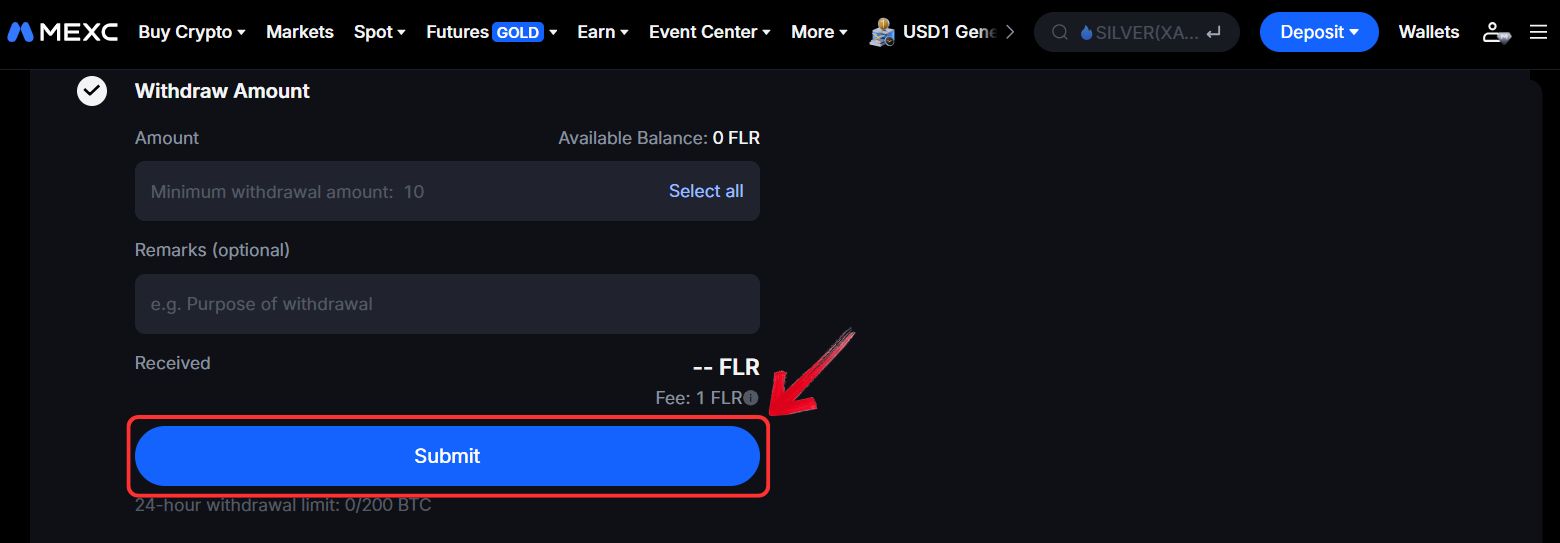
Step 6: After checking all details, click Submit to complete the FLR withdrawal.
You can track the status of your withdrawal using the TXID provided by MEXC. Once submitted, the transaction can be monitored on the Flarescan.
Flare Explained
Flare Network is built as a data-focused Layer 1, which matters because most smart contracts rely heavily on external data to function correctly. Instead of depending on third-party oracles, Flare integrates data directly into the network through native protocols like the Flare Time Series Oracle and State Connector.
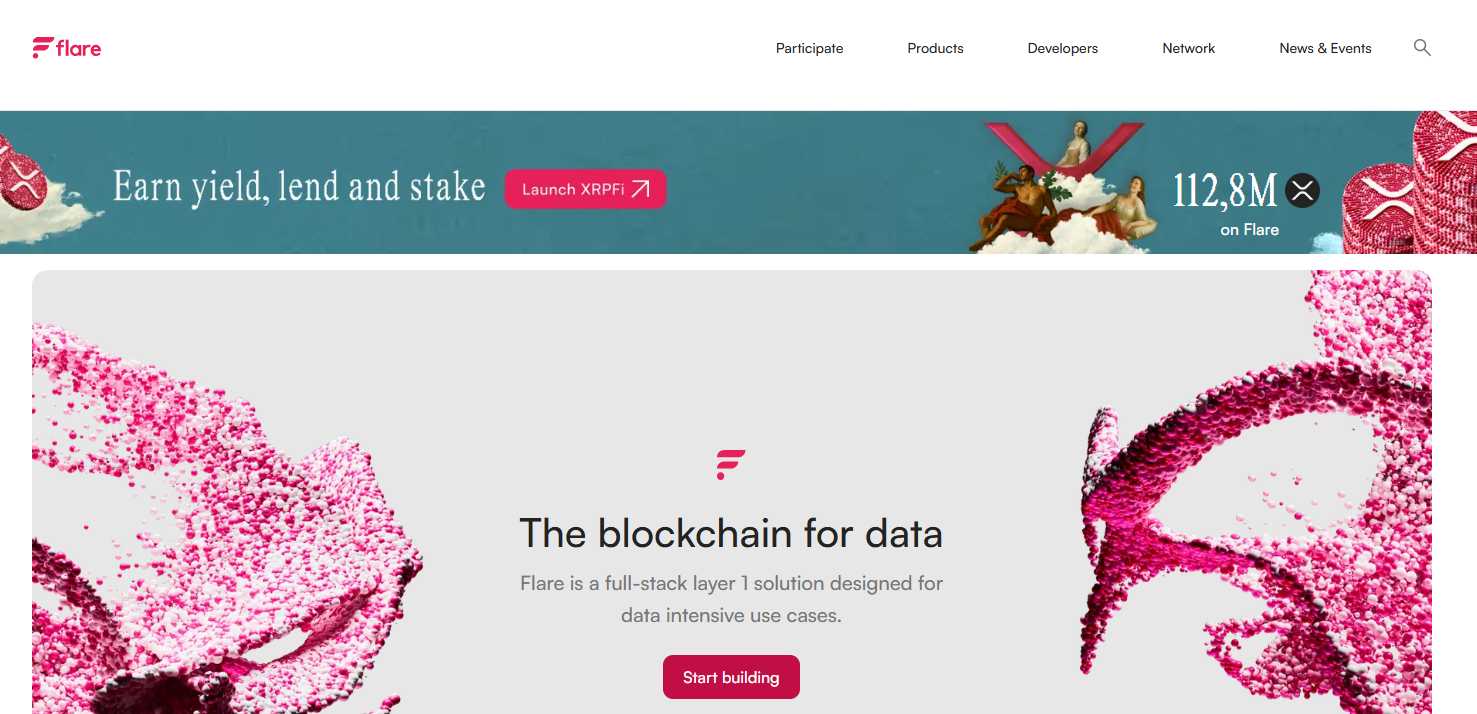
For users, this opens practical use cases. Assets like XRP or Bitcoin, which normally cannot run smart contracts, can be used in DeFi through FAssets such as FXRP. This means you can lend, stake, or earn yield on assets that would otherwise remain idle.
Bottom Line
Flare stands out by focusing on how data moves across blockchains and how existing assets can actually be used, not just held. If you are only looking to buy and track FLR, centralized exchanges already cover that part well. But the real value starts to show when you explore what the network enables, especially around FAssets and bringing assets like XRP into DeFi. If this approach to utility-based tokens interests you, it is worth looking beyond FLR as well. Several DeFi projects are building around similar ideas, and you can explore our list of top DeFi tokens to see how different protocols are approaching usage, yield, and onchain activity.
FAQs
1. Does Flare (FLR) generate yield?
FLR itself does not generate yield automatically, but it can be delegated to data providers or used within DeFi apps to earn rewards.
2. What are FAssets on Flare?
FAssets are synthetic versions of assets like XRP that can be used in DeFi for lending, trading, and earning yield.
3. Is Flare Network safe to use?
Flare Network uses built-in data protocols and a proof-of-stake model, but like all DeFi platforms, it carries smart contract and market risks.
4. What is the role of FLR token?
FLR is used for gas fees, staking, delegation, governance, and as collateral within the Flare ecosystem.
5. What is FXRP on Flare?
FXRP is a 1:1 representation of XRP on Flare, allowing it to be used in DeFi applications like lending, staking, and trading.