


- •Aave is the largest DeFi lending protocol, surpassing $1 trillion in lending volume and managing around $27 billion in total value locked.
- •Users can buy AAVE tokens on many exchanges, with platforms like Bitunix offering spot trading, derivatives access, and competitive fees.
- •AAVE can be transferred to Web3 wallets such as MetaMask for custody, governance participation, or staking in the Safety Module.
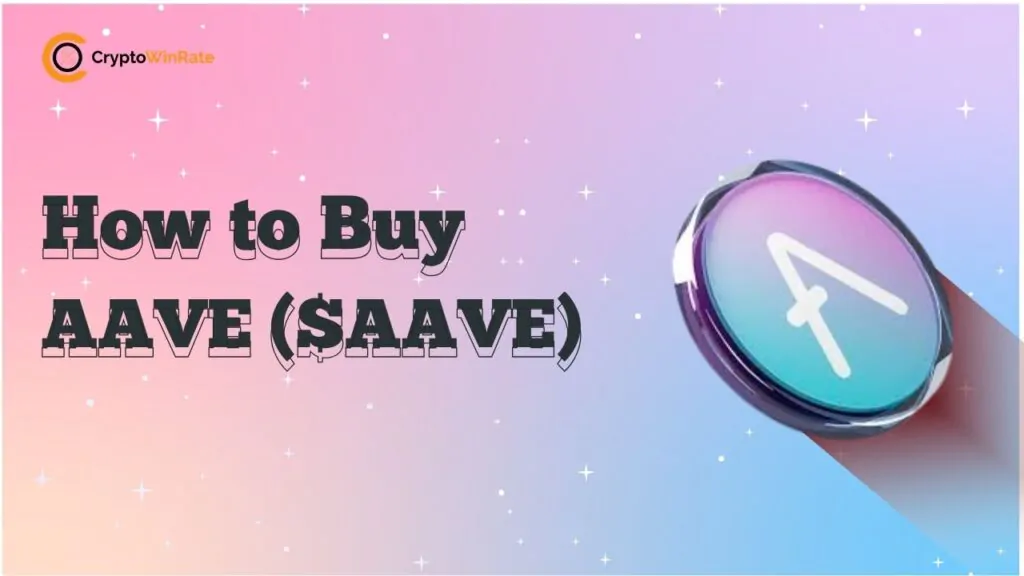
In the DeFi space, Aave is currently one of the leading platforms, having surpassed $1 trillion in cumulative lending volume, becoming the first DeFi protocol to reach this milestone. With approximately $27 billion in total value locked as of early 2026, Aave’s scale rivals that of many of the top 50 banks in the United States.
Whether the market is in a bear phase or crypto prices are rising rapidly, Aave typically continues performing well. As regulations gradually move in favor of the crypto industry, many analysts expect Aave’s market dominance to continue increasing. With positive developments, attention often shifts toward Aave, and many users begin looking to buy AAVE tokens, either to participate in the protocol or to hold them for the long term. In this guide, we will look at the best exchanges where you can purchase Aave tokens.
Where to Buy Aave
Since its early growth within decentralized finance, AAVE has been listed on a large number of cryptocurrency exchanges. Today, most major trading platforms support Aave trading pairs because of the protocol’s importance in the DeFi lending sector and its strong market presence.
That said, deciding where to buy AAVE should still involve some consideration. Not every exchange provides the same standards for security, liquidity, or user protection. It is also useful to look at regional availability, trading fees, and the extra tools offered on each platform. Some exchanges support AAVE staking or savings products, while others focus more on derivatives markets, margin trading, or advanced order types.
Below, we look at several exchanges where you can buy Aave and what each platform offers.
How to Buy $AAVE on Bitunix
AAVE is listed on a wide range of exchanges, but we selected Bitunix because it offers straightforward trading conditions along with tools suited for both spot and derivatives traders. On Bitunix, users can purchase AAVE through the spot market, while traders who prefer short term price exposure can access AAVE perpetual contracts with leverage of up to 75x.
The exchange maintains competitive trading costs, with spot fees set at 0.08% for maker orders and 0.10% for taker orders. New users can also win up to $5,500 in bonuses using a valid Bitunix referral code. Bitunix follows an optional KYC model, allowing users to begin trading without immediate identity verification while still maintaining a strong reputation and a high trust rating across major crypto tracking platforms.
Below are the steps to buy AAVE on Bitunix using the spot market.
Step 1: Go to the official Bitunix website and create an account if you have not registered yet.
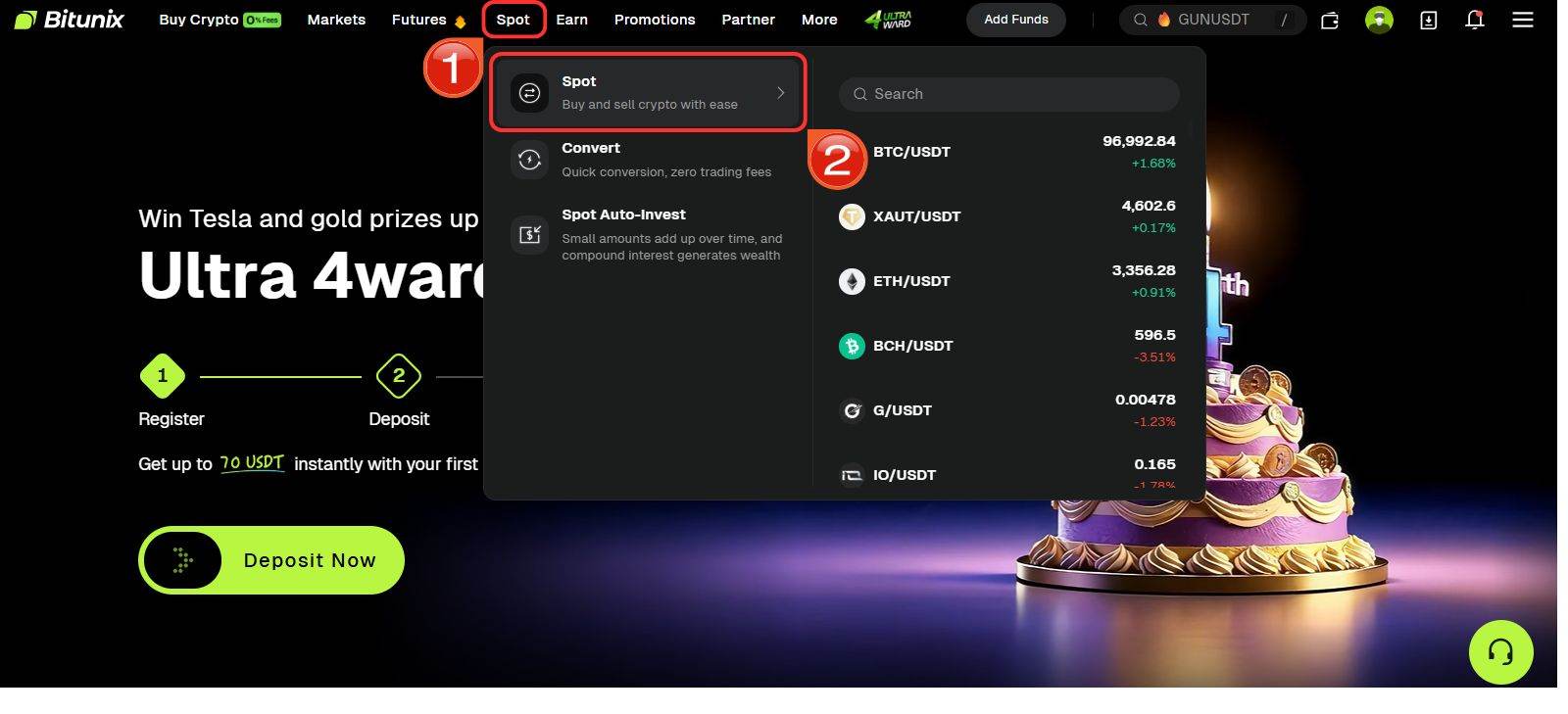
Step 2: Once logged in, hover over the Spot section in the top menu and open the Spot trading page.
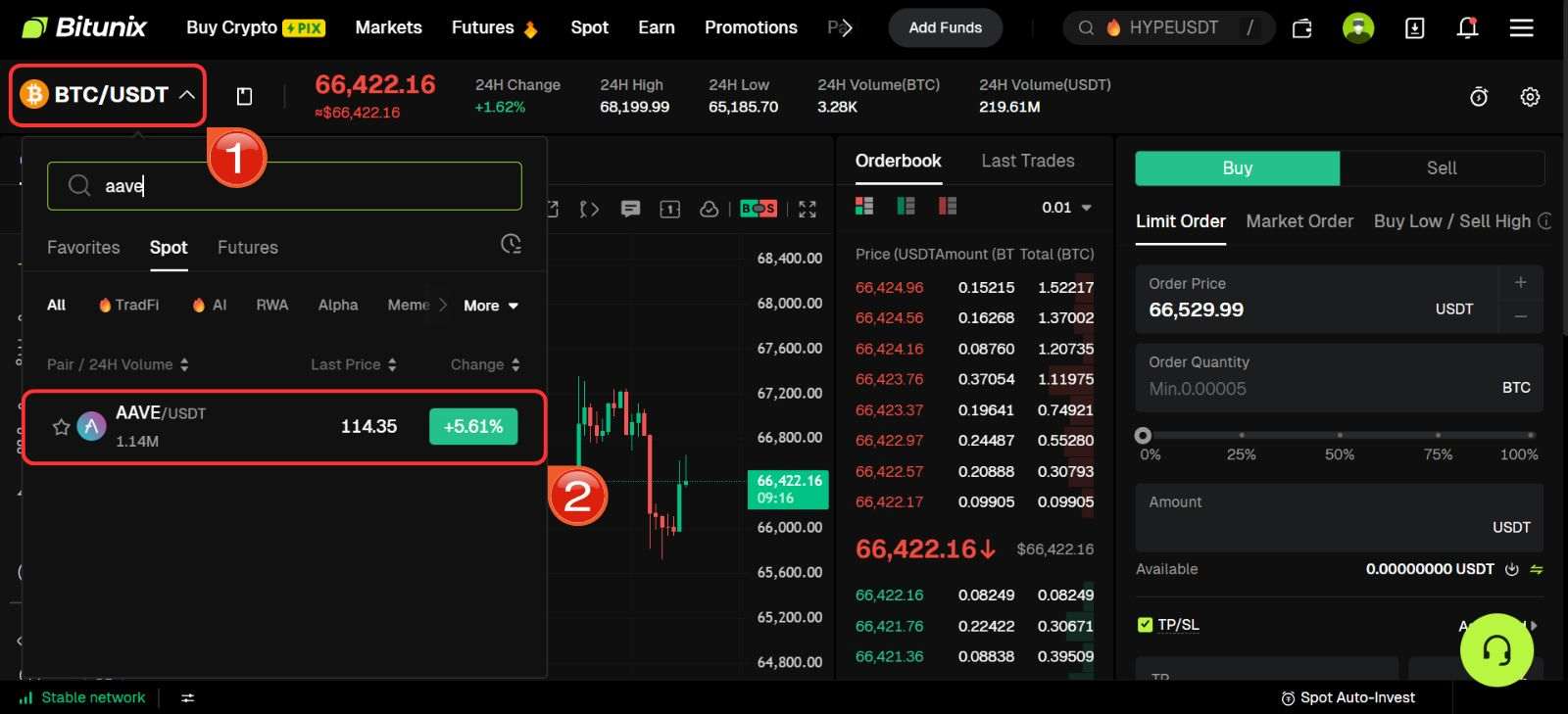
Step 3: Use the asset search bar to find AAVE, then select the AAVE/USDT trading pair.
Step 4: On the right side of the screen, locate the Buy/Sell panel and choose between a Market order or a Limit order.
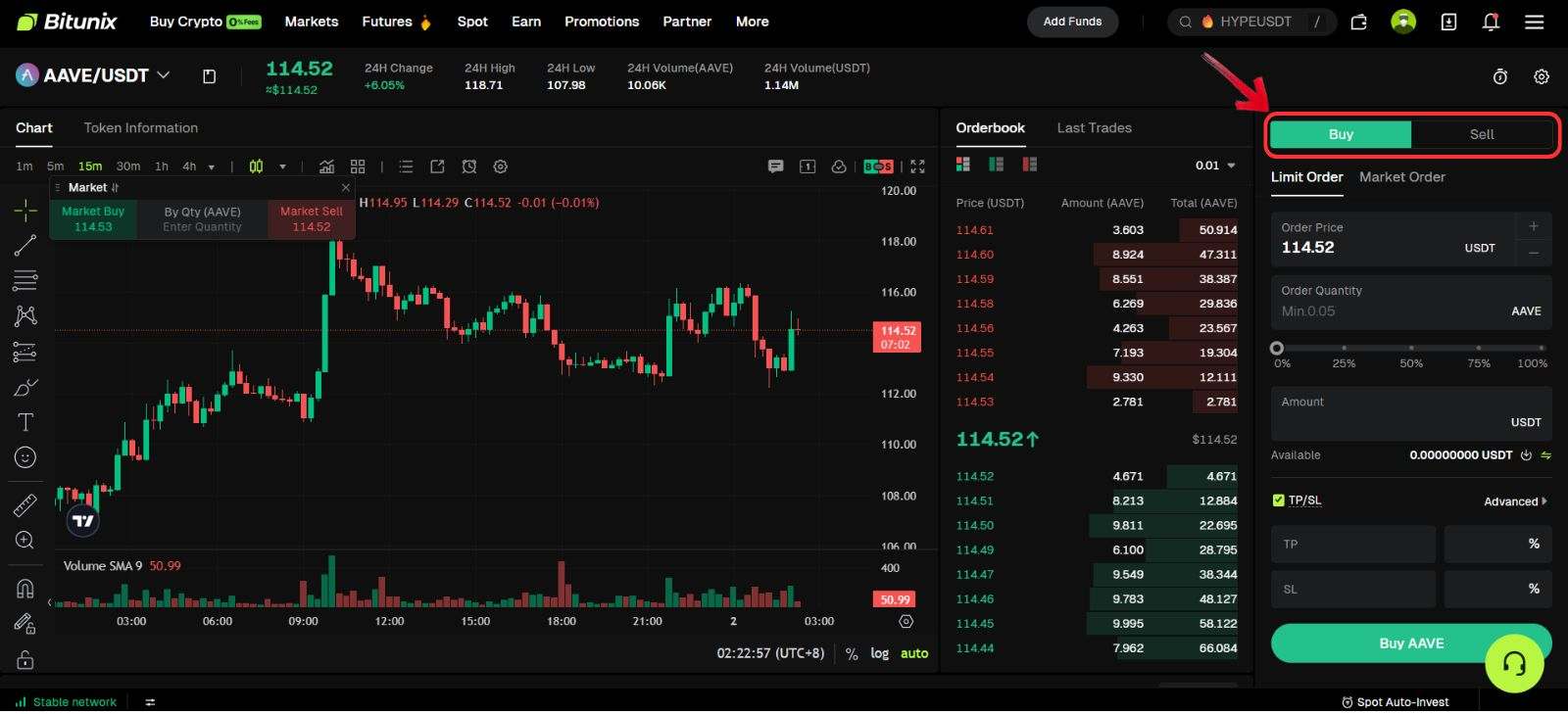
Step 5: Enter the amount of AAVE you want to buy or the USDT value you want to spend. The slider can also be used to adjust the amount quickly.
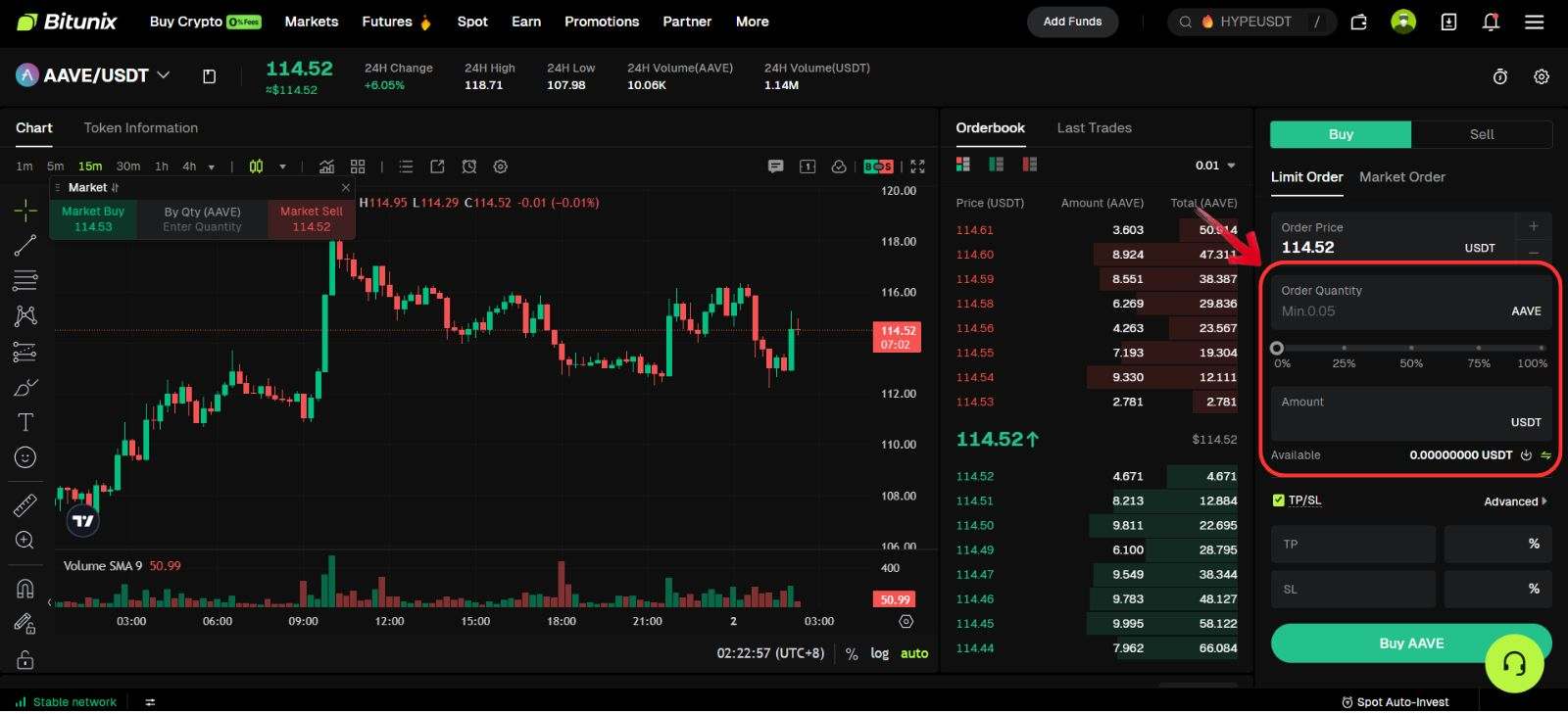
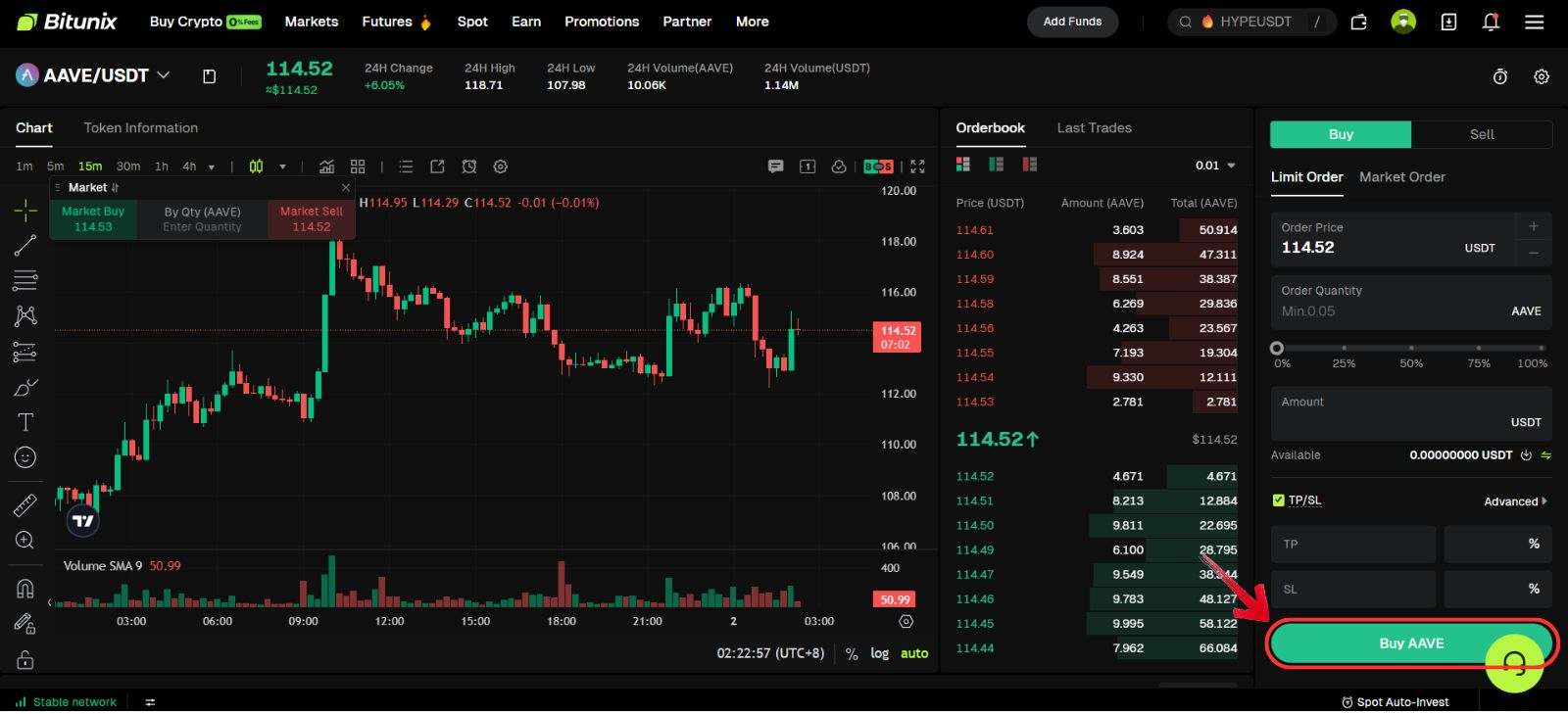
Step 6: Check the order information and click Buy AAVE to finalize the purchase.
Fees When Buying Aave on Bitunix
Bitunix currently charges 0.08% maker fees and 0.10% taker fees on spot trades. This means the exact amount you pay depends on the type of order used when buying AAVE.
For example, if you place a $1,000 limit order for the Aave token, the maker fee of 0.08% would result in a trading cost of $0.80. In comparison, placing a $1,000 market order would apply the taker fee of 0.10%, bringing the transaction cost to $1.
How to Transfer $AAVE to a Web3 Wallet
After purchasing AAVE, many users prefer moving their tokens to a Web3 wallet rather than leaving them on an exchange. This gives users full custody of their assets and allows them to interact directly with decentralized finance platforms built around the Aave ecosystem. The AAVE token also has utility beyond holding. Token holders can participate in governance proposals, and they can also stake AAVE in the Safety Module to support protocol security while earning incentives of up to 3.38%.
Because of these use cases, many DeFi participants choose to store their AAVE in a personal wallet. Since Aave primarily operates on the Ethereum network, MetaMask is one of the most commonly used wallets for managing AAVE tokens.
Here is how you can transfer your AAVE from an exchange to MetaMask.
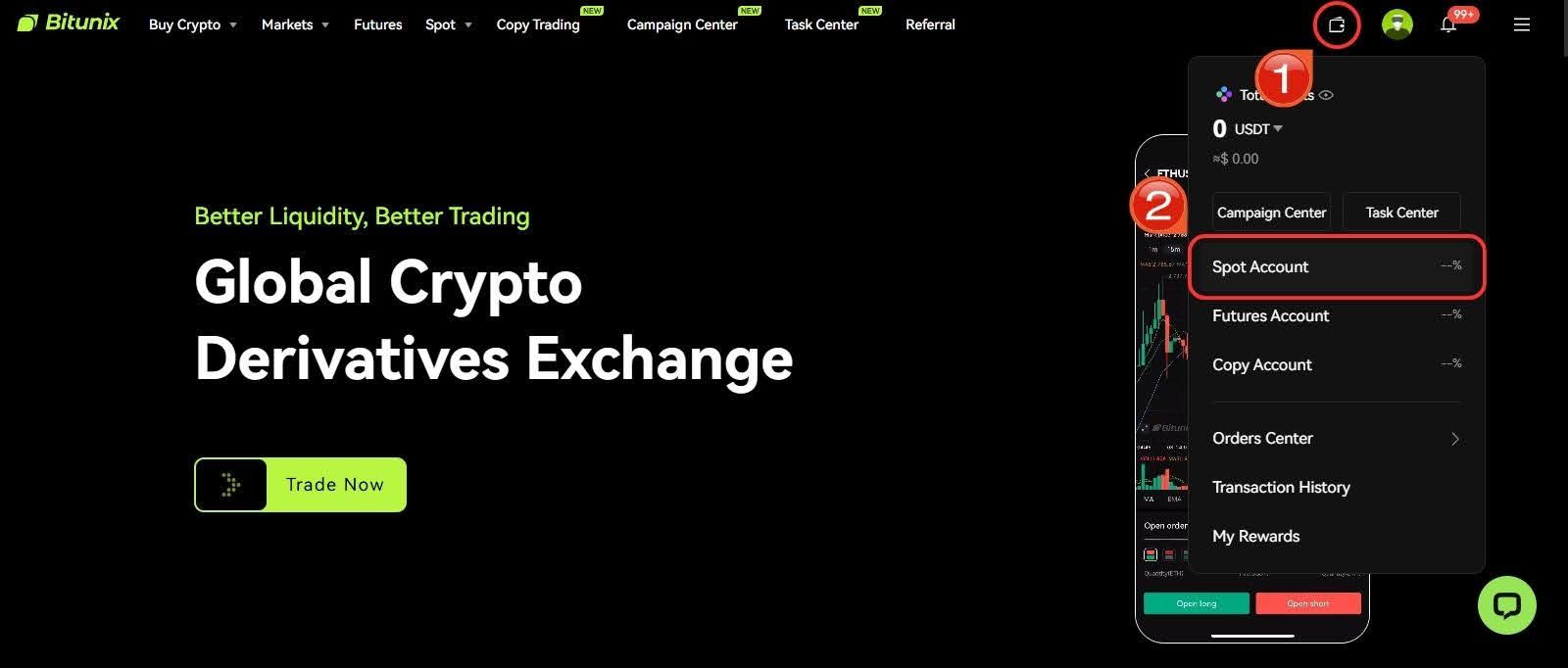
Step 1: Move your cursor over the Wallet icon in the top navigation bar, then select Spot Account from the dropdown menu.
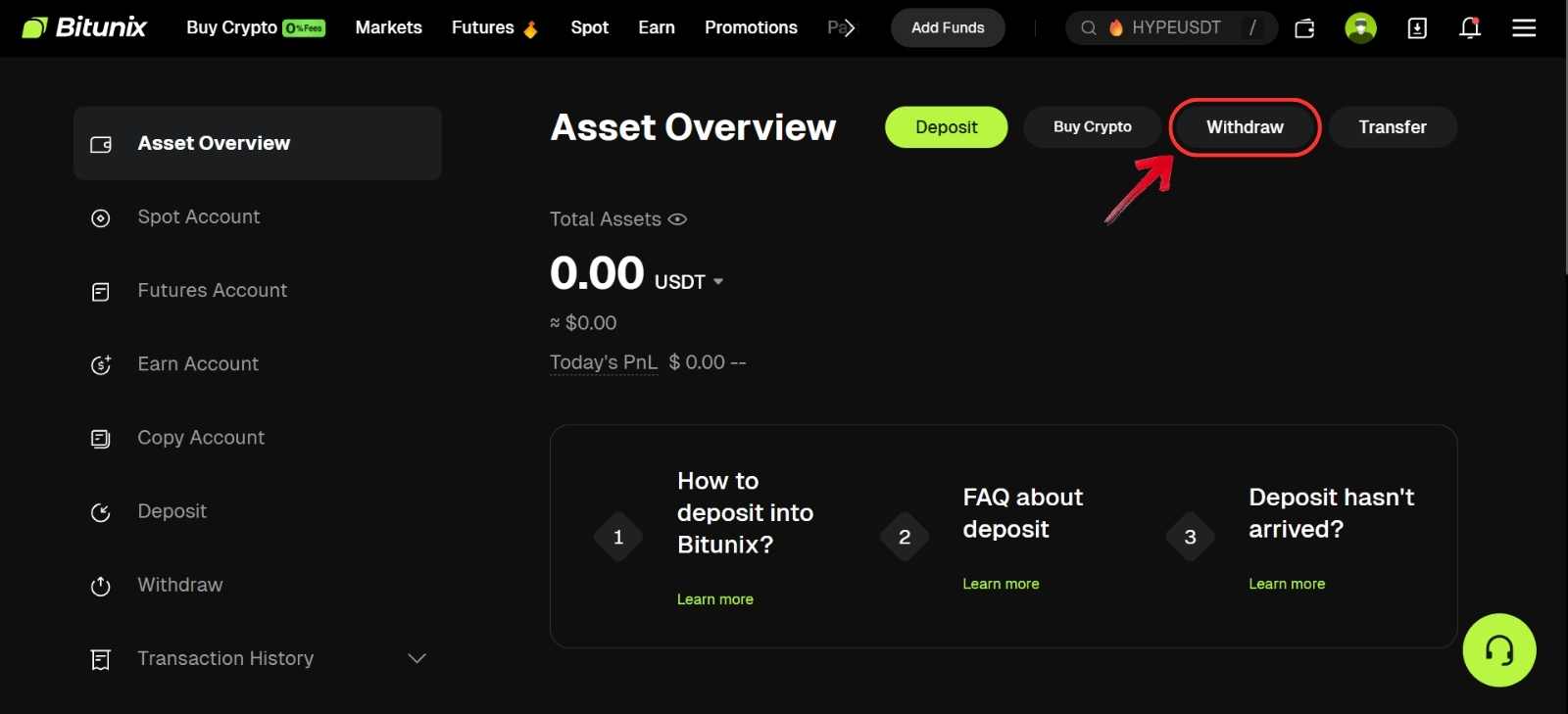
Step 2: Inside the Spot Account dashboard, go to Asset Overview and click the Withdraw button.
Step 3: You will be redirected to the withdrawal page. Confirm that the Coin field is set to AAVE.
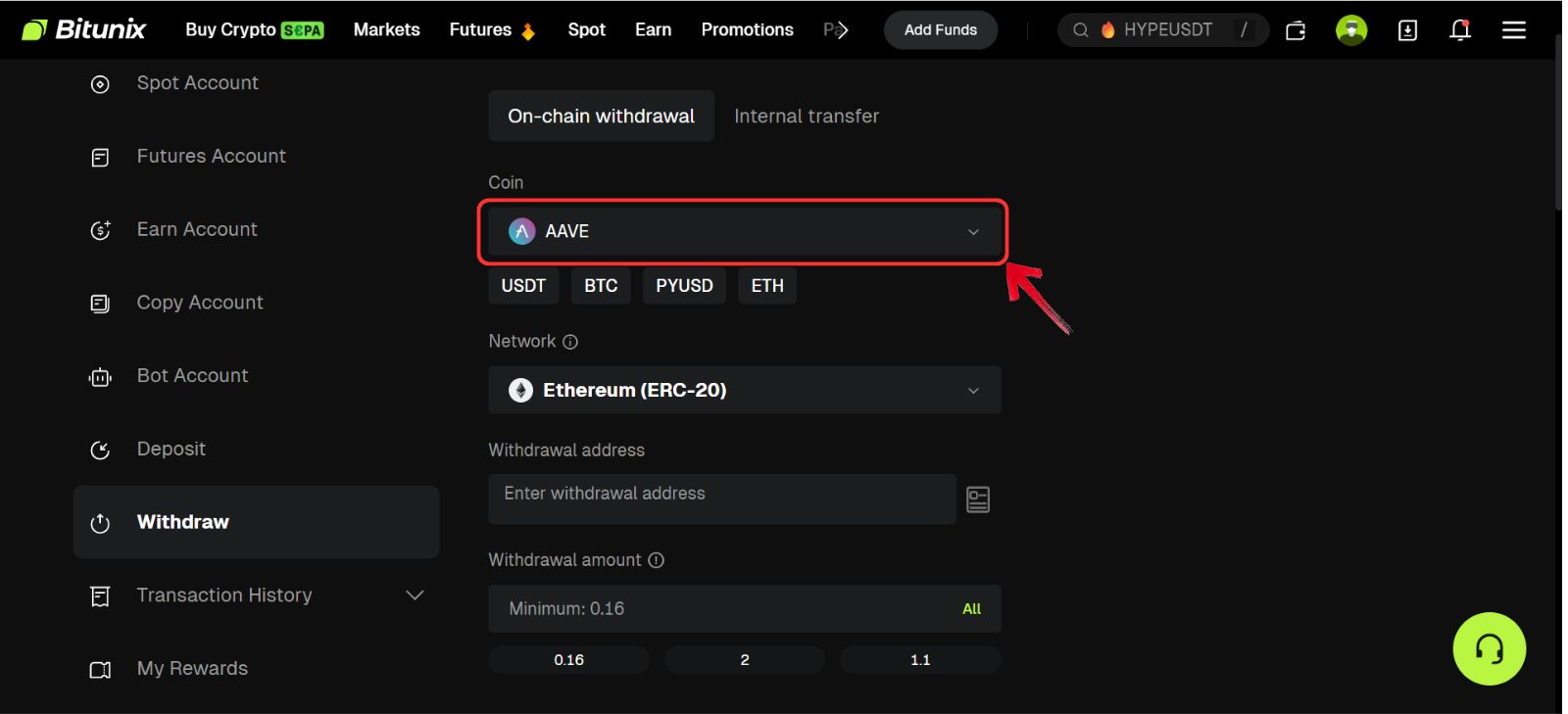
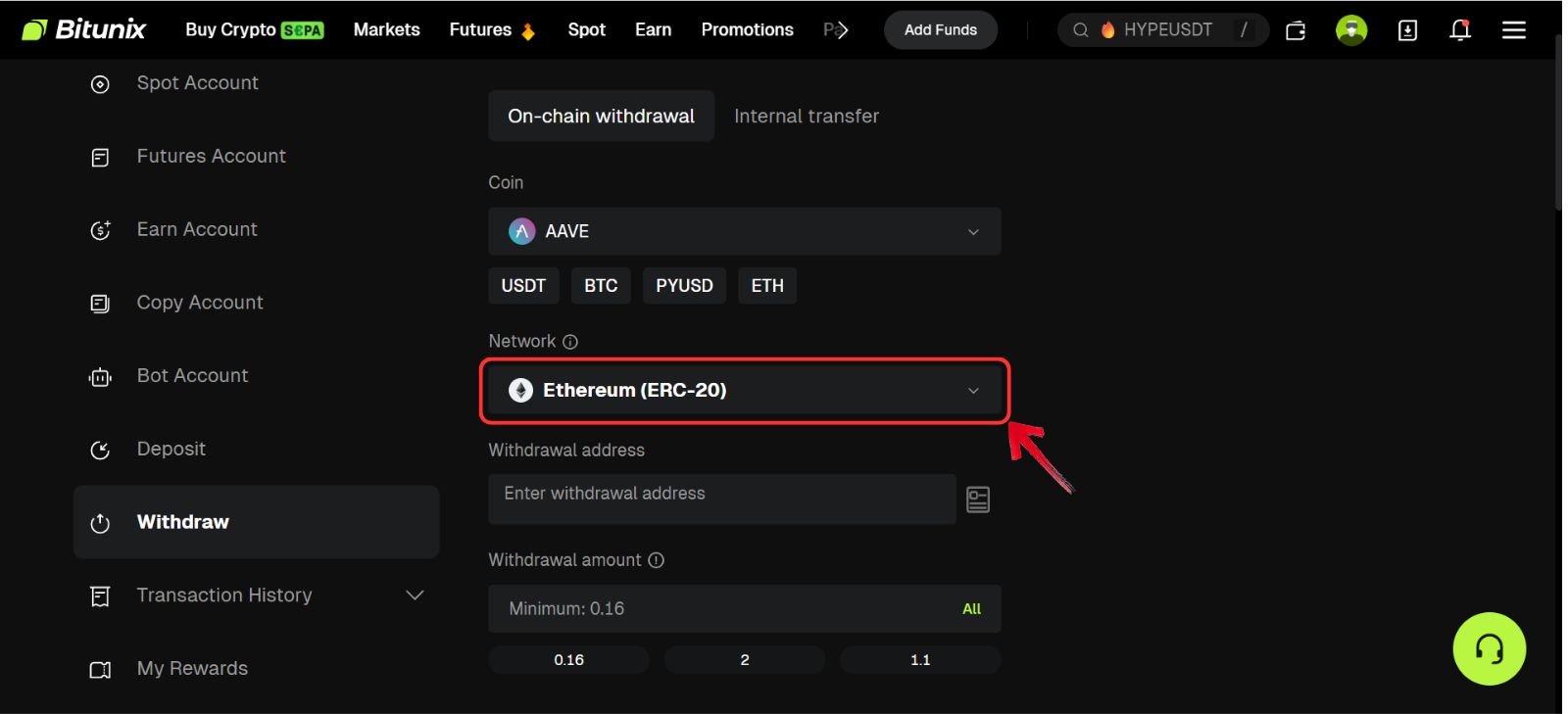
Step 4: From the Network dropdown menu, choose Ethereum network.
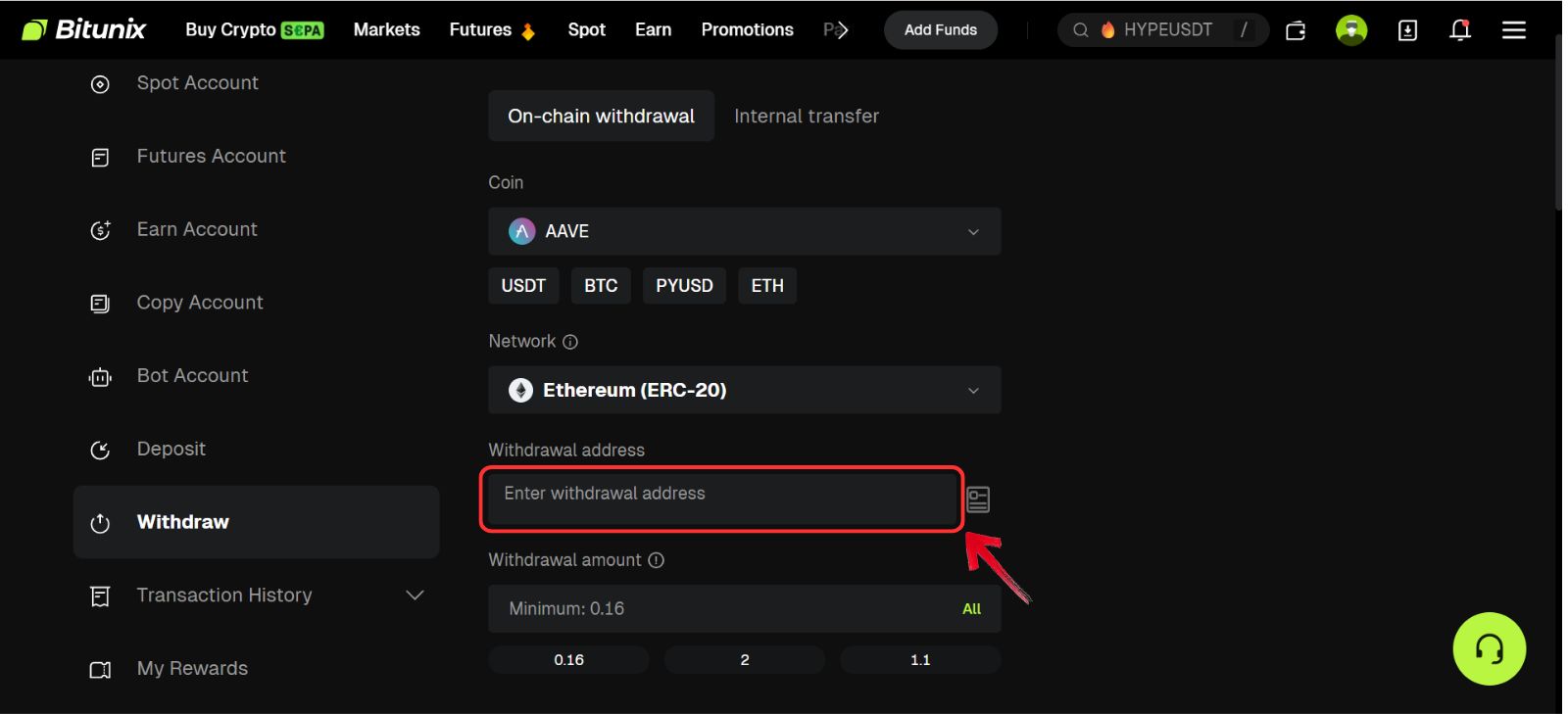
Step 5: Open your MetaMask wallet, copy your Ethereum receiving address, and paste it into the Withdrawal Address field on Bitunix.
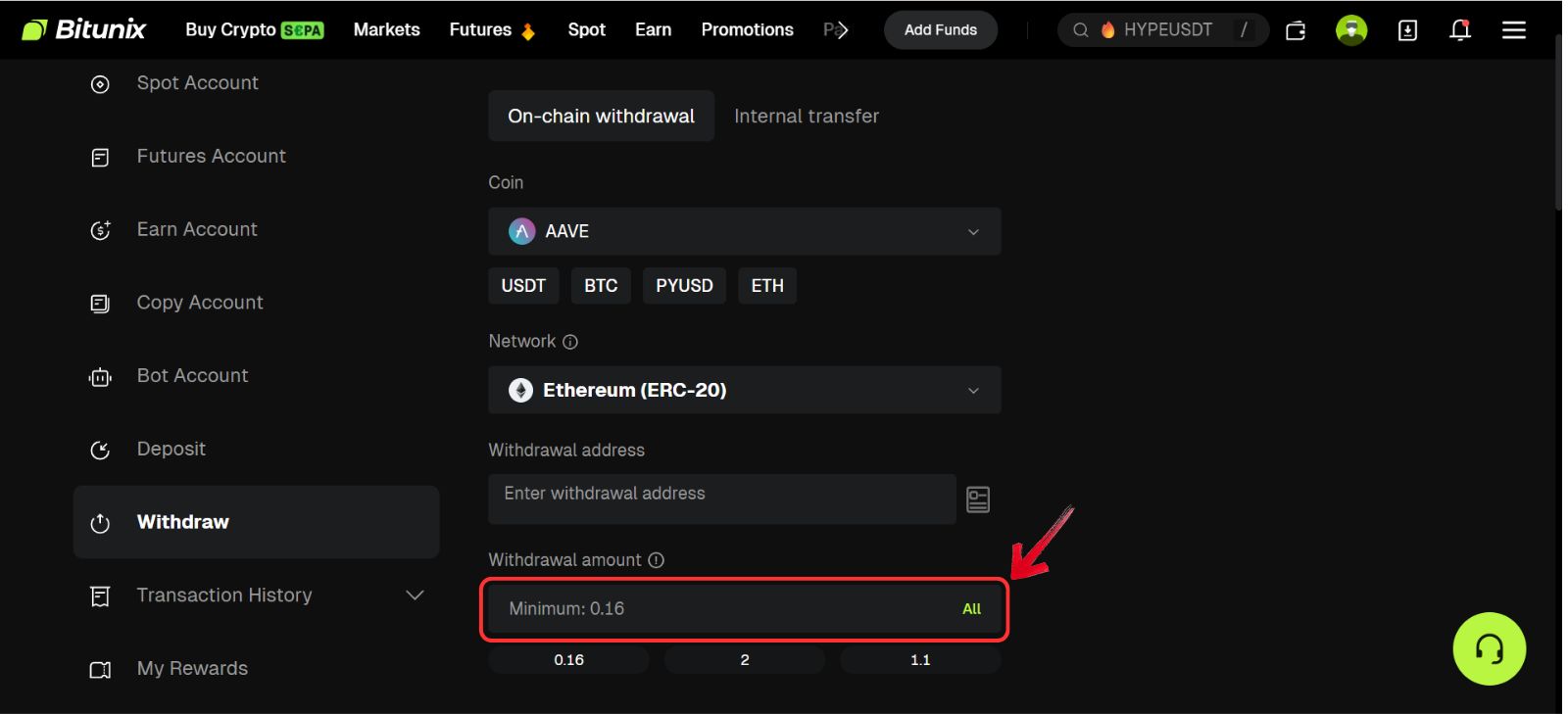
Step 6: Enter the amount of AAVE tokens you want to transfer in the Withdrawal Amount box.
Step 7: Carefully review the wallet address, selected network, and withdrawal amount. Once everything looks correct, click Withdraw to complete the transfer.
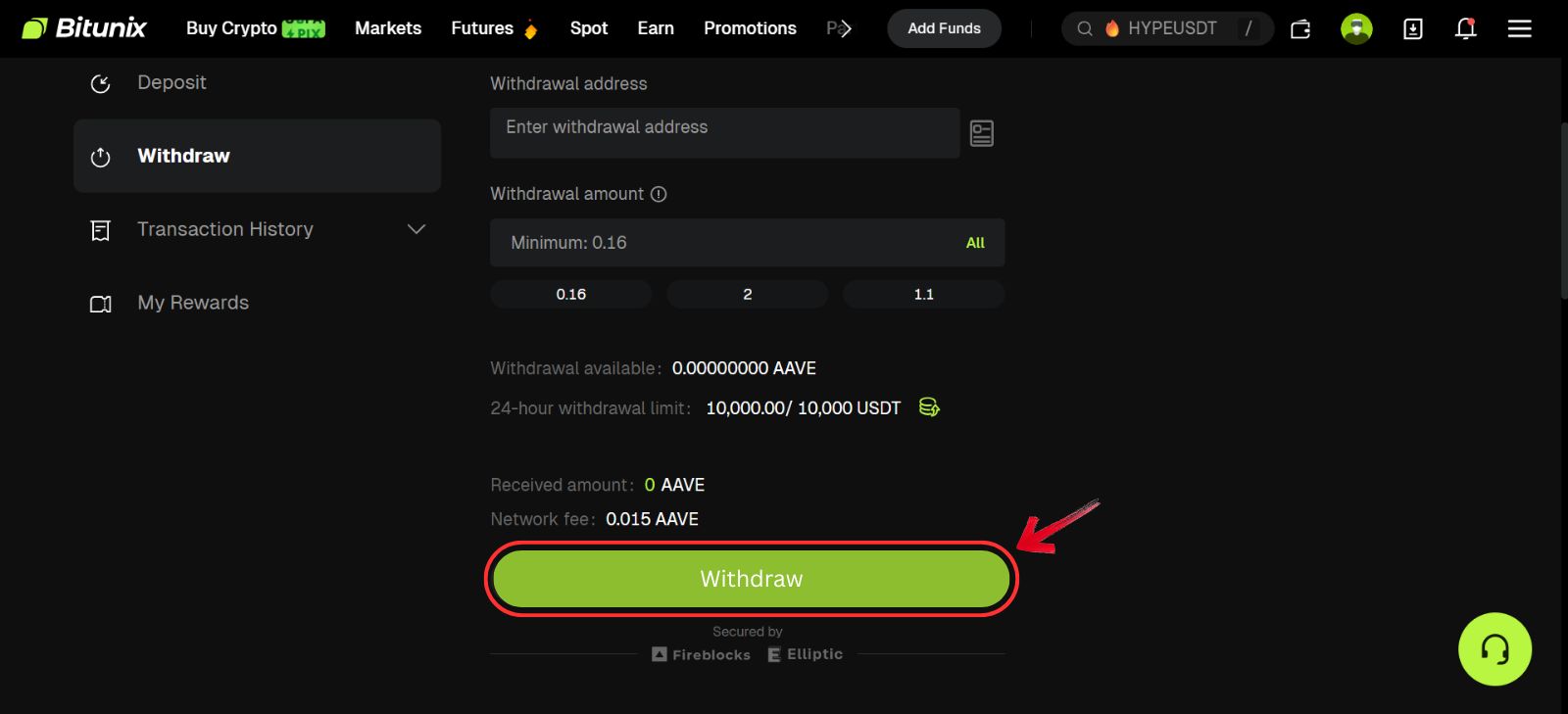
Withdrawals on the Ethereum network typically take around 5 minutes, depending on network congestion. Once the transaction is submitted, you can track it on Etherscan after confirmations appear.
Aave Explained
Aave is a decentralized lending protocol that allows users to supply crypto assets into liquidity pools to earn interest or borrow other assets by providing collateral. The platform operates through smart contracts, removing the need for banks or intermediaries.
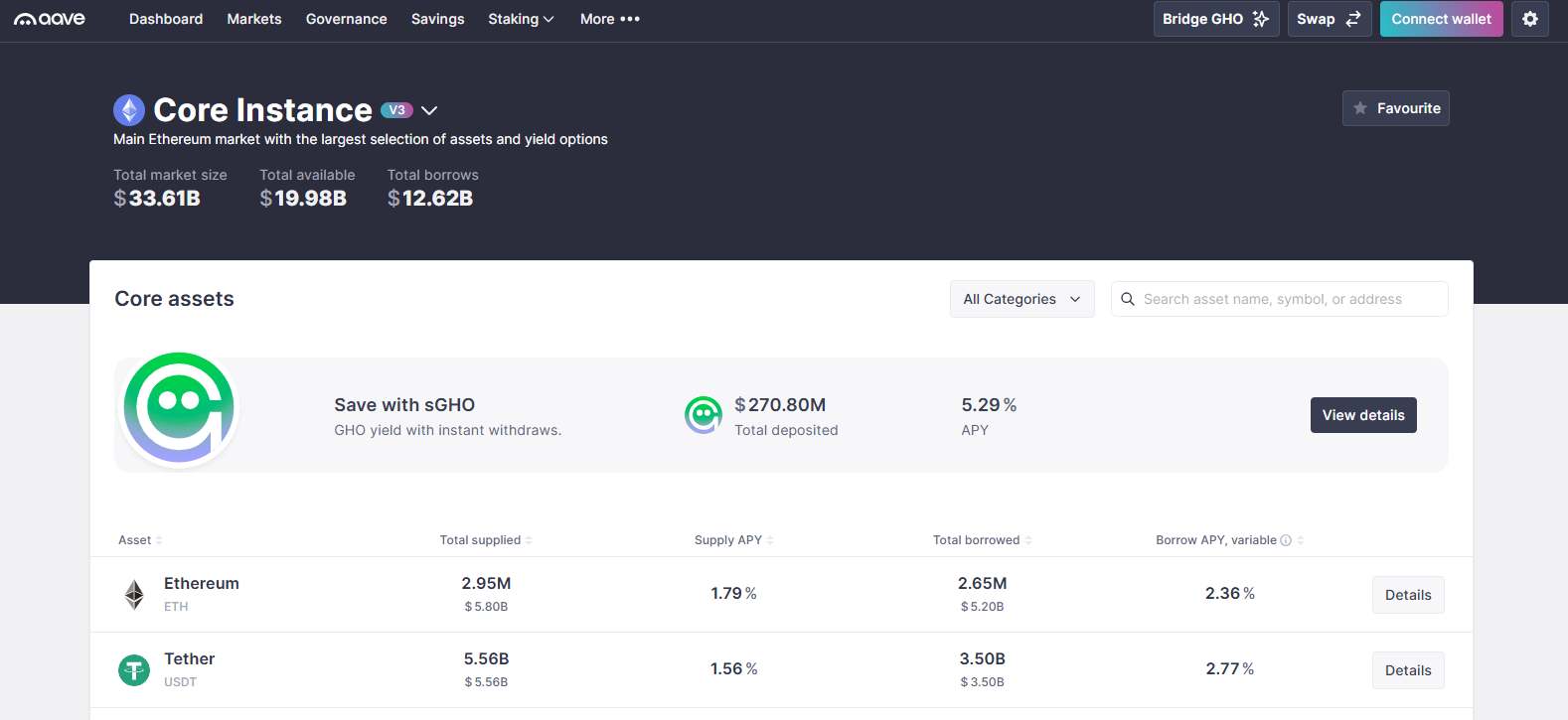
Originally launched as ETHLend in 2017, the project later evolved into Aave and introduced pooled liquidity, flash loans, and multichain support. The current Aave V3 upgrade improved capital efficiency and added stronger risk controls. Today, users rely on Aave for borrowing, lending, liquidity access, and governance participation, making it one of the most widely used financial protocols in decentralized finance.
Read more: AAVE Price Prediction
Bottom Line
Aave remains one of the most established protocols in decentralized finance, which is why many users continue to buy AAVE tokens. The platform supports lending, borrowing, and governance participation while also allowing holders to stake AAVE in the Safety Module for protocol security incentives. Its multichain expansion, continued development, and strong liquidity have kept it among the most active lending platforms in crypto. Because of this role in the ecosystem, AAVE is often mentioned alongside other top DeFi tokens in the market.
FAQs
1. What is the AAVE token used for?
AAVE is the governance and utility token of the Aave protocol. Holders can vote on upgrades, risk parameters, and new assets. It can also be staked to help secure the protocol and earn incentives.
2. Should I hold or stake AAVE?
That depends on your goal. Some users simply hold AAVE for price exposure, while others stake it in the Safety Module to earn yield and protocol incentives.
3. Is AAVE considered a long-term crypto asset?
Many investors view AAVE as a long-term DeFi asset because the protocol remains one of the largest lending platforms, with strong liquidity and continued development such as upcoming upgrades and new features.
4. Can AAVE reach $500 or $1000 in the future?
Price predictions vary widely. Some analysts suggest higher valuations could be possible if interest returns to crypto markets and the Aave ecosystem continues expanding.