


-
- •UNI is the governance token of Uniswap and allows holders to participate in protocol voting.
- •Users can buy UNI on exchanges like Bitunix through the UNI/USDT spot trading pair.
- •UNI can be transferred to Web3 wallets such as MetaMask to use in DeFi applications.
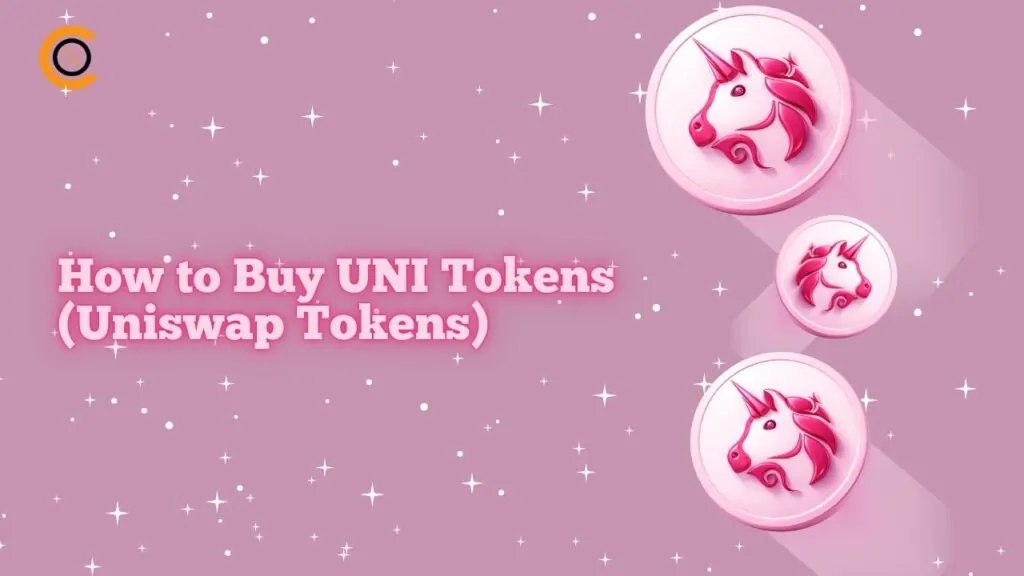
DeFi Summer is a period many people in crypto still remember clearly. It was the early phase when decentralized finance projects were still developing, yet adoption began accelerating quickly. One of the earliest platforms to gain attention during that time was Uniswap, a decentralized exchange built on Ethereum that allows users to trade tokens directly from their wallets without relying on a centralized platform. Over time, Uniswap became one of the most widely used protocols for on-chain token swaps. In this guide, we will look at the best exchanges where you can buy UNI, the governance token that powers the Uniswap ecosystem.
Where to Buy Uniswap
Ever since its airdrop, the UNI token has been listed on a large number of cryptocurrency exchanges. In fact, it is harder to find a major exchange that does not support Uniswap trading pairs because of the token’s popularity across the DeFi ecosystem.
However, choosing where to buy UNI should still be a careful decision. Not every exchange offers the same level of security, liquidity, or user protection. It is also worth considering accessibility in your region, fee structures, and what additional features the platform provides. Some exchanges allow UNI staking, while others include futures markets, margin trading, or advanced trading tools.
Below, we look at some of the main exchanges where you can buy Uniswap and what each one offers.
How to Buy $UNI on Bitunix
UNI is available on many exchanges, but we chose Bitunix because it combines accessible trading conditions with useful features for both spot and derivatives traders. Bitunix supports UNI on the spot market while also allowing traders to access UNI perpetual contracts with leverage of up to 200x for those who want to trade price movements instead of holding the token directly.
The platform keeps trading costs competitive, with spot fees set at 0.08% for maker orders and 0.10% for taker orders. New users can also win upto $5,500 in bonuses using a valid Bitunix referral code. Bitunix follows an optional KYC approach, meaning users can start trading without immediate identity verification, while still maintaining a strong reputation and a high trust score across major tracking platforms.
Below are the steps to buy UNI on Bitunix using the spot market.
Step 1: Visit the official Bitunix website and create your account to begin trading.
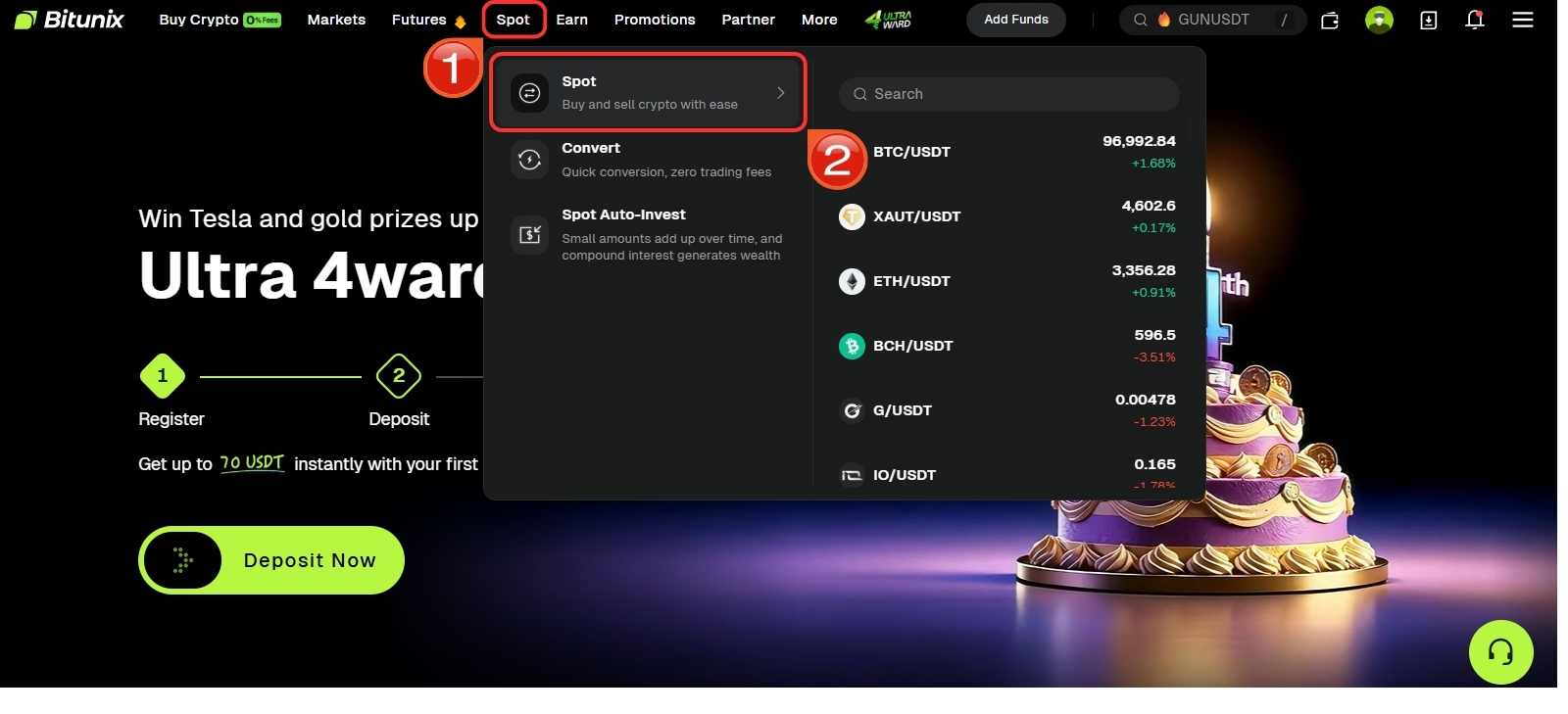
Step 2: After logging in, move to the top navigation menu, hover over the Spot section, and open the Spot trading interface.
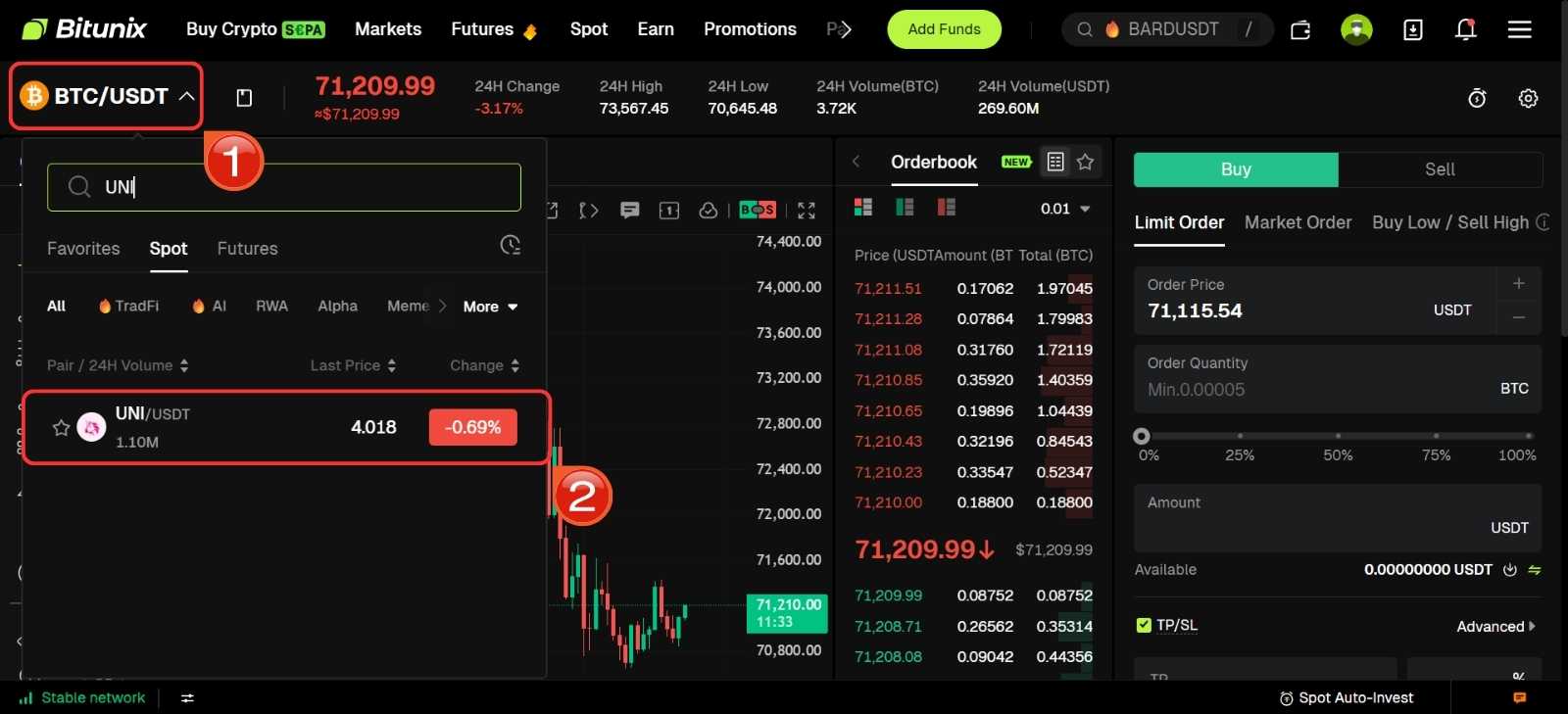
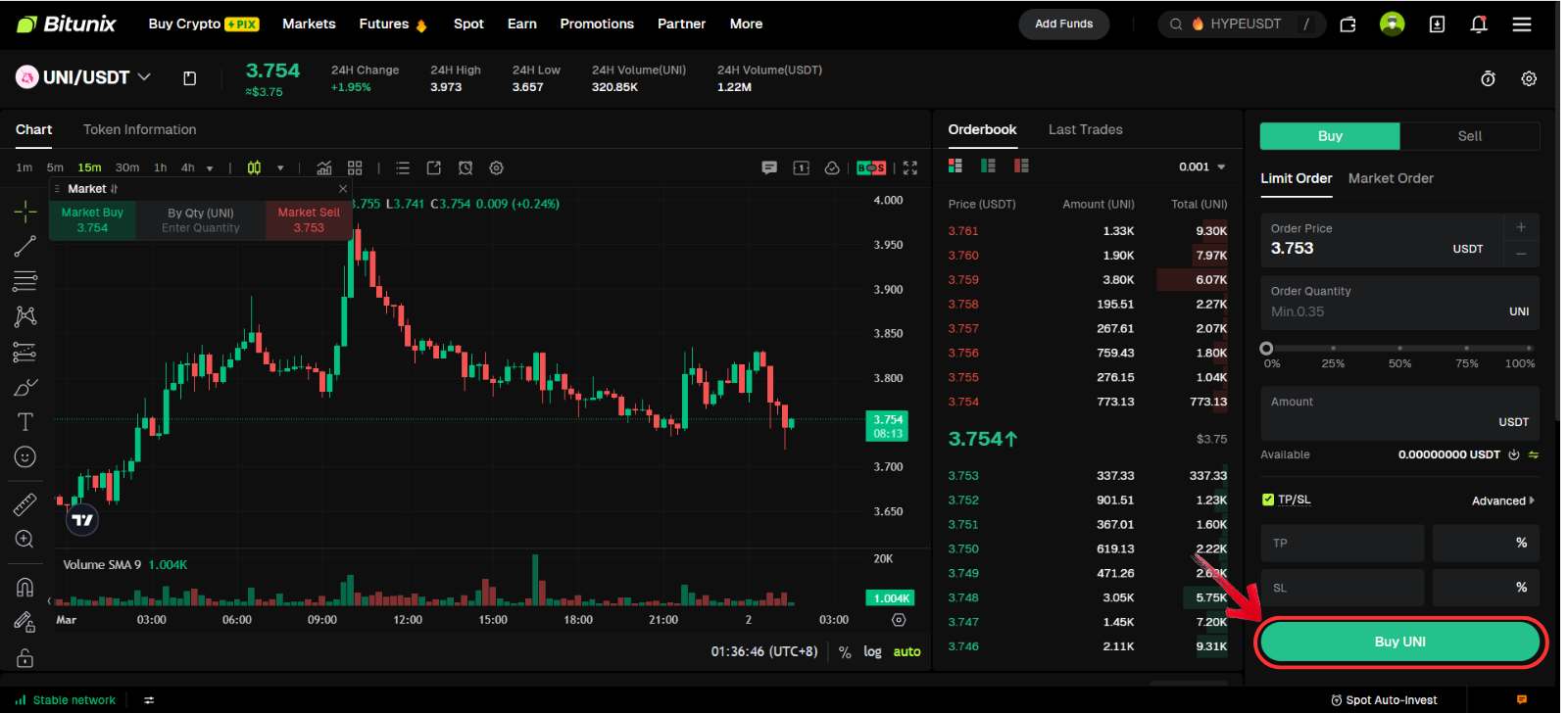
Step 3: Inside the trading page, open the asset list, search for UNI, and select the UNI/USDT trading pair.
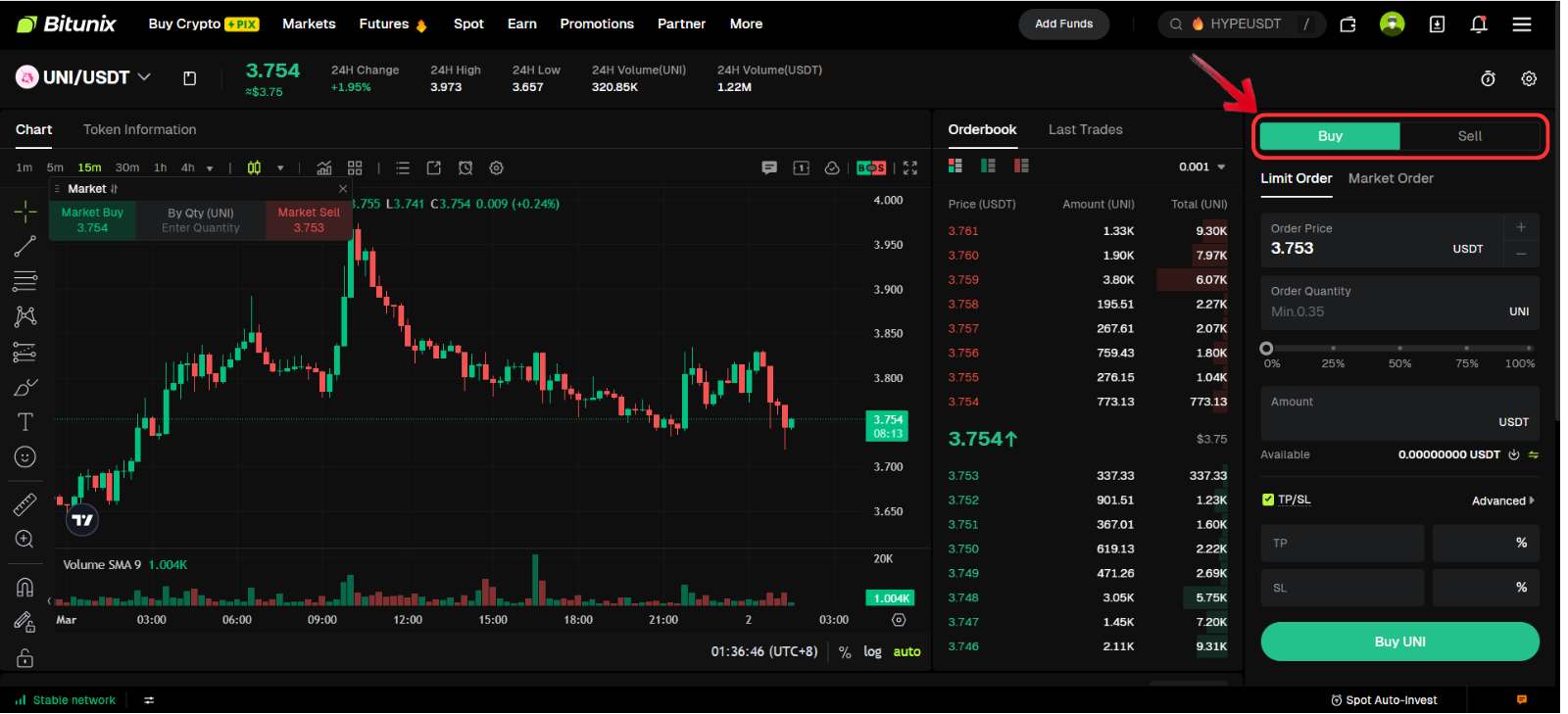
Step 4: Locate the Buy/Sell panel on the right side and choose whether you want to place a Market order or a Limit order.
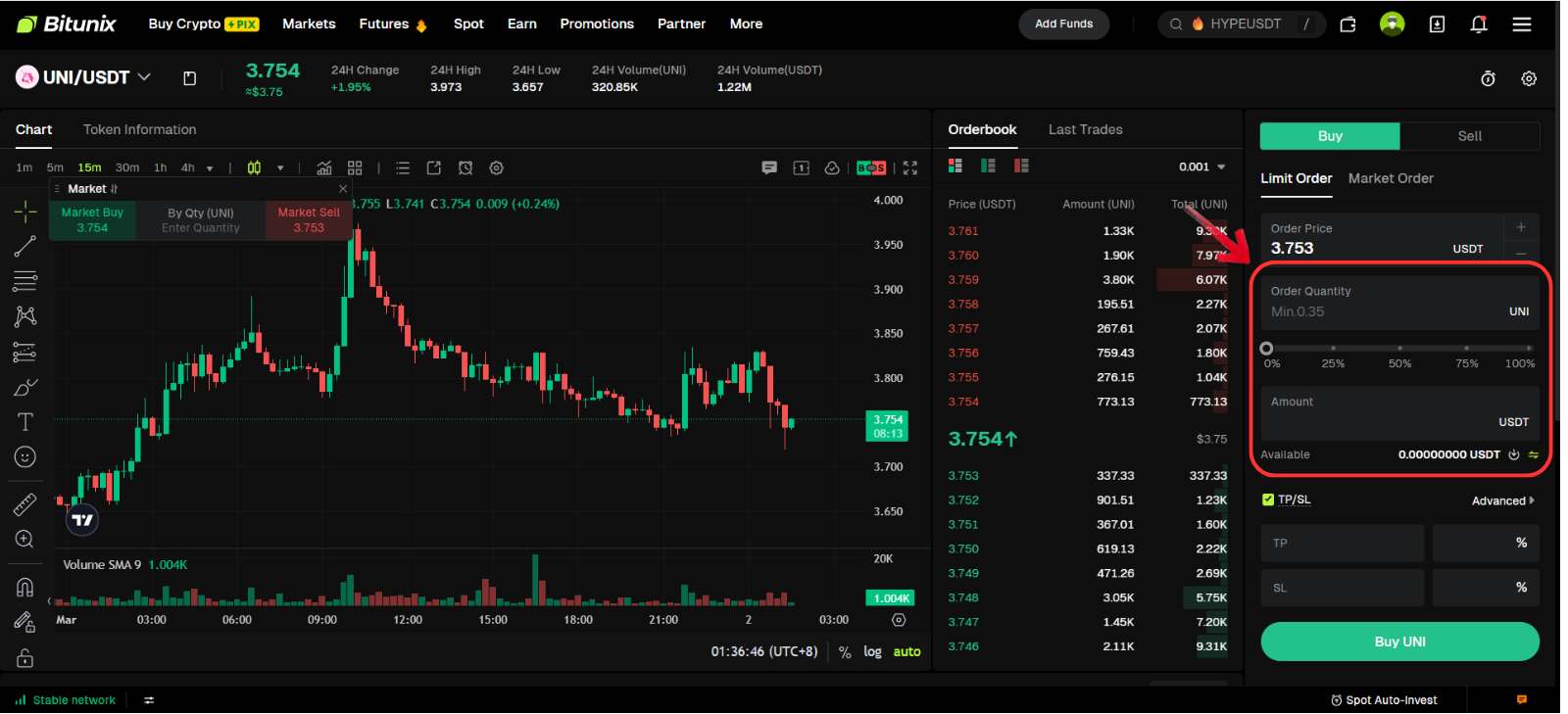
Step 5: Enter the amount of UNI you want to purchase or input the amount of USDT you want to spend. You can also adjust the position using the slider.
Step 6: Review the order details carefully and click Buy UNI to complete your purchase.
Fees When Buying Uniswap on Bitunix
Bitunix currently charges 0.08% maker fees and 0.10% taker fees on spot trades. This means the amount you pay depends on the type of order you place while buying UNI.
For example, if you place a limit order worth $1,000 for the Uniswap token, the maker fee of 0.08% would result in a trading cost of $0.80. On the other hand, if you place a market order of $1,000, the taker fee of 0.10% would result in a fee of $1 for the transaction.
How to Transfer $UNI to a Web3 Wallet
Many users eventually choose to move their UNI tokens to a Web3 wallet, either to maintain full control over their funds or to use them across DeFi applications. UNI itself serves as the governance token of the Uniswap protocol, allowing holders to participate in community proposals and voting decisions. Beyond governance, several DeFi platforms also accept UNI as collateral for lending or other financial activities.
Because of these use cases, keeping UNI on an exchange wallet may not always be the preferred option for users who plan to interact with DeFi protocols. Since Uniswap operates on the Ethereum network, one of the most widely compatible wallets for storing and using UNI is MetaMask.
Below are the steps to transfer your UNI tokens from an exchange to MetaMask.
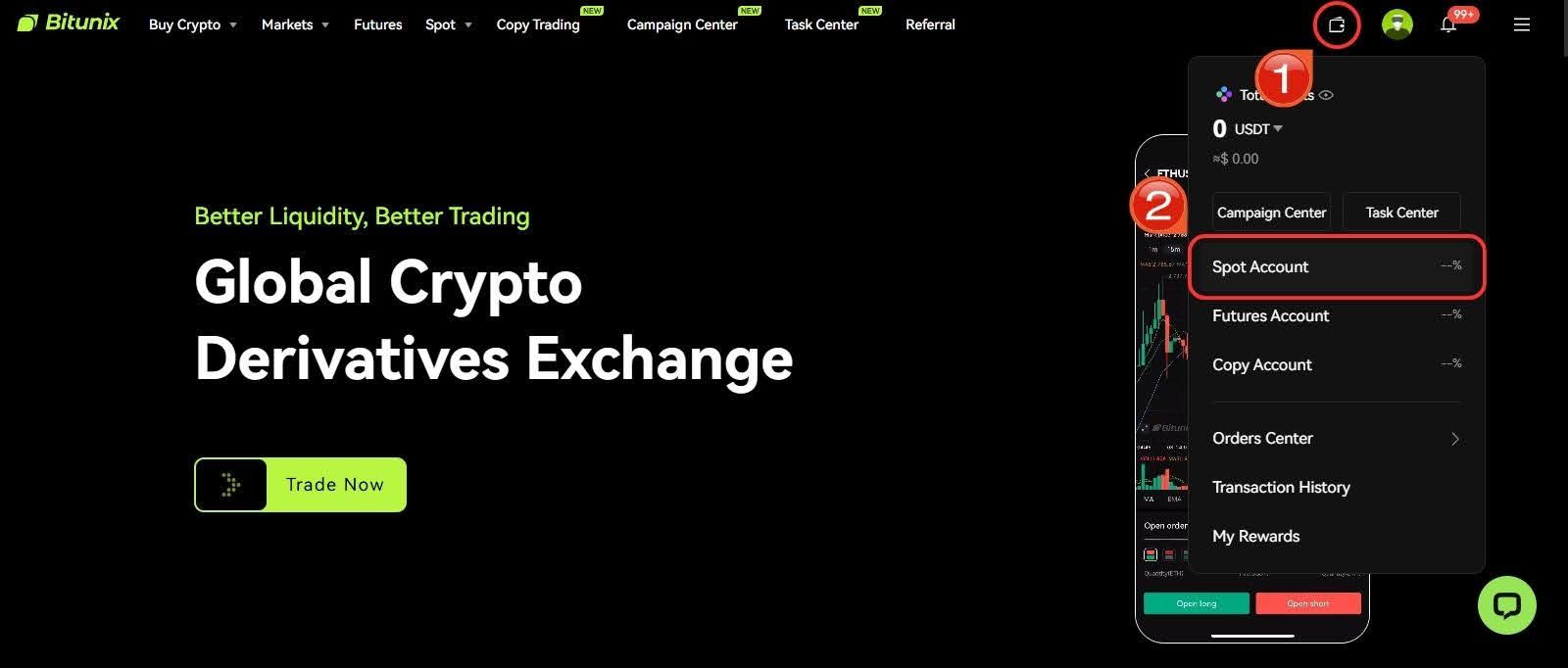
Step 1: Move your cursor over the Wallet icon in the top navigation bar, then choose Spot Account from the dropdown menu.
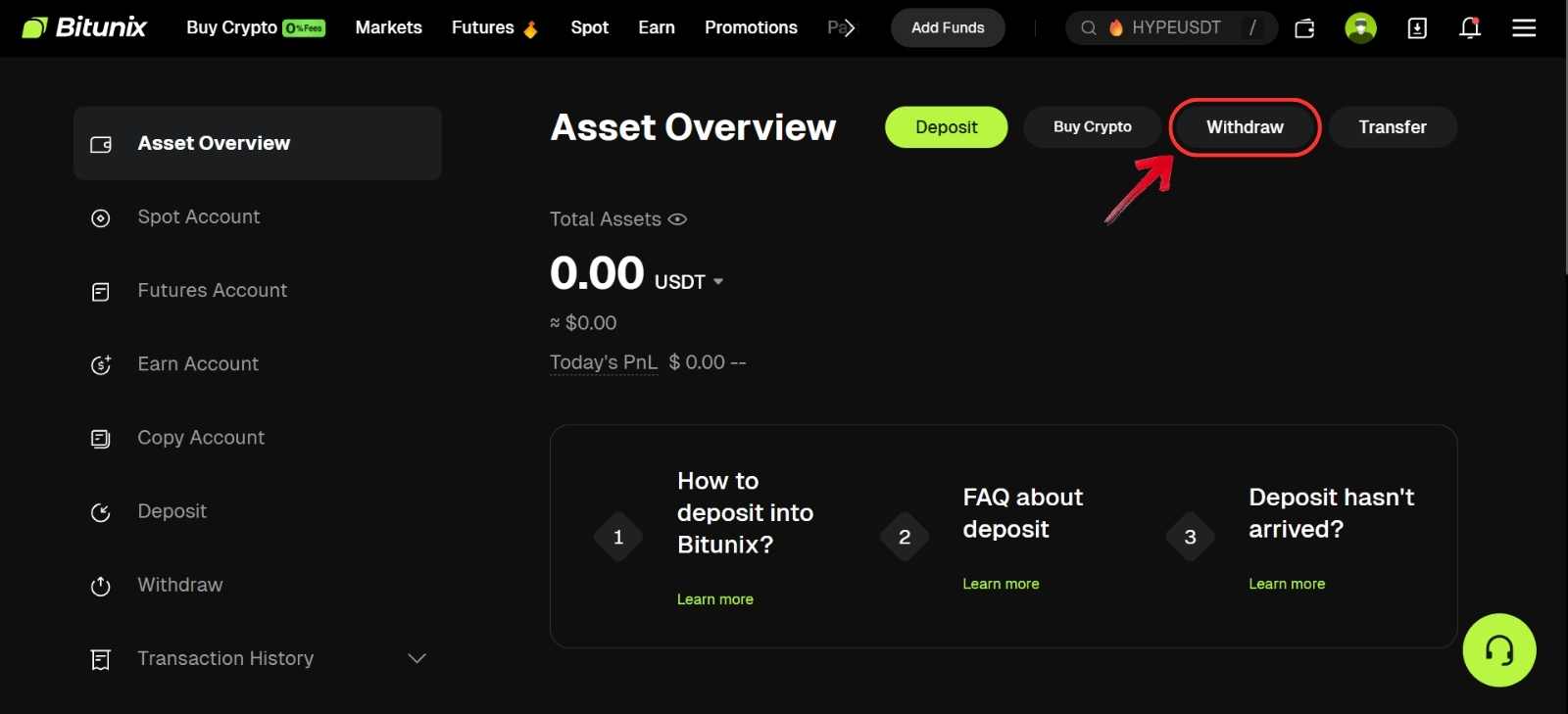
Step 2: Inside the Spot Account dashboard, head over to Asset Overview, and click Withdraw button.
Step 3: You will be redirected to the withdrawal page. Make sure the Coin field is set to UNI.
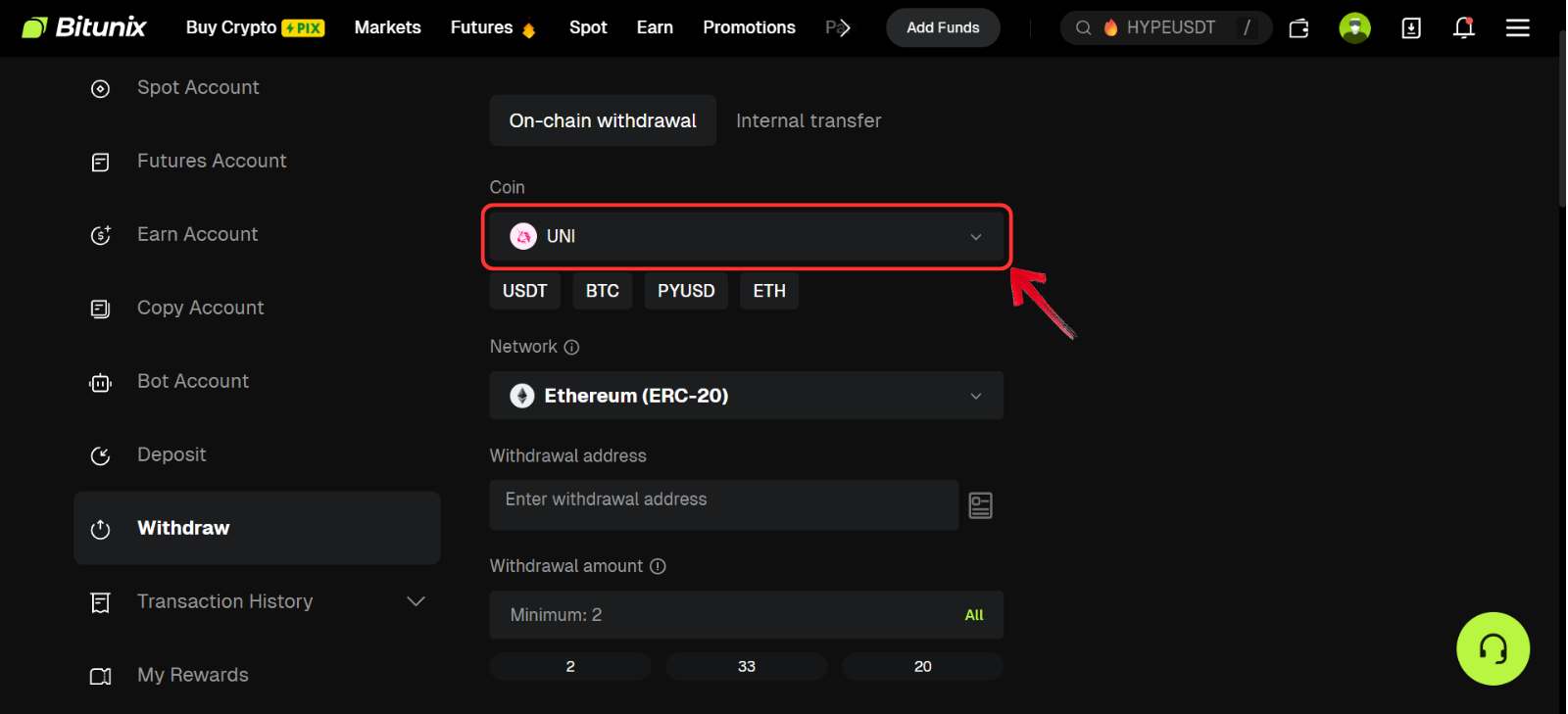
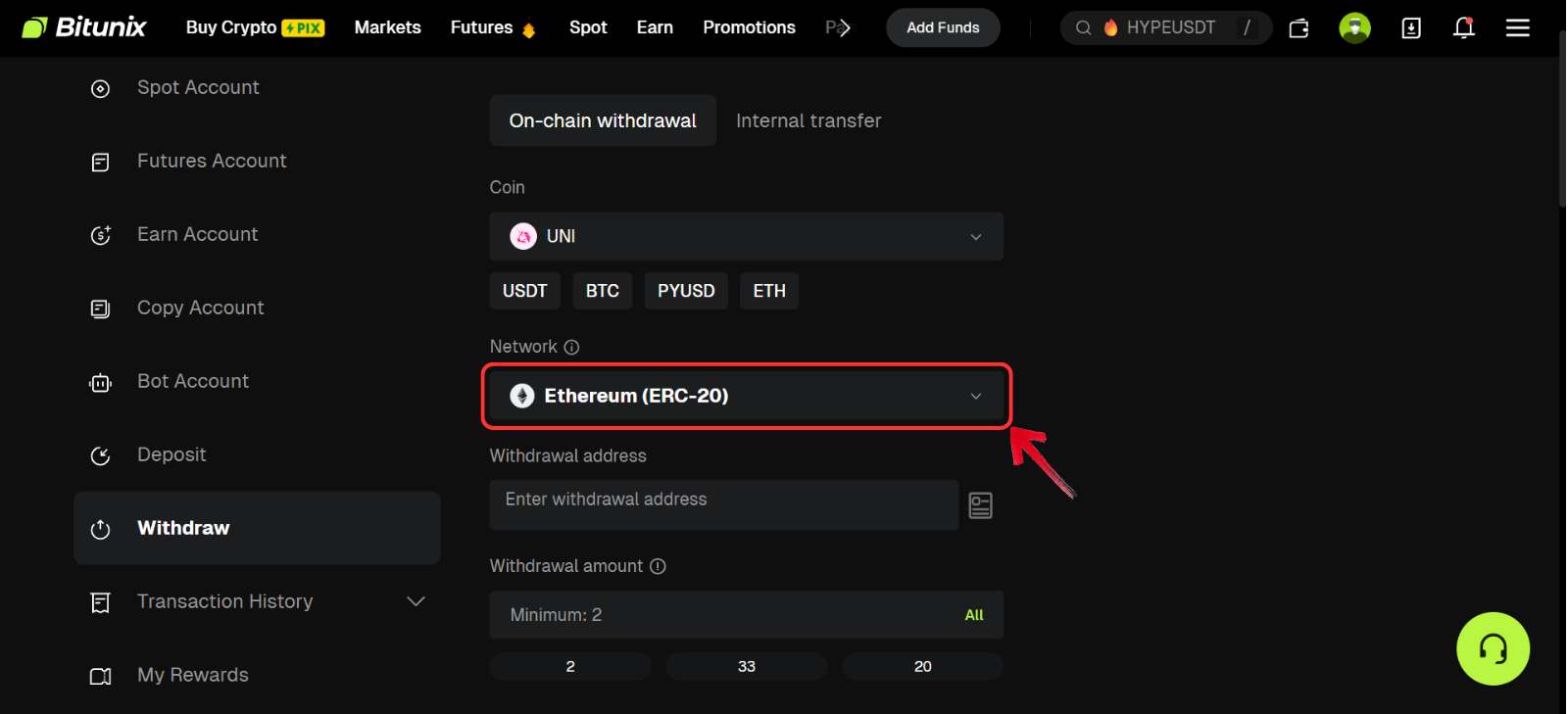
Step 4: From the Network dropdown menu, select the Ethereum (ERC-20) network, which matches the receiving network in your wallet.
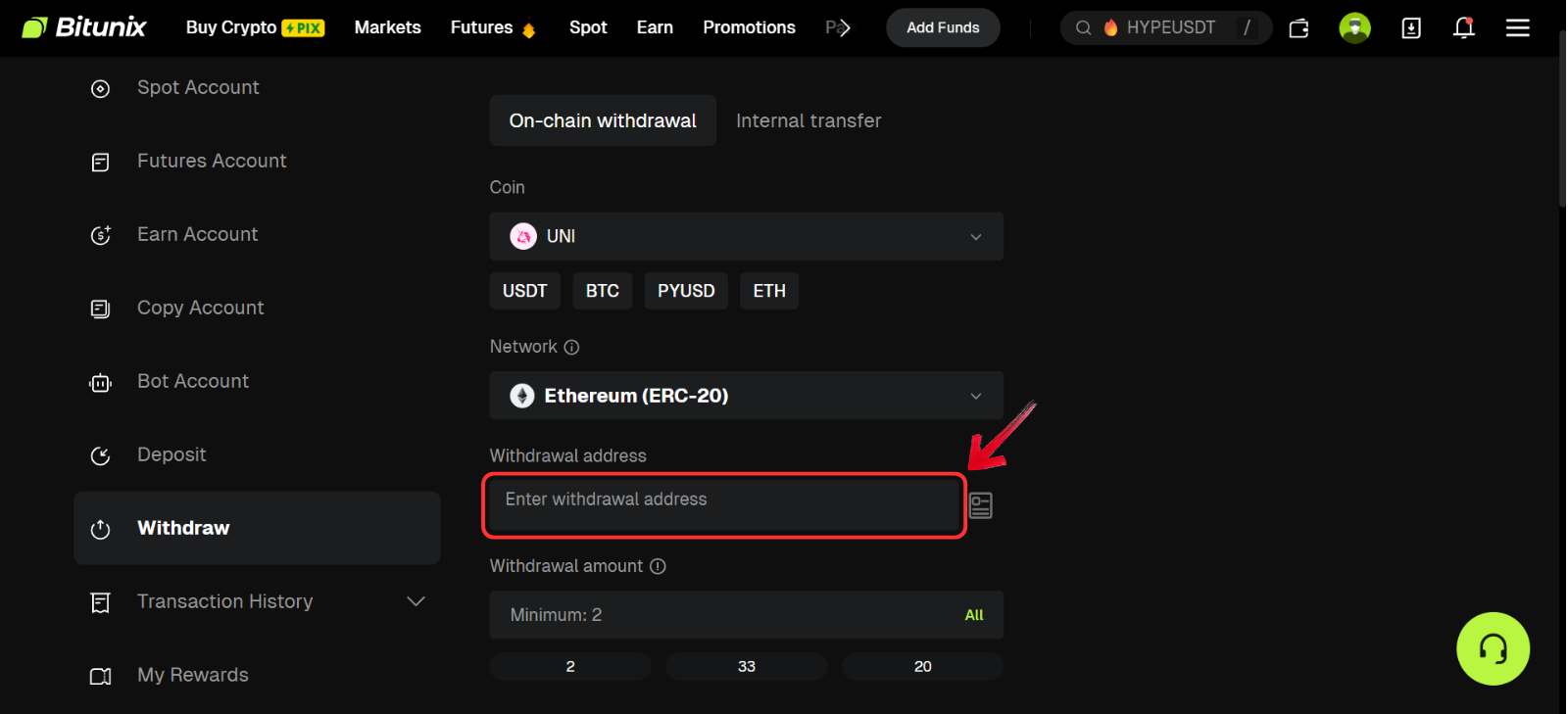
Step 5: Open your MetaMask wallet, copy your Ethereum receiving address, and paste it into the Withdrawal Address field on Bitunix.
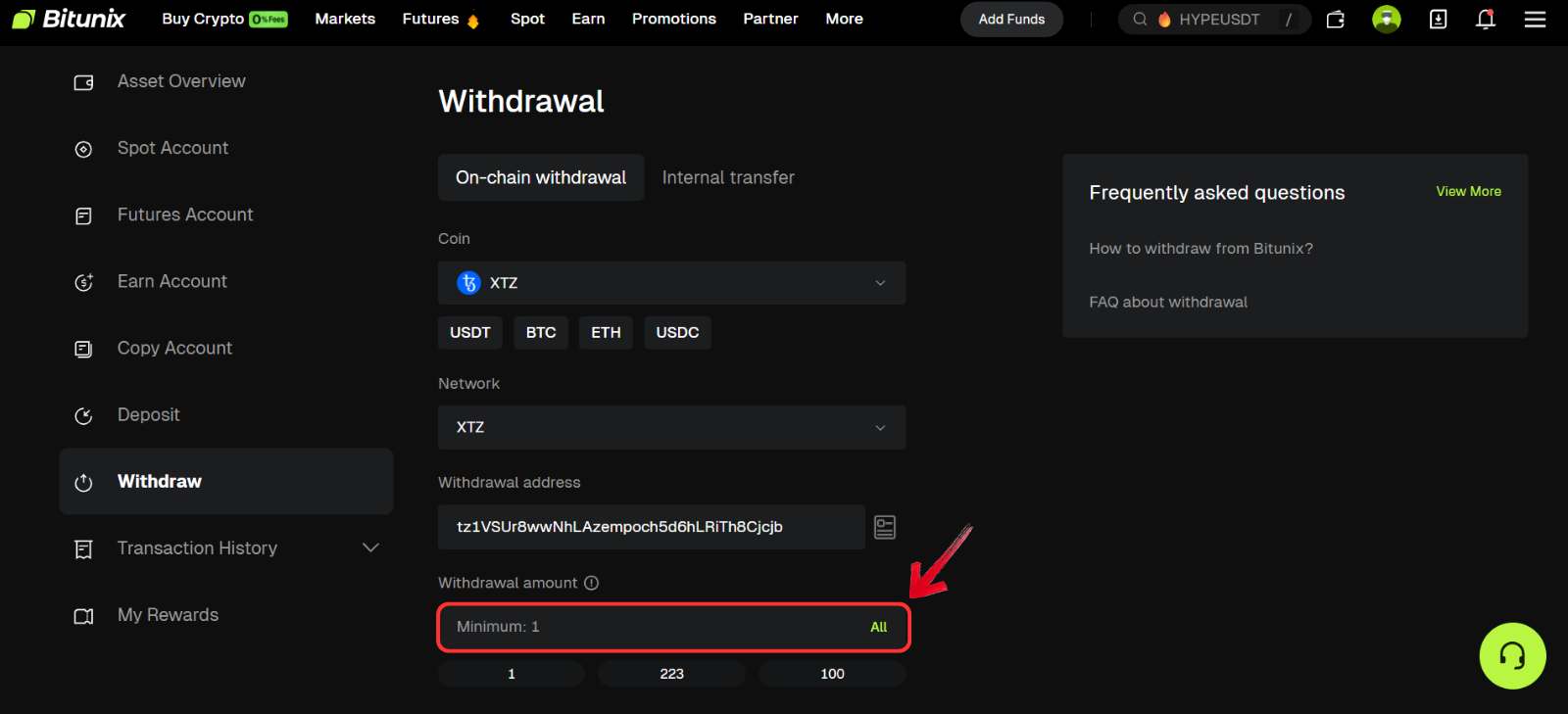
Step 6: Enter the amount of UNI tokens you want to transfer in the Withdrawal Amount box.
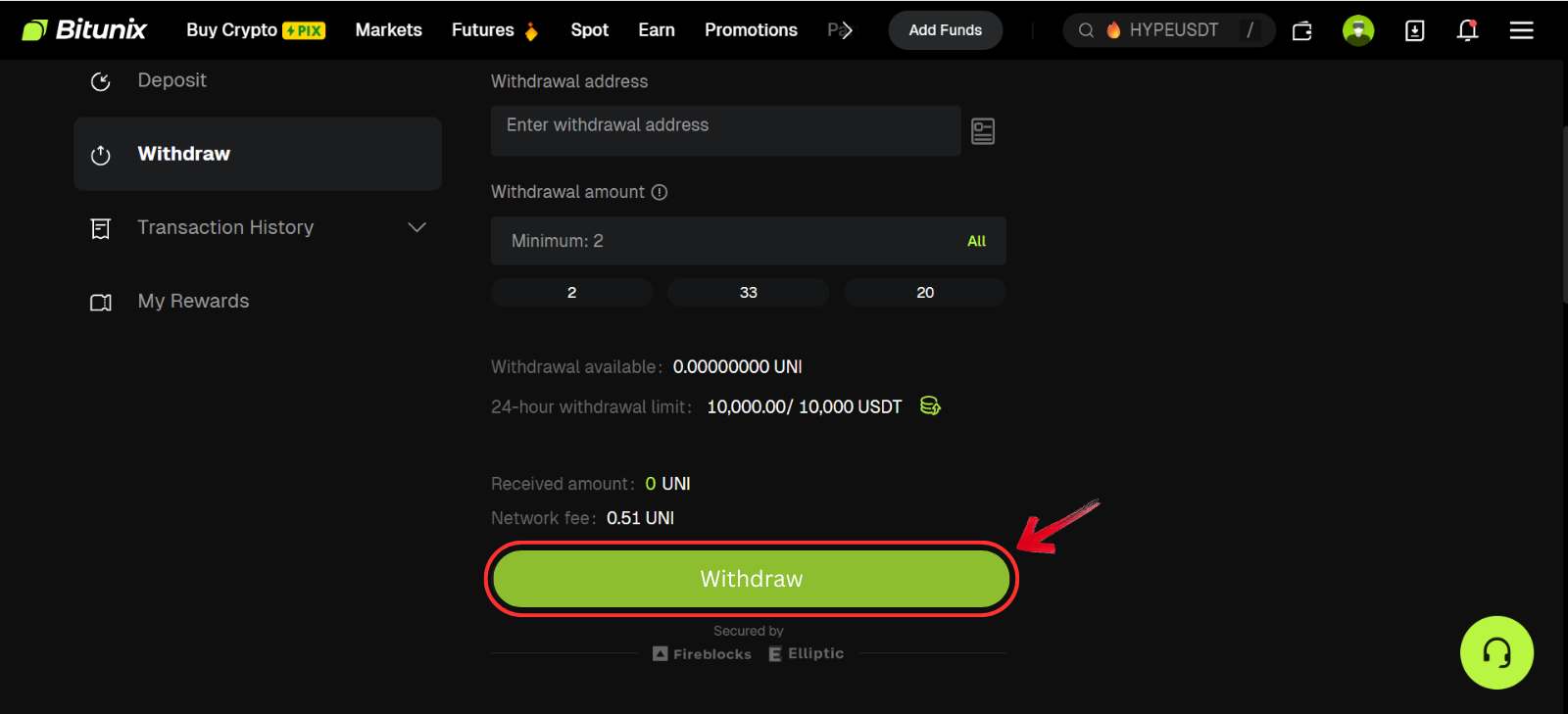
Step 7: Carefully review the wallet address, selected network, and withdrawal amount. Once everything is correct, click Withdraw to complete the transfer.
Withdrawals on the Ethereum network usually take up to 5 minutes to complete, depending on network congestion. Once the transfer is submitted, you can track the transaction using Etherscan after it receives confirmations on the network.
Uniswap Explained
Uniswap is one of the most widely used decentralized exchanges in crypto. Built originally on Ethereum, it allows users to swap tokens directly from their wallets without creating accounts or completing identity verification. Instead of a traditional order book, Uniswap uses liquidity pools where users deposit token pairs that power automated trading. Prices adjust automatically based on supply and demand within each pool.
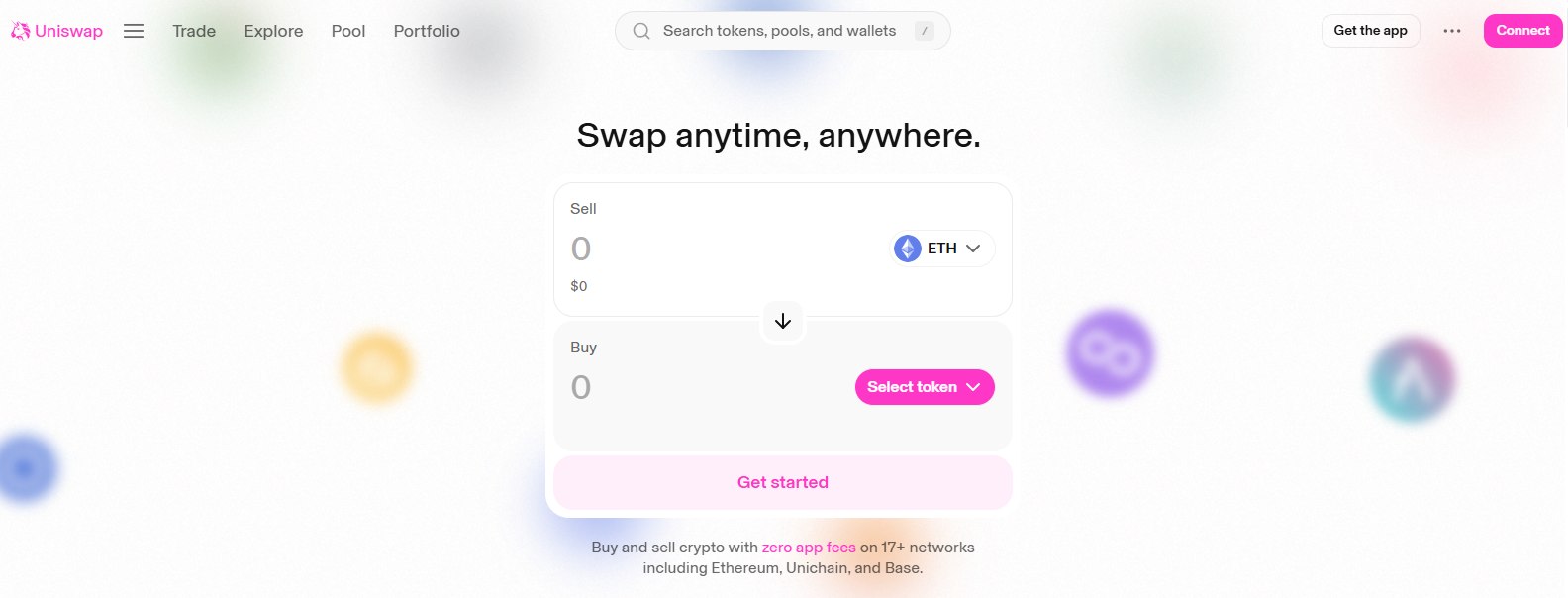
Over time, the protocol has evolved through multiple upgrades. Uniswap V3 introduced concentrated liquidity to improve capital efficiency, while Uniswap V4 added customizable pool logic and gas optimizations. People use Uniswap mainly for self-custody trading, access to thousands of tokens, and permissionless DeFi liquidity.
Bottom Line
Uniswap continues to move closely with the growth of the Ethereum ecosystem. As more activity, liquidity, and new protocols develop on Ethereum and its Layer-2 networks, trading volume and liquidity on Uniswap tend to increase as well. This connection is one of the main reasons many users continue to Buy UNI tokens, since UNI represents governance participation in one of the most widely used decentralized exchanges. It also remains frequently discussed alongside other top DeFi tokens shaping the broader decentralized finance market.
FAQs
1. What is the UNI token and what does it do?
UNI is the governance token of Uniswap. Holders can vote on protocol upgrades, treasury spending, fee parameters, and other ecosystem decisions.
2. Can I earn yield or staking rewards with UNI?
UNI does not have a traditional staking system. Most users earn through liquidity provision on Uniswap pools or by benefiting from token burns that reduce supply over time.
3. How do I participate in UNI governance?
To participate in governance, you must hold UNI tokens and move them to a Web3 wallet such as MetaMask. You can vote directly or delegate your voting power.
4. Is UNI considered a long-term investment?
UNI is often discussed as a major DeFi governance token because of the trading activity on Uniswap. Its value is generally linked to usage of the protocol and broader DeFi market activity.