



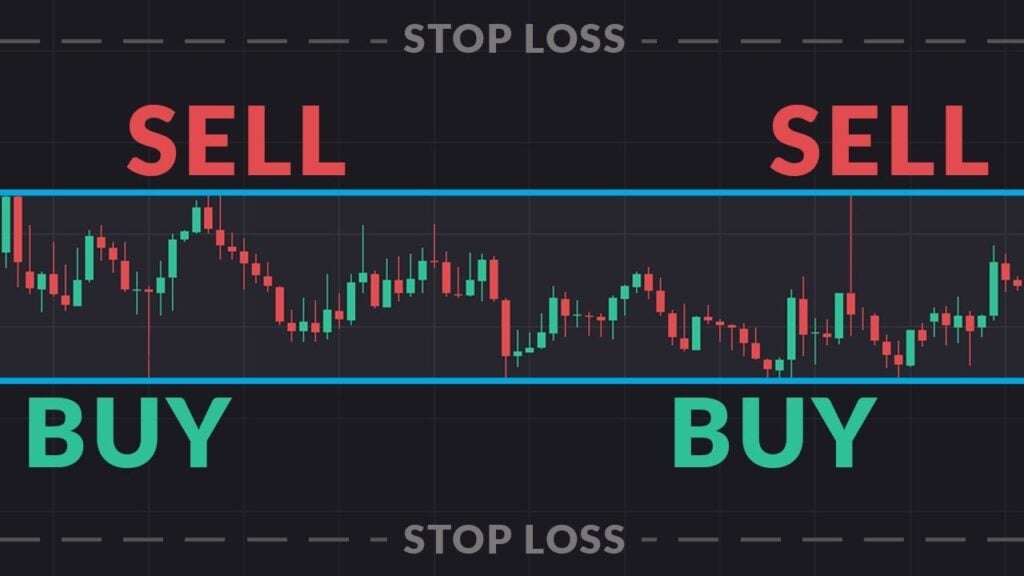
- •The risk-to-reward ratio compares planned loss with targeted profit before a trade is opened.
- •Traders calculate the ratio using their entry, stop-loss, and take-profit levels.
- •Risk-to-reward and win rate should be assessed together when evaluating a trading strategy.
- •Predefined exits help traders follow their plan instead of making emotional decisions.
- •The appropriate ratio depends on the strategy, backtested results, and actual trading costs.
Every time you speak with experienced traders, they rarely point to a secret indicator or perfect setup. They talk about rules, discipline, and protecting capital. Trading should not be approached without clear boundaries, especially in crypto, where prices can move sharply within minutes. A complete setup and strategy do not guarantee a 100% win rate, but they improve consistency and keep losses manageable. In this article, we cover the most important rules for crypto trading followed by successful traders and the advice they have for anyone starting out or still finding their approach.
1. Build a Complete Trading Plan
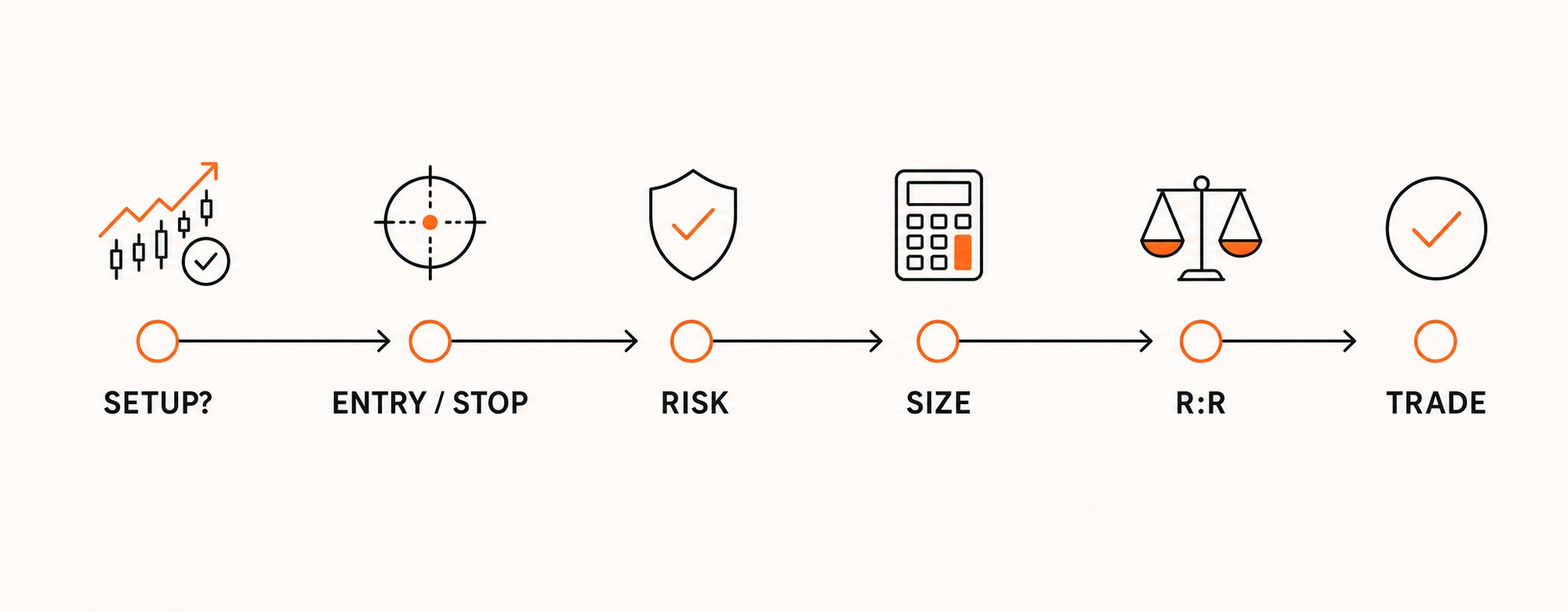
A trading plan turns an idea into a defined set of decisions. Before entering a position, determine what you are trading, which timeframe matters, what confirms the entry, and where the setup becomes invalid. Your stop-loss, profit target, position size, and maximum acceptable loss should all be decided before money enters the market.
A simple trading system should define:
- Market and trading pair
- Trading timeframe
- Entry conditions
- Invalidation level
- Stop-loss placement
- Profit target
- Position size
- Conditions for avoiding trades
The exchange is also part of this system. Fees, spreads, available order types, leverage limits, liquidity, and stop-loss functions can affect how accurately your plan is executed. Exchange reviews help you examine these details before placing capital on a platform.
A plan does not need to include dozens of indicators. It needs rules that are clear enough to follow when the trade becomes active. When too many decisions are left until after entry, emotions usually fill the gaps.
2. Use Proper Risk Management
Risk management begins by deciding how much of your account you are prepared to lose if the trade fails. Many traders limit risk to around 1% per position, although the percentage should reflect account size, experience, strategy, and personal risk tolerance.
Risk per trade is not the same as position size. A $1,000 position does not necessarily place the entire $1,000 at risk. The amount at risk depends on the distance between your entry and stop-loss. A wider stop requires a smaller position, while a closer stop may allow a larger position without increasing account risk. A position size calculator helps apply this relationship consistently.
Your stop-loss should sit where the original trade idea becomes invalid, preferably well before the liquidation price when leverage is involved. If that stop is reached, the risk-management part of your system has worked as intended.
Every trader experiences losing positions. A controlled loss is not evidence of failure, just as one profitable trade is not proof of skill. The real objective is to prevent any individual loss from causing serious damage to your account.
3. Assess Risk and Reward
Before entering a trade, compare how much you could lose with how much you expect to make. A 1:2 risk-to-reward ratio means accepting $1 of risk for $2 of expected reward. This allows you to judge whether the setup offers enough return to justify the downside.
The ratio should be based on actual chart levels. Place the stop where the setup becomes invalid and the target where price could reasonably reach based on market structure, support, resistance, liquidity, or your tested exit method. Moving either level simply to create a more attractive ratio makes the calculation meaningless.
A risk-to-reward calculator helps compare the entry, stop-loss, and profit target before an order is placed. Trading fees, spreads, slippage, and funding payments should also be considered because they reduce the final result.
A higher ratio does not automatically make a trade better. The target still needs to be realistic, and the ratio must be considered alongside win rate. What matters is how both measurements perform across many trades rather than how one position ends.
4. Control Emotional Decisions
Emotions are not completely removable from trading, but they should not be allowed to control execution. FOMO can push you into a position after price has already moved, while fear may cause you to exit before your setup is invalidated. Overconfidence after several profitable trades can be just as damaging because it often leads to larger positions and weaker entry standards.
The simplest protection is to make important decisions before entering. Once the trade is active, compare every action with the original plan. If nothing in the setup has changed, an emotional reaction is not a valid reason to interfere.
It is also important to separate decision quality from trade outcome. A well-planned trade can end in a loss, while an impulsive trade can make money through coincidence. The 2nd outcome is more dangerous because it rewards behaviour that may eventually damage the account.
When your thinking becomes rushed or you feel a need to act immediately, step away from the chart. Missing one move is less damaging than entering a trade you never planned to take.
5. Never Chase a Loss
Revenge trading often begins after several losses occur close together. The first loss feels manageable, the 2nd creates frustration, and the next trade becomes an attempt to recover money rather than execute a valid setup. Position sizes may increase, entry standards weaken, and the trader begins reacting to previous results instead of current market conditions.
An accidental win can make this habit more difficult to recognize. If an impulsive recovery trade succeeds, the trader may begin treating revenge trading as part of their strategy. The profitable outcome does not change the poor reasoning behind the decision.
Set a maximum daily loss or a limit on consecutive losing trades before starting a session. Once that limit is reached, stop trading and review what happened after your emotions have settled. Never increase position size, remove a stop-loss, or widen the invalidation level simply to avoid accepting a loss.
Adding to a losing position is only different when scaling entries were defined before the trade began. Without that preparation, it is usually an emotional attempt to improve an uncomfortable position.
| Decision Quality | Trade Outcome | What It Means |
|---|---|---|
| Followed the plan | Profit | Good execution |
| Followed the plan | Loss | Acceptable trading loss |
| Ignored the plan | Profit | Dangerous reinforcement |
| Ignored the plan | Loss | Avoidable mistake |
6. Avoid Overtrading
More trades do not automatically produce better results. Every additional position introduces fees, spread costs, and another opportunity to abandon your rules. Overtrading commonly occurs when the market is unclear, but the trader feels that remaining active is necessary.
Not every session provides a setup worth taking. If conditions do not match your system, finishing the day without a trade is a valid outcome. Fixed trading hours, entry filters, and daily trade limits can prevent boredom from turning into unnecessary exposure.
Keep your watchlist manageable and pay attention to correlation. Holding long positions in Bitcoin, Ethereum, and several altcoins may appear to be separate trades, but they can behave like one larger position when the entire crypto market declines.
A trading journal can show whether excessive activity is affecting performance. Record the reason for entry, risk, result, emotional state, and whether every rule was followed. Reviews should focus on decision quality rather than profit alone. Over time, this record shows which setups deserve attention and which trades were taken only because you wanted to remain active.
7. Prepare for Market Events
Crypto trades continuously, but economic announcements can still cause sudden changes in volatility. CPI, PPI, employment data, and FOMC decisions influence expectations about interest rates, liquidity, and investor risk appetite.
Markets do not react only to whether inflation rises or falls. The result is compared with expectations, while traders also consider previous figures, revisions, central-bank commentary, and what may happen next. A higher CPI reading is not automatically positive or negative for crypto, and an interest-rate decision cannot be interpreted without its surrounding context.
Checking an economic calendar before trading helps identify when major announcements are scheduled. Before a high-impact event, traders may avoid opening a new position, reduce exposure, or accept that spreads and price movement could become less predictable.
Preparation does not require predicting the announcement. It means knowing when additional volatility may arrive and deciding beforehand how your system handles it. Entering without that awareness can leave a technically valid setup exposed to an event that was already scheduled.
Choose the Right Exchange
Your exchange affects how accurately a trading system can be executed. Fees, spreads, liquidity, funding rates, leverage limits, and available order types can change the cost and outcome of every position.
Frequent traders need reliable execution, competitive fees, advanced order types, and sufficient liquidity, which are central considerations when comparing exchanges for day trading.
With very short holding periods, crypto exchanges for scalping need especially tight spreads and low fees because trading costs can consume much of each return.
Traders holding positions across several days should look for platforms ideal for swing trading, with dependable stop-loss orders, reasonable funding rates, and suitable market coverage.
Security history, withdrawal reliability, regional availability, and account-protection features also require attention. High leverage or promotional rewards should not outweigh weak security or unclear withdrawal conditions. The right exchange cannot make a trading system profitable, but the wrong one can introduce costs, slippage, and execution problems that the system never accounted for.
Bottom Line
Once you understand the rules for crypto trading, the market does not become predictable. What changes is how much control you retain when it moves against you. A stop-loss no longer feels like failure, a missed entry does not need to be chased, and a losing day does not need to become a damaged account. This is what separates following a trading process from reacting to every candle. The aim is not to win every trade, but to remain consistent enough for your system to be measured honestly over time.
FAQs
1. What is the most important rule in crypto trading?
Protect your trading capital. Define how much you can lose before entering and size the position so one failed trade cannot seriously damage your account.
2. What is the 1% rule in trading?
The 1% rule limits the loss from one trade to 1% of the total account. It refers to account risk, not the amount used to open the position.
3. Should every crypto trade have a stop-loss?
Every trade should have a predefined exit if the setup becomes invalid. An automated stop-loss can execute that decision without waiting for an emotional response, although slippage may affect the final exit price.
4. How can traders stop revenge trading?
Set daily loss and consecutive-loss limits before the session. Once either limit is reached, leave the market and review the trades after the emotional pressure has settled.