


• Swiss gambling regulator GESPA accuses FIFA’s NFT platform of offering unlicensed gambling services.
• The complaint follows investigations showing paid participation and chance-based rewards on FIFA Collect.
• Swiss authorities will determine if FIFA’s blockchain activities violate the country’s gambling laws.
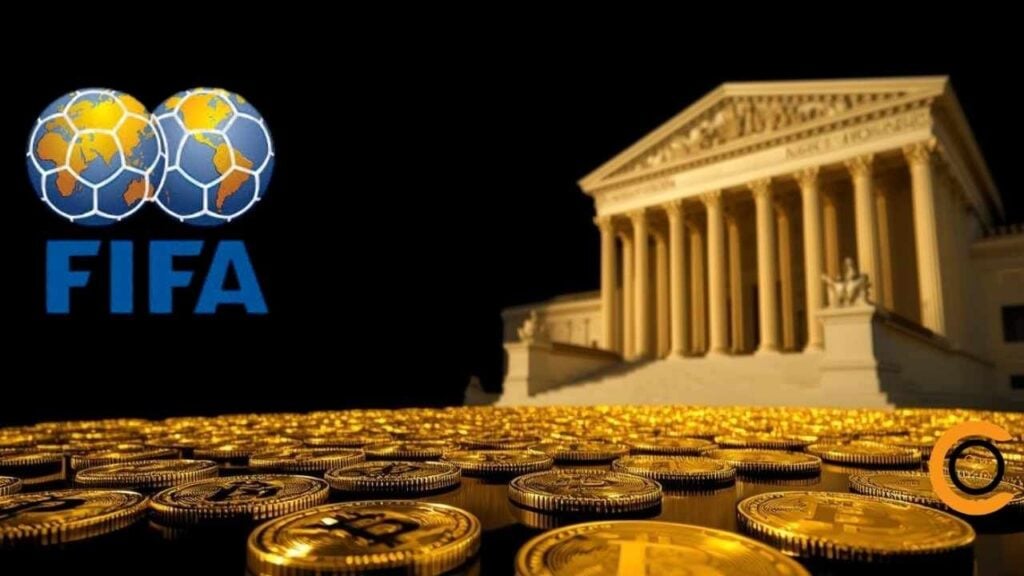
FIFA’s Non-Fungible token (NFT) ticketing and collectibles platform has come under legal scrutiny in Switzerland. The national gambling watchdog, GESPA, has filed a criminal complaint alleging unlicensed gambling operations.
Switzerland Gambling Regulator Files Complaint Against FIFA NFT Platform
Switzerland’s gambling regulator, the Swiss Gambling Supervisory Authority (GESPA), has filed a criminal complaint against football’s global governing body, the Fédération Internationale de Football Association (FIFA), over its blockchain-based collectible and ticketing platform, FIFA Collect. The move follows an investigation into whether the platform’s NFT-linked offerings constitute unlicensed gambling under Swiss law.
Investigations by GESPA, according to its statement, confirmed that collect.fifa.com provides services similar to gambling without authorization. The regulator noted that participation in FIFA’s NFT competitions often requires a monetary stake, with potential monetary rewards dependent on chance-based outcomes. “From a gambling law perspective, the offers in question are partly lotteries and partly sports betting”, GESPA said. The complaint, which states that the body files the complaint to notify the Competent Prosecution Authorities, has now been handed over to Swiss law enforcement authorities for further investigation and final verdict on the criminal status.
Inside FIFA Collect and Its Web3 Ambitions
FIFA Collect was launched ahead of the 2022 World Cup as part of FIFA’s Web3 initiative, giving fans the ability to buy, trade, and win digital collectibles tied to iconic football moments. The platform, originally built on Algorand before later migrating to Polygon and then Avalanche, allows users to participate in special challenges or buy “Right-to-Buy” (RTB) tokens. These tokens give holders early access to purchase tickets for specific World Cup matches, including the 2026 tournament in North America.
Under the RTB system, fans can buy tokens linked to national teams or specific match stages, such as the “Right to Final” token. Holders can purchase a final ticket only if the team represented by their token qualifies for the match.
GESPA’s complaint stems from the concern that such mechanisms resemble betting, since outcomes and potential ticket access depend on uncertain sporting results. The regulator had previously been reviewing the RTB model, initially emphasizing that no wrongdoing had been alleged. The recently released statement suggests that aspects of the offering violate Switzerland’s Federal Act on Gambling.
The International Football governing body had previously explained its use of NFTs as a way to modernize fan engagement and expand accessibility to collectible experiences. FIFA Chief Business Officer Romy Gai described the digital collectibles as “an accessible opportunity for fans around the world to engage with their favorite players and moments”.
Regulatory Scrutiny Tests FIFA’s Blockchain Exploration
FIFA’s foray into NFTs and blockchain has been one of the most ambitious in the sports industry, aiming to combine technology, fandom, and ticketing. However, the ongoing legal scrutiny highlights the regulatory uncertainties surrounding digital collectibles and their intersection with institutional standards.
The final decision on whether FIFA’s NFT activities breach Swiss regulations will now rest with the country’s law enforcement authorities.