



- • MEXC has the most coins, with 1,882 supported assets and 3,073 markets.
- • Some exchanges focus on fast listings, while others prioritize liquidity, security, and stricter listing checks.
- • Some new tokens appear first through launchpads, Alpha sections, DEX tools, or pre-market pages.
- • A high coin count is useful, but liquidity, fees, spreads, and KYC rules still matter.
- • The best Crypto Exchanges with Most Coins and Trading Pairs depend on how and what you trade.
Over the past few years, there has been a massive surge in crypto popularity, with every new project being marketed as the next breakthrough. This rise has also increased demand for access to new tokens, with traders always looking for crypto exchanges with most coins and trading pairs.
But which exchange supports the most? This question might have popped up in your mind out of curiosity, or you may want to significantly expand your crypto trading portfolio. The latter situation is understandable if you are a professional trader or expert crypto investor. But whatever the case is, you’ve come to the right place because in this article, we will look at the crypto exchanges with most coins and trading pairs.
- MEXC - Best Overall for Coins and Trading Pairs
- Gate - Best Exchange for Altcoin Variety
- BitMart - Best Exchange for Micro-Cap Spot and Futures
- WEEX - Best Exchange for Liquidity
- Binance - Best Exchange for Deep Liquidity
- LBank - Best Exchange for Low-Cap Altcoins
- KuCoin - Best Exchange for Altcoin Traders
- BingX - Best Exchange for Futures Variety
- CoinEx - Best Simple Exchange for Altcoin Access
- Bitget - Best Exchange for Balanced Trading
- Bitunix - Best No-KYC Futures Alternative
Crypto Exchanges with Most Coins Reviewed
To rank the crypto exchanges with most coins and trading pairs, we looked beyond the basic number of listed coins. A large asset count matters, but it only becomes useful when the exchange also has active markets, enough futures contracts, fair trading fees, and strong liquidity.
Our main focus was on coins listed directly in spot and futures markets, because these are the areas most traders actually use. Spot markets are easier for beginners, while futures markets are important for active traders who want more trading pairs, leverage, and short-term opportunities.
We also considered other parts of the exchange experience, including average liquidity, KYC requirements, and whether the platform gives users access to newer tokens through extra sections such as innovation zones, Web3 wallets, or DEX trading tools. These features were not given the same weight as main spot and futures listings, but they helped us understand how each exchange handles new and high-volatility coins.
In the end, the exchanges on this list were selected based on how well they balance coin variety, trading pair depth, liquidity, futures access, fees, and overall usability.
1. MEXC – Best Overall for Coins and Trading Pairs
MEXC offers one of the largest selections of cryptocurrencies available on a centralized exchange in 2026, making it a practical choice for users who prioritize access to a wide range of assets and trading markets. Launched in 2018, MEXC now supports 1,892+ coins and over 3,073 trading pairs, which puts it ahead of most major competitors in terms of available markets.
The exchange has built its position by focusing heavily on long-tail crypto demand, fast listings, and access to newer tokens. Its KYC policy has also changed recently, with MEXC now requiring mandatory verification for users. Still, it remains one of the lowest-fee exchanges, charging 0.05% for spot trading, while futures fees sit at 0% for maker orders and 0.02% for taker orders. MEXC also offers MX token-based fee deductions, giving users another way to lower trading costs on the platform.
MEXC also publishes proof of reserves and serves over 44 million users. For futures traders, it supports leverage of up to 500x. According to the CoinGecko State of Crypto Perpetuals Report 2026, MEXC added 879 new perpetual contracts between January 2025 and April 2026, averaging around 55 new contracts per month, making it one of the best crypto exchanges for new coins in 2026.
Aside from its main exchange markets, MEXC also offers DEX+, a hybrid on-chain trading ecosystem that gives users zero-gas-fee access to 10,000+ additional decentralized trading pairs directly through the platform.
MEXC Pros and Cons
| 👍 MEXC Pros | 👎 MEXC Cons |
|---|---|
| ✅ Supports 1,855+ cryptocurrencies and 928+ futures contracts | ❌ Mandatory KYC |
| ✅ High leverage up to 500x on futures | ❌ Not available for U.S. users |
| ✅ Very low futures fees at 0% maker and 0.02% taker | ❌ European users pay much higher fees |
| ✅ DEX+ adds access to 10,000+ on-chain trading pairs | ❌ Some newer markets may have weaker liquidity than major pairs |
| ✅ Fast new contract listings, especially for newer coins |
2. Gate – Best Exchange for Altcoin Variety
Gate is one of the best exchanges for altcoin variety in 2026, especially for traders who want a large selection of spot assets, futures markets, and early-stage token access from one account. The platform supports 1,655 coins and 2,474 markets, with an average liquidity score of 757 and an average bid-ask spread of 0.502%.
Gate serves more than 30 million global users and pairs its large asset selection with deep liquidity, institutional-grade infrastructure, and an active trading ecosystem. For users who want to test the platform first, Gate also offers demo trading, which can be useful for understanding its trading tools and platform layout before using real funds.
In terms of daily spot trading volume, it has also ranked above MEXC consistently according to CoinMarketCap, which gives it a strong position beyond just coin count.
One of Gate’s biggest strengths is its Startup platform, where users can stake native tokens to receive access to new pre-market token airdrops. The exchange also has Gate Alpha for emerging, higher-volatility tokens, Gate DEX for decentralized spot and perpetual markets with 600+ pairs, and over 11,000 traditional financial stock assets.
Gate Pros and Cons
| 👍 Gate Pros | 👎 Gate Cons |
|---|---|
| ✅ Strong altcoin selection with 1,655 coins and 2,474 markets | ❌ KYC is required |
| ✅ Strong liquidity and trading activity | ❌ Not available in many major regions |
| ✅ Strong liquidity with a 757 average liquidity score | ❌ Startup tokens can be highly volatile |
| ✅ Startup, Gate Alpha and Gate DEX give users access to newer tokens |
3. BitMart – Best Exchange for Micro-Cap Spot and Futures
BitMart is one of the best no-KYC exchanges for spot and futures trading in 2026, especially for retail traders looking for small-to-mid-cap altcoins and early-stage meme tokens. The platform supports 1,248 coins across 1,811 markets, giving traders access to a strong mix of newer assets and active trading pairs.
BitMart is also heavily used as a venue for micro-cap tokens that are moving from DEX-only trading into centralized exchange markets. This makes it useful for traders who want access to trending projects while still using a familiar CEX interface. The exchange is also available in the US and offers optional KYC, with withdrawal limits of up to $20,000.
For derivatives traders, BitMart supports 816 futures contracts. The main tradeoff is liquidity, with an average liquidity score of 550 and an average bid-ask spread of 1.59%, so newer coins may feel thinner than major pairs.
BitMart Pros and Cons
| 👍 BitMart Pros | 👎 BitMart Cons |
|---|---|
| ✅ Strong micro-cap token selection | ❌ Liquidity is weaker than top exchanges |
| ✅ 1,248 coins across 1,811 markets | ❌ Wider spreads on smaller coin markets |
| ✅ Optional KYC | |
| ✅ Available for US users |
4. WEEX – Best Exchange for Liquidity
WEEX earns its place on this list by pairing no-KYC access with strong liquidity across spot and futures markets. The platform supports 1,114 coins across 1,652 markets, along with 756 futures contracts, giving traders enough asset variety without making the overall trading experience feel thin.

Its main strength is order book depth. WEEX has an average liquidity score of 793 and an average bid-ask spread of 0.806%, which makes it more useful for active traders compared to many smaller no-KYC exchanges. The platform has 6.2 million registered users, so it is not as large as the biggest global exchanges, but its liquidity profile still makes it relevant for this ranking.
Fees are reasonable on spot at 0.1% for maker and taker orders. Futures maker fees are low at 0.02%, while futures taker fees are higher at 0.08%. WEEX also supports leverage of up to 400x for futures traders.
WEEX Pros and Cons
| 👍 WEEX Pros | 👎 WEEX Cons |
|---|---|
| ✅ Strong liquidity for a no-KYC exchange | ❌ Futures taker fee is relatively high |
| ✅ 1,114 coins across 1,652 markets | ❌ Fiat access depends on region |
| ✅ Dense order books for active trading | |
| ✅ High leverage of up to 400x |
5. Binance – Best Exchange for Deep Liquidity
For traders who care about liquidity as much as coin variety, Binance remains one of the strongest names on this list. The platform supports 708 coins across 2,075 spot markets, along with 707 futures contracts, giving users plenty of room to trade major assets, altcoins, and derivatives from one account.
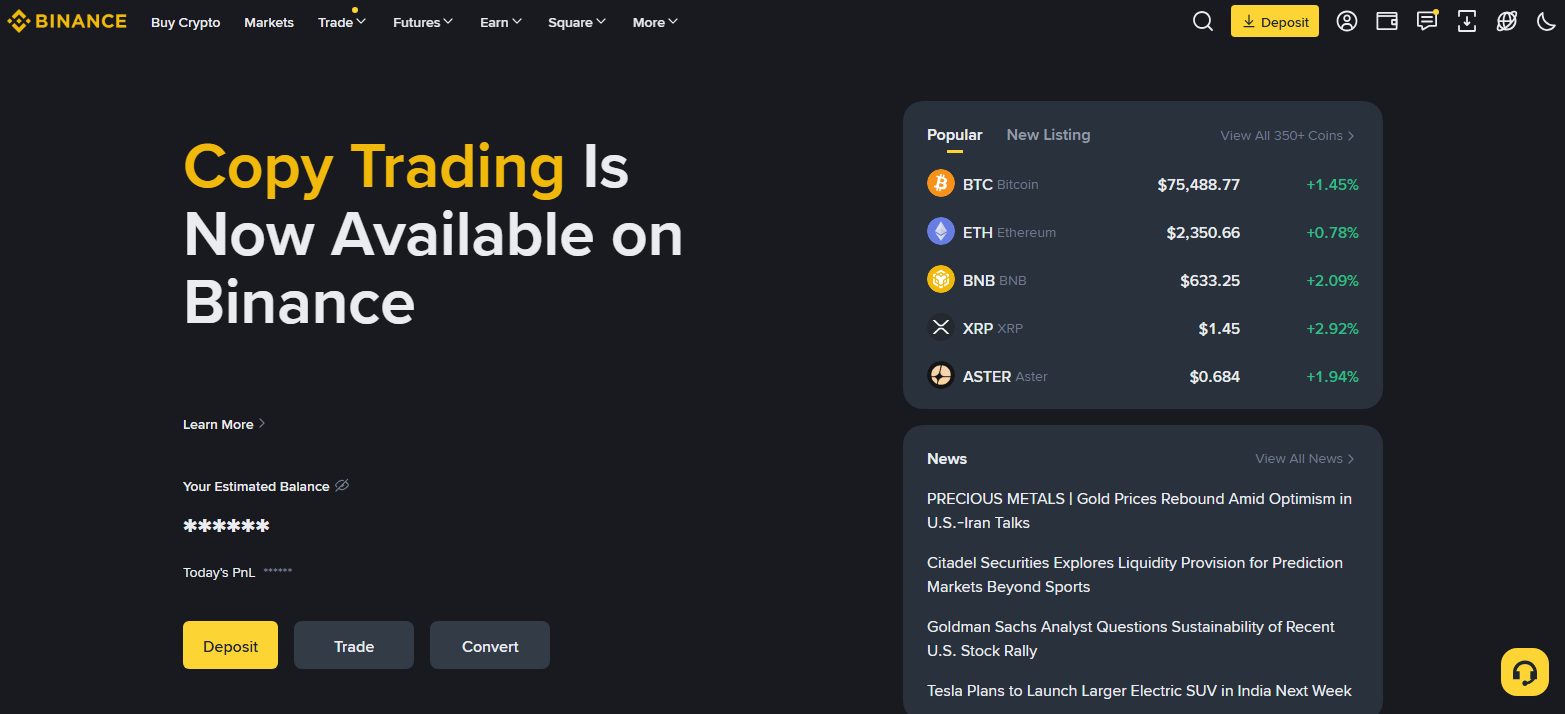
The real advantage is what happens after a coin is listed. Since Binance has more than 300 million users, new tokens can quickly gain stronger market attention through launchpads, campaigns, airdrops, launch calendars, and real-time announcements. This also shows in its average liquidity score of 921 and average bid-ask spread of 0.2%, which keeps trading smoother on active pairs.
Binance also gives many supported coins more use beyond simple spot trading. A large number of assets are available through Earn products, allowing users to hold and earn yield. Futures traders can also use supported assets as collateral through Binance’s multi-collateral system.
Binance Pros and Cons
| 👍 Binance Pros | 👎 Binance Cons |
|---|---|
| ✅ Very strong liquidity across active pairs | ❌ Mandatory KYC |
| ✅ 2,075 spot markets available and 707 futures contracts supported | ❌ US version has limited features |
| ✅ Tight average bid-ask spread | ❌ Some products vary by region |
| ✅ Large asset support across Earn products |
6. LBank – Best Exchange for Low-Cap Altcoins
LBank has been active since 2015 and has built much of its identity around early-stage altcoins, meme coins, and micro-cap assets. The exchange supports 1,029 coins across 1,489 markets, giving traders access to a large pool of smaller projects that may not be available on stricter exchanges.

Its meme coin activity is one of the reasons LBank fits this ranking. The platform focuses heavily on fast-moving token categories and positions itself as a hub for “100x Gem” style assets. It also supports 740 futures contracts, no-KYC trading, leverage of up to 200x, and competitive trading fees.
Liquidity is also decent for this kind of exchange, with an average bid-ask spread of 0.858%. The main concern is trust. LBank has a long operating history and no major hack record, but its trust score of 2.5 still leaves room for caution.
LBank Pros and Cons
| 👍 LBank Pros | 👎 LBank Cons |
|---|---|
| ✅ Strong low-cap altcoin selection | ❌ Trust score remains relatively low |
| ✅ 1,029 coins across 1,489 markets | ❌ Fiat deposits and withdrawals are not supported |
| ✅ No-KYC trading support | |
| ✅ No major hack history since 2015 | |
| ✅ Heavy focus on meme coins |
7. KuCoin – Best Exchange for Altcoin Traders
KuCoin has built much of its reputation around giving retail traders early access to emerging crypto projects without making the platform feel too aggressive or under-screened. The exchange supports 1,031 coins across 1,664 markets, along with 648 futures contracts, making it a strong fit for traders who want spot variety and derivatives access in one place.

Its GemSPACE section is designed around crypto gems, giving users a dedicated area to track smaller projects with higher growth potential. KuCoin also operates an active Pre-Market Trading platform, where users can trade certain tokens before regular spot listings become available.
Liquidity is another reason KuCoin fits this ranking. The exchange has a 0.732% average bid-ask spread, which is strong for an altcoin-heavy platform. With over 40 million users, KuCoin remains a popular venue for traders following Layer-1, DeFi, GameFi, and other Web3 sectors.
KuCoin Pros and Cons
| 👍 KuCoin Pros | 👎 KuCoin Cons |
|---|---|
| ✅ Strong low-cap altcoin selection | ❌ Mandatory KYC |
| ✅ 1,031 coins across 1,664 markets | ❌ Not available in the US |
| ✅ Active Pre-Market Trading platform | |
| ✅ GemSPACE helps users track crypto gems |
8. BingX – Best Exchange for Futures Variety
BingX has changed a lot over the years, moving from a copy trading-focused platform into a larger exchange with strong spot, futures, and AI-backed trading tools. The platform now supports 939 coins across 1,485 markets, along with 776 futures contracts, making it especially relevant for traders who want more derivatives coverage alongside regular spot access.
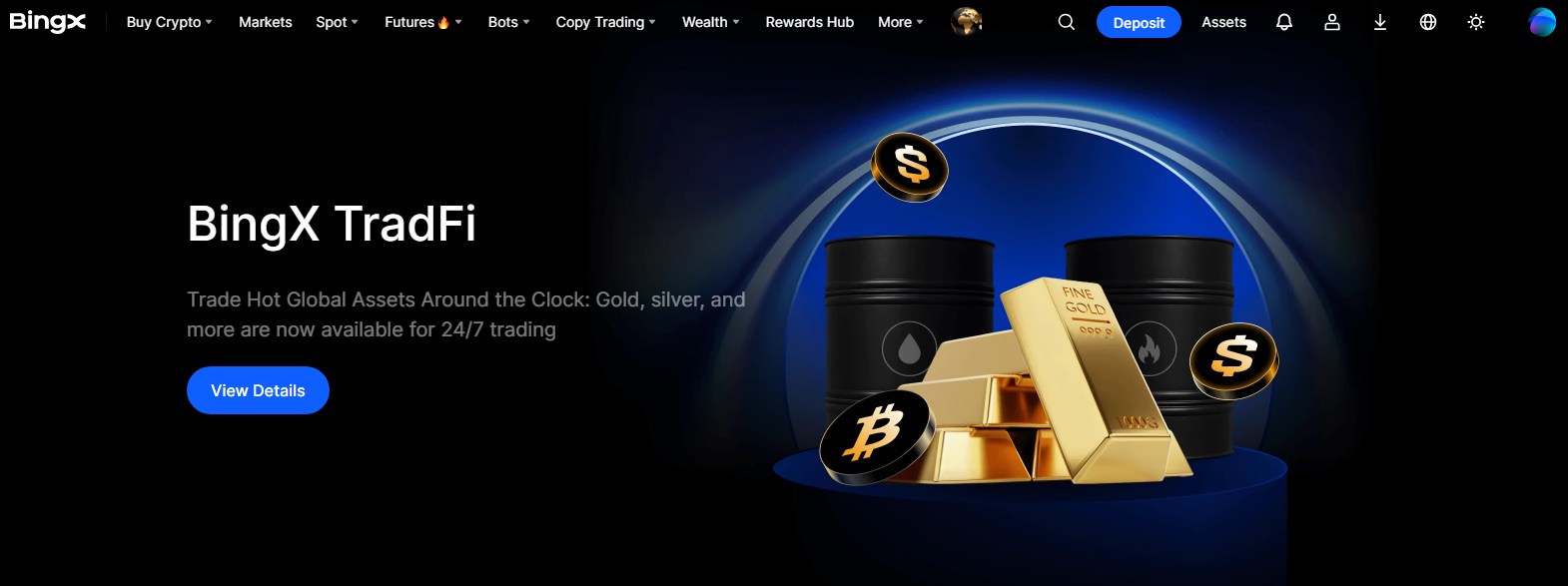
One of the bigger updates around BingX has been its listing activity. According to the CoinGecko report, BingX listed the 2nd highest number of new contracts, adding over 565 contracts within 14 months. The exchange has also updated its KYC policy, making verification mandatory as it moves with growing regulatory requirements.
BingX also stands out through its copy trading ecosystem and BingX AI tools. These features can help users study tokens, review low-cap assets, and get more context before entering a trade, especially when dealing with newer or less familiar coins.
BingX Pros and Cons
| 👍 BingX Pros | 👎 BingX Cons |
|---|---|
| ✅ Strong pace of new contract listings | ❌ Mandatory KYC |
| ✅ 1,031 coins across 1,664 markets | ❌ Suffered a hot-wallet exploit in 2024 |
| ✅ AI tools for low-cap token analysis | |
| ✅ Large copy trading ecosystem for retail traders |
9. CoinEx – Best Simple Exchange for Altcoin Access
CoinEx takes a more straightforward route than many altcoin-heavy exchanges. Instead of packing the platform with too many advanced tools, it focuses on simple spot trading, futures, staking, and mining-related services for users who want easier access to smaller crypto markets.
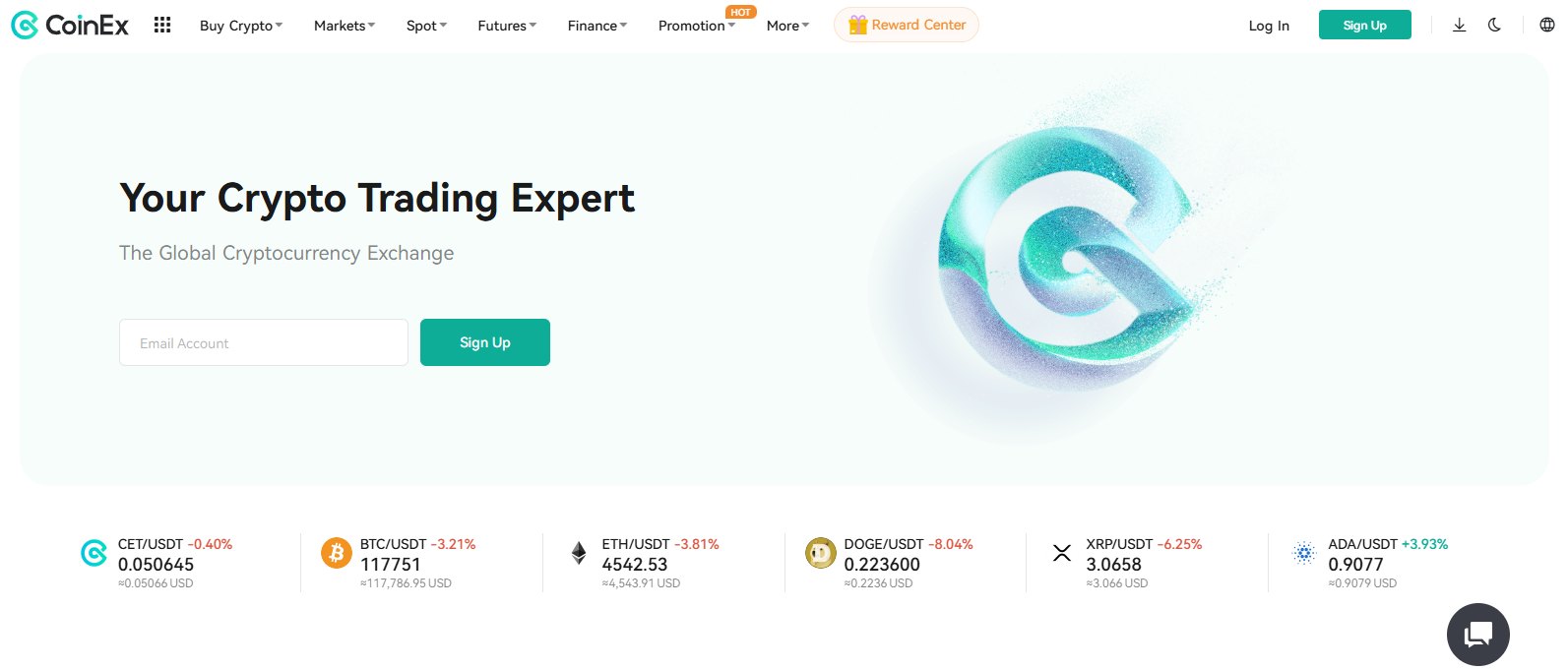
The exchange supports 957 coins across 1,362 markets, which gives it a strong position for traders looking beyond major assets. Its listings cover major blockchains, altcoins, and niche projects that may not appear on stricter platforms early on. This makes CoinEx useful for users who want long-tail token coverage without dealing with an overly complex trading environment.
Liquidity is also fairly balanced for this category, with an average bid-ask spread of 0.767%. CoinEx may not feel as feature-heavy as some larger exchanges, but its simple layout and low-friction trading experience make it practical for altcoin-focused users.
CoinEx Pros and Cons
| 👍 CoinEx Pros | 👎 CoinEx Cons |
|---|---|
| ✅ Good access to niche crypto projects | ❌ FIAT deposits and withdrawals not supported |
| ✅ 957 coins across 1,362 markets | ❌ Limited advanced trading ecosystem |
| ✅ Spot, futures, staking, and mining services | |
| ✅ Low-barrier trading experience |
10. Bitget – Best Exchange for Balanced Trading
Bitget is no longer built around crypto trading alone. Founded in 2018, the exchange has expanded into what it calls a Universal Exchange model, combining crypto markets with tokenized equities, commodities, ETFs, forex-style pairs, AI tools, copy trading, and on-chain access.
For this ranking, Bitget supports 738 coins across 1,206 markets, giving traders enough spot coverage without making the platform feel limited to only major assets. It also operates one of the largest crypto social trading ecosystems, while more than 1 million active users now use its Bitget AI toolset for market research and trade support.
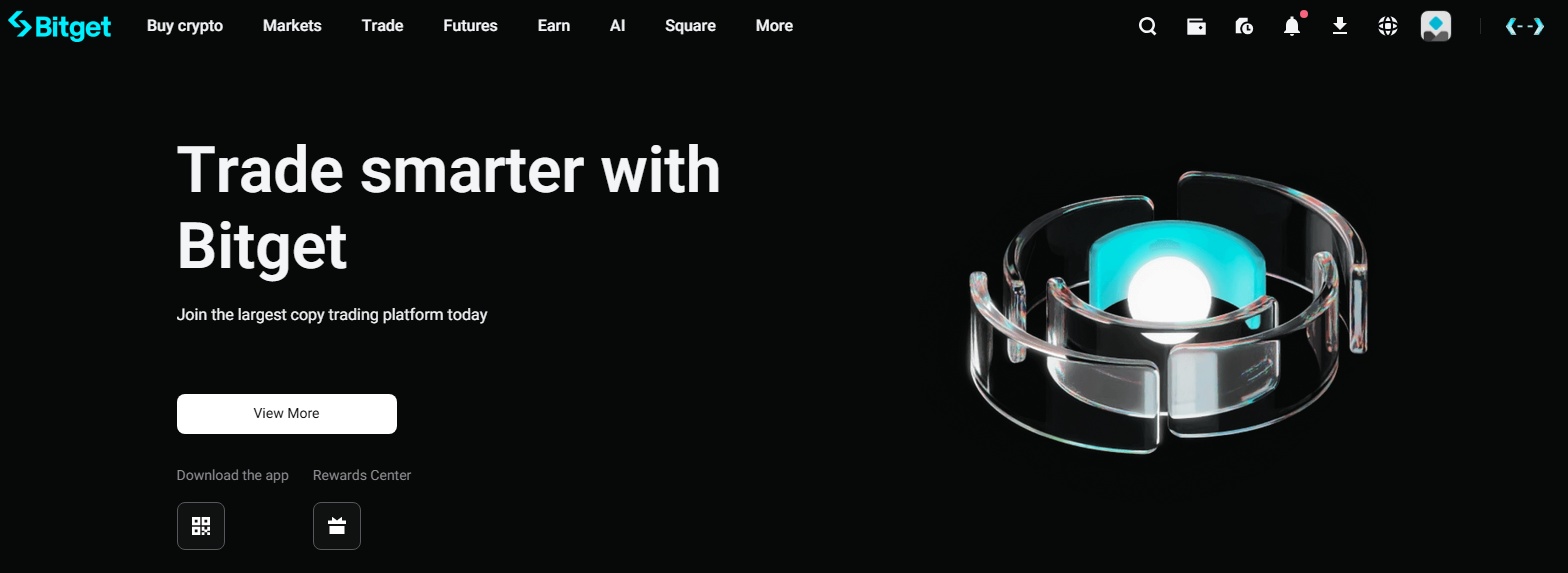
Bitget’s TradFi section adds another layer to the platform, bringing global fiat pairs, tokenized traditional ETFs, and raw commodities into one trading screen. In early 2026, Bitget TradFi daily contract volume reached $4 billion, showing how much the platform has moved beyond standard crypto pairs.
Bitget also has a DEX feature with on-chain token access across 6 networks, giving users more ways to reach assets outside regular exchange listings.
Bitget Pros and Cons
| 👍 Bitget Pros | 👎 Bitget Cons |
|---|---|
| ✅ Balanced crypto and TradFi product mix | ❌ Mandatory KYC |
| ✅ 738 coins across 1,206 markets | |
| ✅ TradFi volume reached $4 billion daily | |
| ✅ DEX supports tokens across 6 networks | |
| ✅ Large social trading user base |
11. Bitunix – Best No-KYC Futures Alternative
Bitunix closes the list as a newer no-KYC exchange with a clear futures-first appeal. The platform supports 695 coins across 1,138 markets, along with 639 futures contracts, making it one of the emerging exchanges with a high number of trading pairs.

The most interesting part is its average bid-ask spread of 0.356%. For a newer exchange, that is a strong number and points toward deeper order books than traders might expect from a platform still building its name. This can matter for users trading new or emerging tokens, where spreads often become a problem.
Bitunix also carries a high trust score, which helps its case as a no-KYC futures alternative. It may not have the same history as older exchanges, but its mix of futures coverage, market count, and tight spreads makes it worth including in this ranking.
Bitunix Pros and Cons
| 👍 Biutnix Pros | 👎 Bitunix Cons |
|---|---|
| ✅ No-KYC futures trading access | ❌ Shorter operating history |
| ✅ 639 futures contracts available | |
| ✅ 1,138 trading markets supported | |
| ✅ Tight 0.356% average bid-ask spread | |
| ✅ Strong liquidity for a newer exchange | |
| ✅ High trust score |
Why Do Crypto Exchanges Support Different Numbers of Coins and Tokens?
Crypto exchanges support different numbers of coins and tokens because every platform follows a different listing strategy. Some exchanges move quickly to list new altcoins, meme coins, and early-stage projects, while others take a slower approach to maintain liquidity, compliance, and a more security-focused trading environment.
Listing standards are one of the biggest reasons. Exchanges with faster listing processes usually offer more assets, but they may also include newer projects with less trading history. On the other hand, platforms with stricter reviews may support fewer coins but focus more on liquidity, project quality, and regulatory requirements.
Regional rules also matter. An exchange may support a token in one market but restrict it in another due to local compliance requirements. Liquidity is another factor, because every new coin needs enough market depth to support healthier trading conditions.
Other Ways Exchanges Give Access to New Coins
Exchanges often give users access to new coins through separate sections before adding them to the main spot or futures market. This can include innovation zones, Alpha sections, launchpads, Startup platforms, or pre-market trading pages.
The reason is simple: new tokens usually come with higher volatility, shorter trading history, and less predictable liquidity. By placing them in separate areas, exchanges can offer early access without mixing every new asset into their regular markets right away.
Some exchanges also use Web3 wallets or on-chain trading tools, allowing users to connect with DEX liquidity from inside the exchange ecosystem. These routes can be useful, but they are not always the same as a standard spot listing. Users should check where the token is listed, how liquid it is, and what trading conditions apply.
Should You Use the Exchange With the Most Coins?
No, you should not choose an exchange only because it has the highest number of coins. Coin count is useful, but it should be one part of your decision, not the whole reason.
Here are the main factors to check:
- Liquidity: Higher liquidity makes it easier to enter and exit trades without heavy slippage.
- Trading fees: Spot and futures fees can reduce your returns, especially if you trade often.
- Security: Look at proof of reserves, account protection, and the exchange’s security history.
- KYC rules: Some platforms require full verification, while others offer limited no-KYC access.
- New token access: Some exchanges list emerging tokens faster than others.
- Futures support: Active traders may need more contracts, collateral options, and leverage tools.
- Extra features: Earn products, copy trading, DEX access, and pre-market tools can make a platform more useful.
So, the exchange with the most coins may be a good choice for variety, but the best exchange depends on how you trade.
Final Verdict
The best crypto exchanges with most coins and trading pairs are not always the same for every trader. A higher coin count is useful if you like altcoins, newer tokens, and smaller market opportunities. But if you trade actively, liquidity, spreads, fees, and futures depth matter just as much as the number of supported assets.
Some traders need fast access to new listings. Others care more about stable order books, lower costs, simple navigation, or extra tools like Earn products, copy trading, DEX access, and collateral support. Your trading style should shape the decision. Spot buyers, futures traders, micro-cap hunters, and long-term holders will not always need the same platform.
So, the strongest choice is the exchange that matches your risk level, market preference, and daily trading behavior.
FAQs
1. Which crypto exchange has the most coins?
MEXC has the most coins in this ranking, with 1,882 supported assets and 3,073 markets. It also supports 928 futures contracts, making it one of the strongest Crypto Exchanges with Most Coins and Trading Pairs.
2. Which exchange is best for no-KYC altcoin trading?
BitMart, WEEX, LBank, CoinEx, and Bitunix are strong no-KYC options in this ranking. The better choice depends on whether you care more about spot coins, futures contracts, liquidity, or access to smaller altcoins.
3. Are exchanges with more coins always better?
No. More coins give traders more options, but liquidity, fees, spreads, security, KYC rules, and futures depth also matter. A large coin count is useful, but it should not be the only factor.
4. What should I check before using an exchange with many coins?
Check the number of supported assets, markets, futures contracts, liquidity score, bid-ask spread, fees, KYC policy, withdrawal limits, and whether the coins you want are listed in regular spot markets or separate sections.
5. Which exchange is best for new and low-cap coins?
MEXC, BitMart, LBank, KuCoin, and CoinEx are strong options for new and low-cap coins. These exchanges tend to support more altcoins, micro-cap assets, or early-stage token access.