



- •Choosing the right crypto exchange means focusing on safety, execution behavior, fees, and access rules that appear during real trading, not rankings or promotional claims.
- •Your trading style defines what matters most, since spot, futures, scalping, and swing trading rely on different levels of liquidity, order control, and platform stability.
- •An exchange that matches your pace and behaves predictably during volatility helps reduce errors and supports long-term discipline, which matters more than extra features.
Most people select a crypto exchange based on what ranks first or what they see repeated online, but that choice often feels different once real money moves through the platform. The moment you place orders, deal with slippage, or try to withdraw funds, the exchange stops being a website and becomes part of your daily decision process. This is where mismatches show up. Some platforms are secure yet slow for active trading. Others feel smooth at first but create friction once volume grows.
To select a crypto exchange properly, you need to look beyond surface features and understand how safety, execution, fees, and trading style interact. This guide focuses on those mechanics so you can choose a setup that supports how you actually trade, not how platforms present themselves.
Before You Trade: Safety, Regulation, and Access Matter First
Before anything else, you need clarity on whether the exchange can support you without interruptions. Regulation, custody structure, and operational history form the baseline. A platform may hold licenses, yet those approvals only apply to specific services, regions, or products. You should check where the exchange is legally allowed to operate, how it handles client assets, and whether it has a history of withdrawals remaining stable during periods of stress.
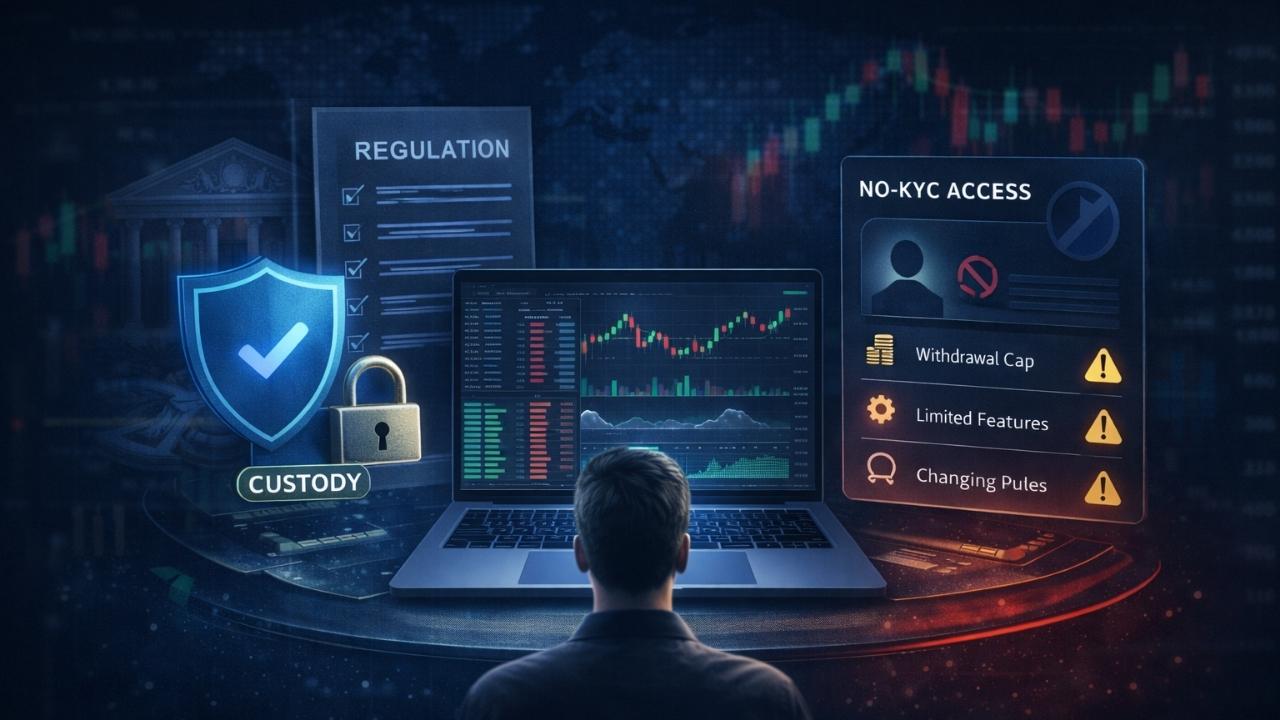
Privacy and no-KYC access also sit inside this layer. On many centralized platforms, no-KYC accounts allow basic trading but come with withdrawal caps, limited features, and changing rules. This works for small, controlled activity, but once size increases or patterns change, limits appear quickly. Policy adjustments can also arrive without much notice, especially when regulatory pressure rises. No-KYC access can be useful as a tool, but it rarely replaces a fully verified account if you plan to trade consistently.
Why Strategy Fit Matters More Than Exchange Features
Once safety is clear, the real question becomes whether the exchange fits how you trade. No single platform works well for everyone. Beginners usually want clarity and predictable interfaces. Active traders look for depth, speed, and consistency. More advanced users focus on execution control and stability during volatile periods.
If the interface feels confusing, slow, or inconsistent, mistakes increase even when the strategy is sound. Over time, traders gravitate toward platforms that behave the same way every session, especially when markets move fast. This is why professional traders often test platforms quietly before committing size, because comfort and predictability affect performance more than extra features that look good on paper.
How Your Trading Style Shapes Exchange Requirements
Your trading style decides what matters most from an exchange, and skipping this step often leads to poor platform choices.
Spot Trading and Futures Trading Dynamics
Spot trading gives you direct ownership and cleaner price movement. There is no margin pressure, and positions cannot disappear due to liquidation. This suits traders who prefer slower decisions and simpler risk. Futures trading operates differently. You are trading contracts, not assets, and leverage changes how price movement feels. Funding rates, liquidation rules, and margin systems become part of every decision. Lower entry fees may look appealing, but the environment demands quicker reactions and tighter control. If you trade futures actively, the exchange’s risk engine, funding rhythm, and execution stability matter as much as the chart itself.
Scalping and Swing Trading Considerations
Scalping and swing trading place very different demands on an exchange. Scalping relies on fast execution, tight spreads, and minimal slippage because small price movements define results. Fees and execution drift compound quickly. This is why traders compare different Day-trading exchanges before settling on one.

Swing trading operates on a slower rhythm. Positions stay open longer, and execution quality matters more during entry and exit than during every minor move. Traders who follow this style often look for stable environments and tend to compare Swing trading exchanges that support patience rather than speed alone.
Execution Quality, Order Control, and Market Depth
Liquidity and execution quality define how an exchange behaves when size enters the market. Tight spreads and deep order books help orders fill closer to expected prices, especially during active sessions. Thin liquidity causes slippage, even when posted fees look attractive.
Order types become important at this stage. Basic market and limit orders work for smaller trades, but once size grows, they reveal limitations. Professional traders pay close attention to advanced order behavior because it reduces market impact. Hidden or iceberg-style logic allows larger orders to sit within the book without signaling intent or widening spreads, which protects execution quality.
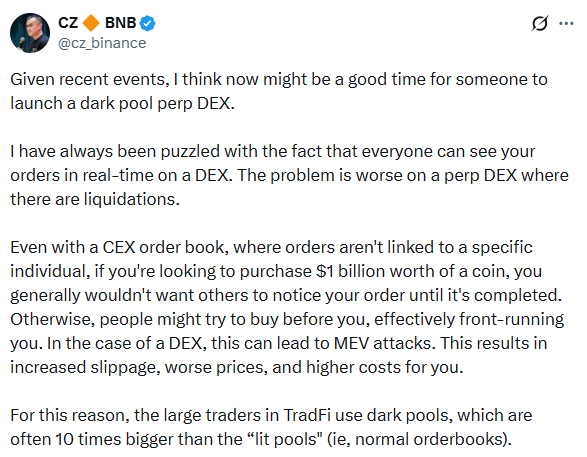
Interest in certain perpetual platforms increased after public discussion by Changpeng Zhao on X around hidden execution mechanics, highlighting that serious traders care deeply about how orders interact with liquidity, not just how fast they fill. This level of control matters far more than it appears on a pricing page.
Fees, Spreads, and Real Trading Cost
Fees shape outcomes quietly. Maker and taker fees matter, but they are only one part of the cost. Funding fees in perpetual markets add up when positions stay open. Spread and slippage often cost more than the fee itself, especially during volatile periods.
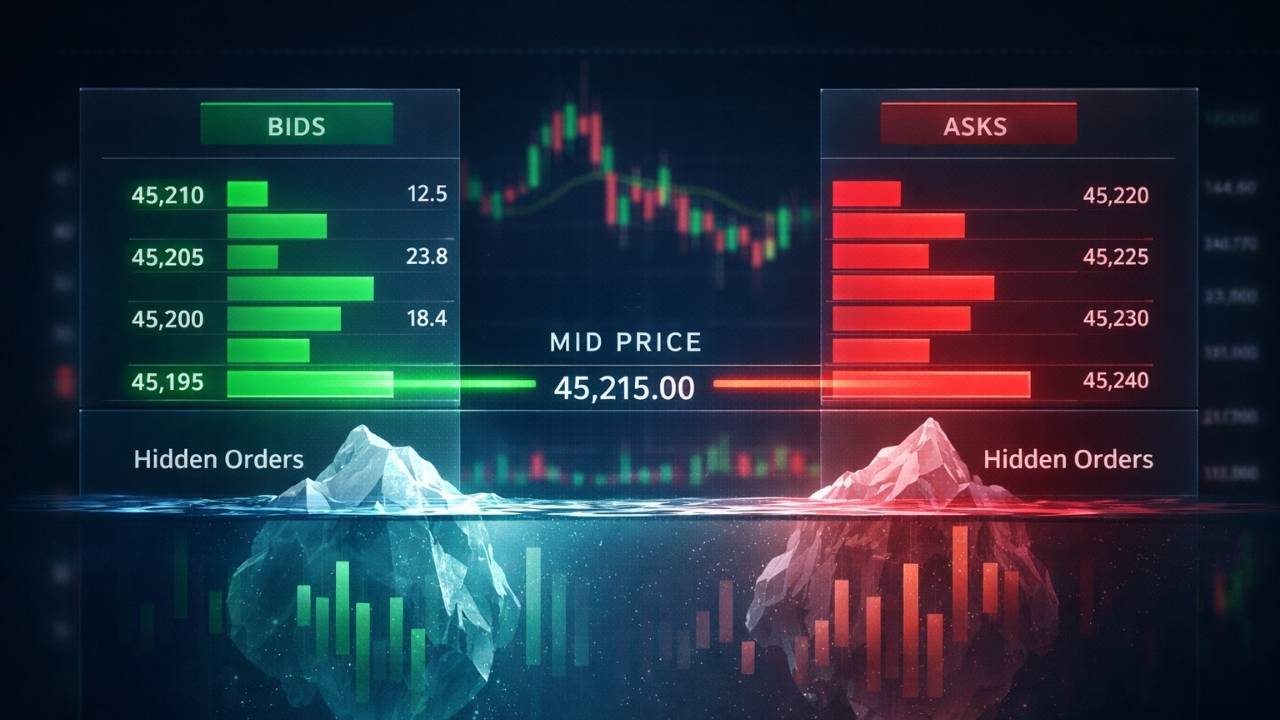
Some platforms advertise 0% trading fees, yet wider spreads and unstable books increase the actual cost of execution. Others charge slightly higher fees but deliver tighter spreads and steadier fills, which feels cheaper in practice. Traders who operate frequently often compare Low fees exchanges alongside execution quality instead of relying on the headline number alone.
Practical Framework to Select a Crypto Exchange
When you select a crypto exchange, the goal is not to find the most popular platform, but one that supports your pace and decision process. Start by removing exchanges that conflict with your region, funding needs, or access limits. Then narrow options based on how well the platform supports your trading style, whether that involves spot exposure, futures leverage, or access to a Perp DEX for decentralized execution.
Reviews help validate your thinking, but they should confirm fit rather than dictate choice. Testing with small size shows more than any comparison table, especially when you observe how the platform behaves during active market hours or sudden volatility.
Choosing an Exchange That Supports Consistent Execution
Selecting a crypto exchange is not about finding perfection. It is about finding alignment. A platform that supports your rhythm, handles execution cleanly, and stays predictable under pressure helps you make better decisions without forcing adjustments mid-trade. Whether you focus on Altcoin exchanges, seek Best leveraged trading environments, or prefer stable spot markets, the structure must work with you, not against you. When safety, execution, and trading style align, consistency becomes easier, and the exchange fades into the background, where it should be.
FAQs
1. Is regulation the most important factor when choosing a crypto exchange?
Regulation matters, but only when it covers the services you use. A license does not automatically protect every product or region offered by the exchange.
2. Do low trading fees always mean lower costs?
No. Low fees can be offset by wider spreads, slippage, or unstable execution. The real cost shows up over repeated trades, not on a single order.
3. Should I choose spot trading or futures trading first?
Spot trading suits slower decision-making and simpler risk. Futures trading requires stronger control, faster reactions, and comfort with leverage and liquidation rules.
4. Are no-KYC crypto exchanges safe to use?
They can work for small, controlled activity, but they often come with withdrawal limits, restricted features, and changing policies that affect consistency over time.
5. How does trading style affect exchange choice?
Each trading style stresses the platform differently. Scalping needs fast execution, tight spreads, and stable order books. Swing trading values consistency and calm behavior. Spot focuses on security and clean pricing, while futures depend heavily on risk controls, funding, and liquidation systems.